
Livraison le jour même ou le lendemain

Qualité garantie

Débloquez vos offres de bienvenue: Livraison GRATUITE | Jusqu'à -80 % | 30 jours d'essai gratuits à JoyPlus
Téléchargez l'application
A slow-charging cable, a fraying connector, a length that's just too short... Finding the right charging accessory for your laptop, tablet, or smartphone can quickly become a headache. While the switch to USB-C has standardized connections, not all cables are created equal. A 60W USB-C cable is now the essential standard for efficiently powering most modern devices, from the MacBook Air and iPhone 15 to compatible tablets and laptops.
This guide is here to help you cut through the noise. As the Head of Product Recommendations at Joybuy, my job is to give you practical advice for choosing a reliable, high-performance cable—without drowning you in technical jargon.
Before diving into our top picks, here are the key factors to consider to make the right choice.
The 60W (watt) rating corresponds to the maximum energy the cable can deliver. This is the ideal power level for most compact laptops, tablets, and for the fast charging of smartphones. To take full advantage of it, make sure your charger and device are compatible with Power Delivery (PD) technology. This smart protocol allows the charger to communicate with the device to provide the precise amount of power needed, ensuring a charge that is both fast and safe. A good Power Delivery cable is therefore the key to getting the most out of your USB-C laptop charger.
The cable that comes in the box often ends up damaged, especially around the connectors. For a long-lasting purchase, opt for a reinforced USB-C cable. The two main types are:
The standard one-meter length is often too restrictive, especially if the power outlet is far from your desk or sofa. A 2m USB-C cable offers much more appreciated freedom of movement, whether you're working, gaming, or simply using your device while it charges.
We've selected a few gems that stand out for their performance, durability, and excellent value for money.
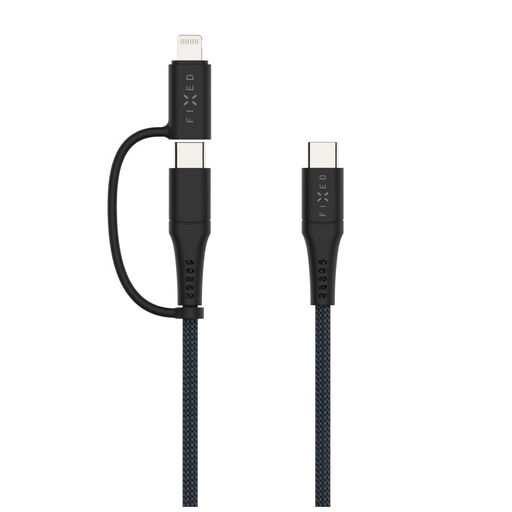
Why it stands out: This is the Swiss Army knife of charging. Thanks to its integrated, MFi-certified (Made for iPhone/iPad) Lightning adapter, it can charge your older Apple devices just as easily as your new USB-C gear.
Advantages:
Who it's for: Apple ecosystem enthusiasts who own both Lightning devices (older iPhones, AirPods) and USB-C devices (MacBook, iPad, iPhone 15) and want a single cable for all their hardware.
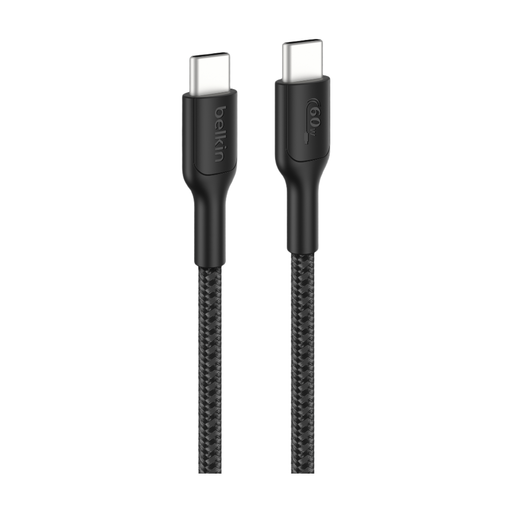
Why it stands out: It combines unbeatable durability with an eco-friendly commitment. Its jacket is made from 95% recycled materials and is manufacturer-tested to withstand over 350,000 bends.
Advantages:
Who it's for: Gamers, mobile professionals, and anyone looking for a reinforced USB-C cable that can handle the rigors of daily life while making a positive impact on the planet.
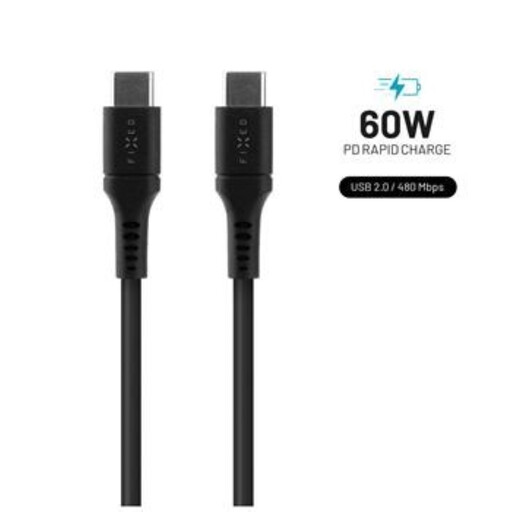
Why it stands out: Its liquid silicone material is distinguished by its unique feel: incomparably soft, remarkably flexible, and completely tangle-free.
Advantages:
Who it's for: Those who appreciate premium finishes and can't stand tangled messes. It's perfect for stationary use, on a desk or a nightstand.
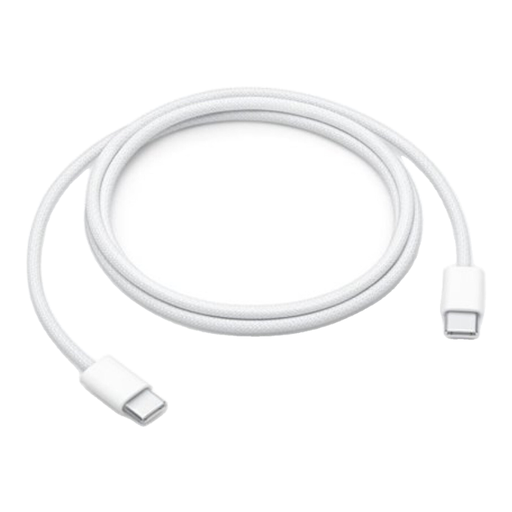
Why it stands out: It's the peace-of-mind choice for Apple purists, guaranteeing flawless compatibility and integration with the brand's entire ecosystem.
Advantages:
Who it's for: Die-hard fans of the brand who prefer official accessories for complete peace of mind and perfect compatibility with their devices.
This selection is just a glimpse of the best options available right now, but your needs might be different. If you're looking for a different length, a specific color, or other features, other solutions exist.
? Explore our full range of 60W USB cables to find the perfect match.
1. Can a 60W USB-C cable damage a device that requires less power? Absolutely not. Thanks to the Power Delivery (PD) protocol, the charger and cable communicate with your device (smartphone, headphones, etc.) to deliver only the power it needs, never exceeding it. Using a 60W cable is therefore completely safe for all your USB-C devices.
2. What's the difference between a 60W and a 100W cable? The difference lies in the maximum power they can deliver. A 60W cable is perfect for most laptops (like the 13" MacBook Air/Pro), tablets, and smartphones. A 100W cable (or higher) is required for more power-hungry laptops, such as the 15" or 16" MacBook Pro. Using a 60W cable on such a power-hungry beast will still charge it, but much more slowly.
3. Why choose a braided USB-C cable? Simply put, for its durability. The braided nylon or fabric sheath provides much better protection for the internal wires against daily abuse: repeated bends, friction, twists... It's a reinforced USB-C cable that will last much longer than a standard plastic (PVC) sheathed cable, making it a more cost-effective choice in the long run.