
Livraison le jour même ou le lendemain

Qualité garantie

Débloquez vos offres de bienvenue: Livraison GRATUITE | Jusqu'à -80 % | 30 jours d'essai gratuits à JoyPlus
Téléchargez l'application
60W electronic products cover a wide range of needs: listening to music, charging a phone in the car, powering a laptop or updating a room’s lighting. But the “60W” label alone isn’t enough to compare two products. It could refer to audio power, maximum charging output or electrical consumption.
Before placing an order, three common mistakes keep cropping up:
For a 60W portable Bluetooth speaker, this figure is the output power stated by the manufacturer. It needs to be considered alongside several other factors:
The Kodak PWS-2248, for example, combines a stated 60W output with two 70 mm speakers, three equalisation modes and TWS functionality for pairing two compatible speakers. Its stated battery life of 8 to 10 hours varies depending on listening volume.
For a 60W dimmable LED ceiling light, the priorities shift: colour temperature, diameter, brightness adjustment and control method matter more than electrical power alone. Depending on the model, a range of 2,800 to 6,500 K lets you switch from warm light to a cooler white.
A PD QC fast charger doesn’t behave the same way with every device. Before buying, check:
The Baseus PrimeTrip VR2 Max accepts a 12–24 V car power supply. It has three USB-C ports, one USB-A port and built-in retractable cables. Its stated maximum output of 60W must, however, be shared between connected devices within the limits set by the manufacturer.
A 60W USB-C cable also needs to be paired with a charger and a device that can handle that power. The FIXED liquid silicone model is 2 m long, supports charging up to 60W and offers a maximum data transfer rate of 480 Mbps. It’s fine for everyday charging and syncing, but not for the speeds of USB 3.x cables.
With an Apple device, a 3 m MFi-certified USB-C to Lightning cable can help with compatibility. The FIXED 3 m reference supports PD charging up to 60W with the included Lightning adapter. Its transfer speed is still limited to 480 Mbps, though.
IPX ratings indicate the level of water protection, but they don’t tell you anything about dust resistance. A waterproof IPX5 IPX6 speaker should therefore be used within the limits set out in its specifications:
Also check that the charging port is properly protected, and avoid charging the speaker in a damp environment.
For lighting, measure your ceiling before choosing a 50 cm model. An RGB LED ceiling light with remote control also needs a compatible electrical installation and a location where the control signal can be received properly. A starry-sky effect ceiling light adds a decorative touch, but the result depends on ceiling height, wall colour and brightness settings.
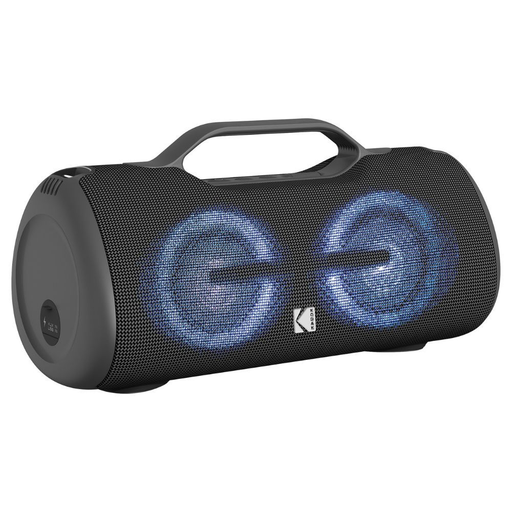
Why this choice suits this profile: Its portable design, Bluetooth 5.0 connection and stated 8–10 hour battery life work well at home, on outings and for small gatherings.
The IPX5 rating is clearly stated, while the USB and auxiliary ports mean you’re not reliant solely on Bluetooth.
Stated 60W output, three equalisation modes, DSP and power bank function.
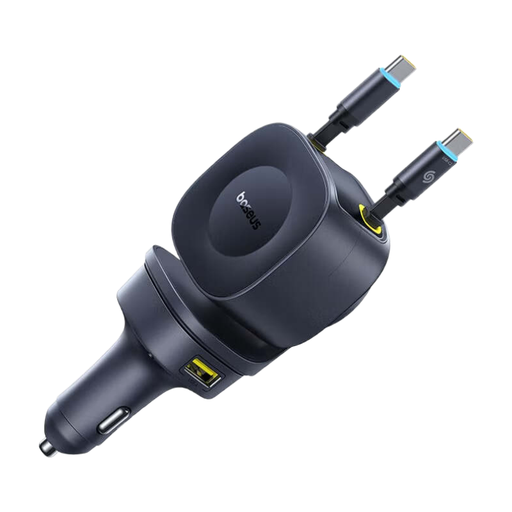
Why this choice suits this profile: Drivers who use multiple devices can charge phones, tablets and accessories from a single compact unit.
The 12–24 V compatibility and protections against overvoltage, overheating and short circuits are clearly specified.
Three USB-C ports, one USB-A port, retractable cables and support for PD and QC protocols.
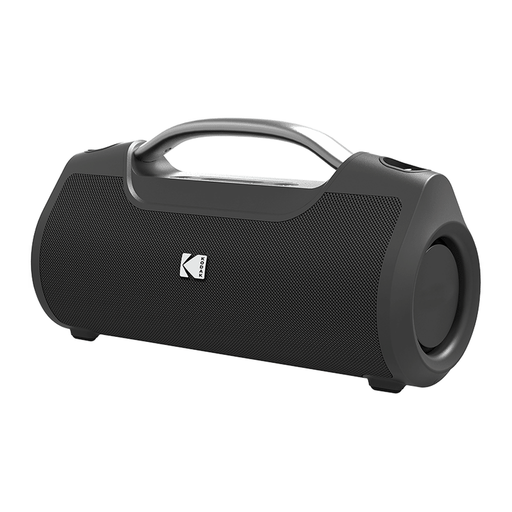
Why this choice suits this profile: Its design with a handle and IPX6 certification make it ideal for gardens, picnics and trips where resistance to water splashes is a real bonus.
IPX6 does not mean the speaker can be submerged – this usage limit must be strictly observed.
Stated 60W output, 7.4 V/3,600 mAh battery, TWS and dimensions of 310 × 152 × 118 mm.
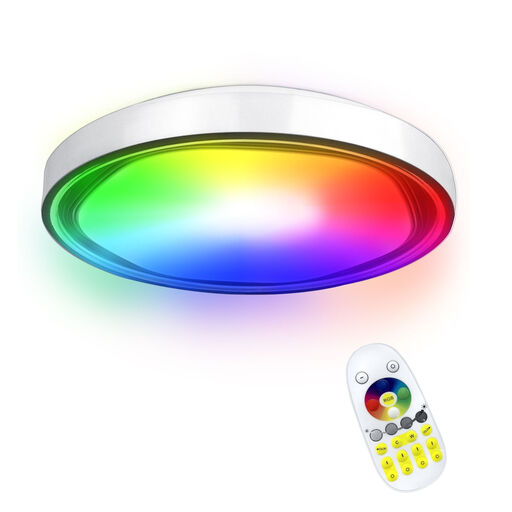
Why this choice suits this profile: Those who want to adjust the mood of a living room or bedroom can change the colour temperature and brightness using the remote control.
The 50 cm diameter, 2,800 to 6,500 K range and dimmable function need to be considered alongside the room’s dimensions and use.
Stated 60W output, remote control, RGB adjustment and variable colour temperature.
We’ve put together a comprehensive, real-time updated selection of products that meet these demanding criteria and European safety regulations.
No. The charging speed depends on the power your phone can accept, the protocol used – particularly PD or QC – and the cable. If your smartphone limits charging to 25W, a 60W charger generally won’t exceed that figure.
Both ratings relate to water resistance, but IPX6 protects against more powerful jets than IPX5. Neither rating means the speaker can be submerged. The ports and charging must be kept away from moisture.
Yes, provided the laptop accepts power via USB-C and its consumption doesn’t exceed 60W. Also check the charger, the PD protocol and the cable’s data transfer capabilities. A model limited to 480 Mbps is fine for everyday syncing, but may slow down large file transfers.