
Livraison le jour même ou le lendemain

Qualité garantie

Débloquez vos offres de bienvenue: Livraison GRATUITE | Jusqu'à -80 % | 30 jours d'essai gratuits à JoyPlus
Téléchargez l'application
At first glance, choosing a 60 cm extractor hood seems simple. Yet, this is a purchase where the devil is in the details. The wrong choice can quickly turn your cooking joy into a daily nightmare. While many models promise the world, real-world use often reveals deal-breaking flaws. To help you avoid unpleasant surprises, we've broken down the common pitfalls and the essential criteria to check.
Before you pull out your credit card, watch out for these three classic mistakes:
You don't need to be an engineer to make the right choice. You just need to focus on a few features that make all the difference in performance and comfort for your 60 cm kitchen hood.
The airflow rate, expressed in cubic metres per hour (m?/h), indicates the volume of air the hood can circulate in one hour. There's no need to aim for the highest number: the ideal power depends primarily on the size of your kitchen.
This is THE decisive factor, as it depends entirely on your home's layout.
The good news: most modern hoods are hybrid and compatible with both modes.
Acoustic comfort is non-negotiable. A hood's noise level, expressed in decibels (dB), is usually measured at its maximum speed.
This data is often relegated to the bottom of spec sheets, but never overlook it: a quiet hood is a life-changer.
To move from theory to practice, here are three models that stand out for their excellent value and suitability for different needs.
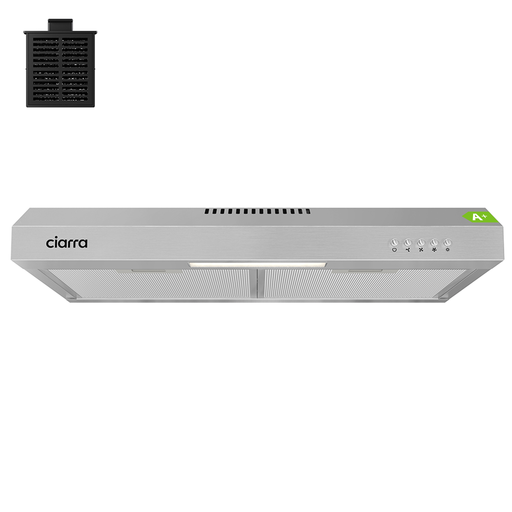
Why this model? Perfect for small kitchens, studios, and kitchenettes. Its visor hood (or canopy) design fits discreetly under a wall unit for maximum space-saving. It's the ultimate smart, budget-friendly solution for a first appliance or a low-cost renovation.
Its versatility (extraction or recirculation) makes it compatible with 99% of homes. It's impossible to make a mistake with this purchase.
Its aluminium grease filter is dishwasher-safe. A real bonus for simplified maintenance and long-term savings.
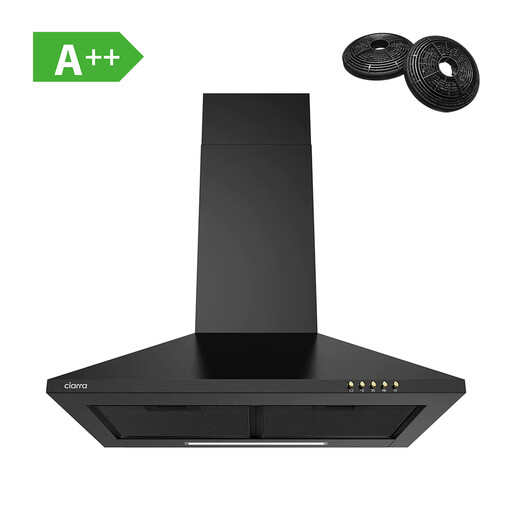
Why this model? For those who value style as much as function. With its all-black look, right down to the filter, and its bronze-coloured rotary control, this wall-mounted hood becomes a true decorative piece. It's perfect for enhancing a contemporary kitchen and creating a clean, minimalist aesthetic.
It strikes the right balance: an airflow rate of 370 m?/h, sufficient for most uses, and a controlled noise level of 63 dB. An excellent performance/silence compromise that avoids the trap of a stylish but deafening hood.
Its design is its master stroke. The integral black hood look, including the filter, is still rare on the market and ensures a flawless finish in today's kitchens.
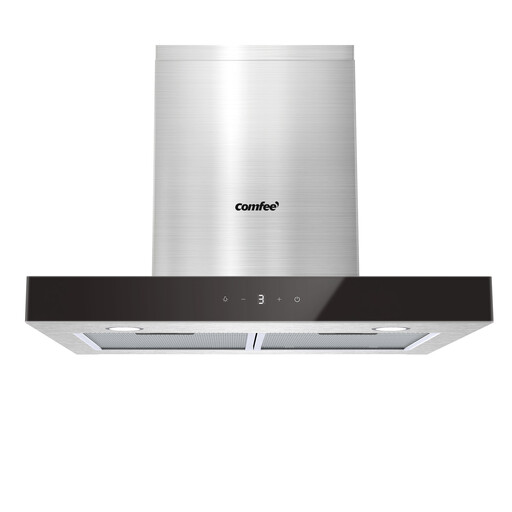
Why this model? Built for passionate cooks and large families. Its 650 m?/h airflow rate makes short work of even the most stubborn smoke and steam, even in a large open-plan kitchen. The bonus: gesture control, which is ultra-practical and hygienic when your hands are dirty.
Despite its firepower, its BLDC motor keeps the noise down to 60 dB, avoiding the "jet engine" effect. For maintenance, its 5-layer aluminium filter is dishwasher-safe, putting an end to the cleaning chore and hidden costs.
It's the winning combination: powerful extraction, controlled energy consumption (Class A+++), and modern features like gesture control. An investment in performance and longevity.
Explore our full selection of cooker hoods that meet our selection criteria and European safety standards.
On a recirculation hood, the charcoal filter is the key component. Its lifespan varies depending on your usage, but generally, it needs replacing every 3 to 6 months. Once saturated, it no longer absorbs odours, and your hood becomes useless. Fortunately, some models include a saturation indicator to make your life easier.
No, and this is a common mistake. An overpowered hood in a small kitchen is counterproductive: it creates unpleasant draughts and wastes energy for no reason. It's better to match the power to the volume. The simple formula to remember is: surface area (m?) × ceiling height (m) × 10 = minimum required airflow rate (m?/h).
Yes, if you're a bit of a DIY enthusiast. Installing a recirculation model is fairly simple and doesn't require major work. For an extraction hood, it's another story: creating the duct and handling the electrical connection are more complex. To ensure a safe installation that complies with standards, hiring a professional is often the best solution.