Households preparing an everyday meal
You want to decide how much to cook for your planned dish, then choose between spaghetti, short pasta or another shape to suit the recipe. A 500 g pack doesn’t, by itself, represent a fixed number of portions.


To choose a 500 g pack of pasta for collection, start with the dish you’re planning and how much you intend to cook, then pick a suitable shape. Check the ingredients and allergens for the exact product; before placing your order, make sure it’s available from your selected collection store.
You want to decide how much to cook for your planned dish, then choose between spaghetti, short pasta or another shape to suit the recipe. A 500 g pack doesn’t, by itself, represent a fixed number of portions.
You’re choosing between brands and supermarket own-label products. Select your store before choosing a product, as the range available depends on your chosen collection service.
Check the ingredients and allergens for the exact product, particularly to distinguish wheat-based pasta from egg varieties, and take into account any relevant ‘may contain’ information for your circumstances.
First decide how much you want to cook and what you’re making. Then check the pack’s ingredients and whether it’s available from the collection store where you’re preparing your order.
| Criteria | What to check | Who is this for? |
|---|---|---|
| Quantity for the meal | The 500 g net weight and how much you want to cook for the dish and number of people. | If I’m planning a main course or side dish, I want to know how much of the pack to use. Around 25% of shoppers put this meal-planning consideration first. |
| Availability for collection | The exact product and its 500 g size at the selected store, before placing the order. | When I’m shopping through a particular collection service, I want to be able to find the pack I chose when I place my order; this is the top priority for around 25% of shoppers. |
| Ingredients and allergens | The ingredients list, whether it contains wheat or eggs, and any relevant ‘may contain’ information for the people eating it. | If someone eating the meal needs to avoid an ingredient, I need to check the exact variety rather than relying on its shape or brand. This is the top priority for around 25% of shoppers. |
| Shape and cooking time | The shape required for the recipe and the cooking time shown on the pack. | For a pasta bake, pasta salad or a quick meal, I’m looking for a suitable shape and cooking time. This is the main consideration for around 25% of shoppers. |
Wholewheat pasta made from wheat is still unsuitable if you need to avoid this ingredient. ‘Wholewheat’ describes the type of grain; it doesn’t mean the pasta is wheat-free.
For every product you’re considering, read the ingredients and allergen information, including any ‘may contain’ statements that matter to the people eating it.
Spaghetti, short pasta, egg varieties and quick-cook products won’t necessarily suit the same dish or dietary requirements.
Check the shape, ingredients and cooking time before swapping the planned pack for a different product.
Your selected store determines which products are shown for that collection service. E.Leclerc, for example, advises shoppers to check whether its Turini products are available through their local collection service.
Choose your store, then confirm the exact product and 500 g size in your order.
These brands offer a useful guide to shapes and recipes in 500 g packs. Always choose the exact product to suit your dish and check its ingredients.
Carrefour lists Barilla No. 5 spaghetti in a 500 g pack.
The brand offers 500 g spaghetti packs for everyday meals.
Lustucru’s 500 g short spaghetti with fresh eggs is an option for recipes that specifically call for egg pasta.
Carrefour lists Classic' spaghetti in a 500 g pack.
Auchan’s pasta range includes several 500 g shapes, including penne rigate.
E.Leclerc’s Turini range includes 500 g packs of penne rigate and quick-cook fusilli.
These 500 g packs let you explore classic shapes, a wholewheat variety and a quick-cook option. Choose according to your recipe and the ingredients; if you’re shopping for collection, check the range at your selected store separately.
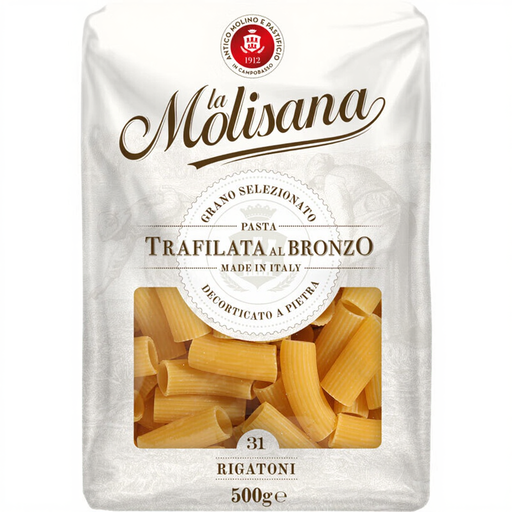 Image unavailable
Consider this if your recipe calls for rigatoni, a short pasta shape. The pack contains 500 g; check the ingredients and allergens if anyone eating it has dietary requirements.
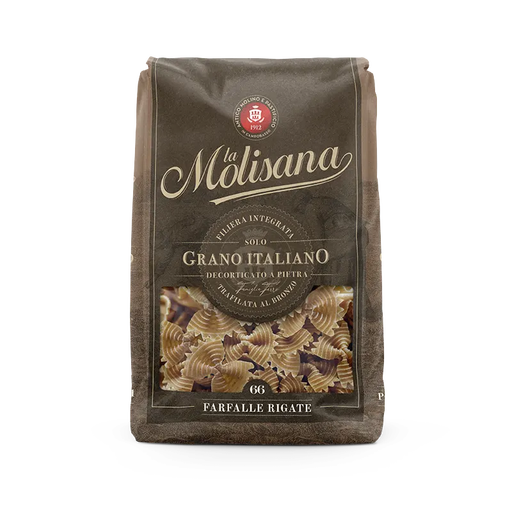 Image unavailable
Worth considering for a recipe that calls for wholewheat farfalle. The pack contains 500 g; ‘wholewheat’ doesn’t mean ‘gluten-free’, so it’s important to check the ingredients.
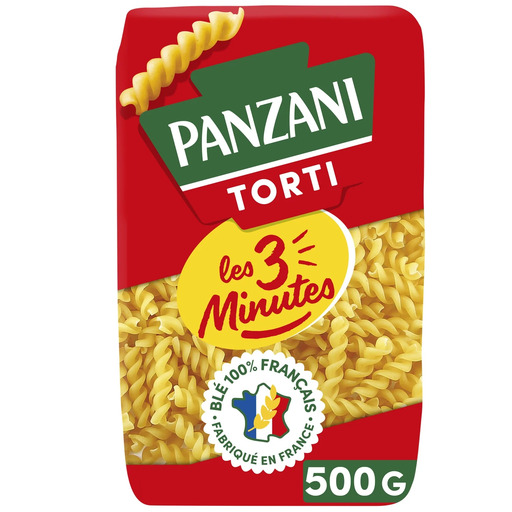 Image unavailable
Consider this when cooking time matters and torti are suitable for your dish. The name indicates a 3-minute cooking time for this 500 g pack; follow the instructions on the pack you receive and check its allergen information.
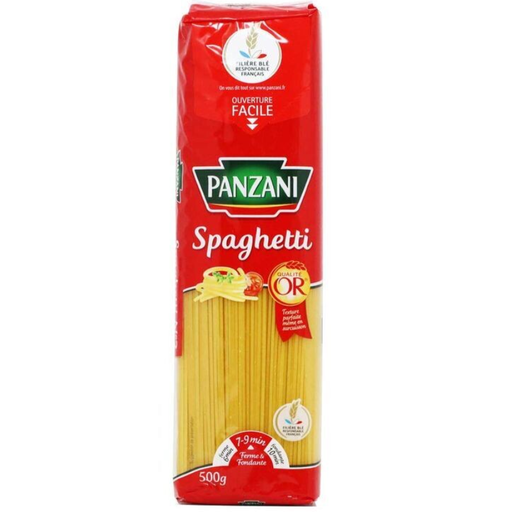 Image unavailable
This 500 g pack is an option for a dish that calls for classic spaghetti. Check the ingredients and cooking time on the packaging before preparing your meal.
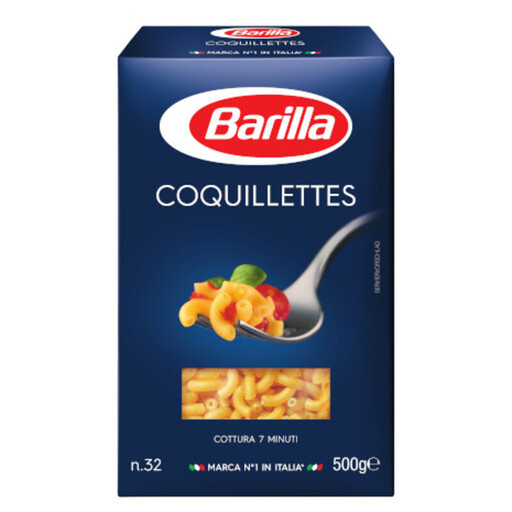 Image unavailable
Choose this if your recipe calls for small pasta shells. The pack contains 500 g; check the ingredients and decide how much to cook for your planned meal.
No. How much pasta to cook depends on its place in the meal, how many people you’re serving and what else you’re having with it. Decide how much you need per person, then work out what proportion of the pack to use. This shouldn’t be treated as nutritional advice.
No. Wholewheat pasta can be made from wheat. Check the ingredients and allergens for the exact product rather than assuming what it contains based on the word ‘wholewheat’.
Check the net weight, ingredients and allergens, then look at the shape and cooking instructions for the product you’ve chosen. The DGCCRF reminds shoppers that net quantity and the ingredients list are among the information to look for on food labels. If a dietary requirement makes this check particularly important, compare the product listing with the pack you receive.