What criteria should you consider?
Start with the recipe and how the meal will be served, then check the exact product against the menu, individual dietary restrictions and supply arrangements.
| Criterion |
What to check |
Consumers concerned |
| Shape and serving |
Compare the shape with the planned dish and check the cooking instructions for the product you choose. |
For a sauce or bake served to a group, I want a shape that suits the recipe and the way it will be served; around 40% of consumers make this their top priority. |
| How it fits into the menu |
Review the nutritional information per 100 g and have the relevant professionals assess individual needs. |
If the menu calls for a comparison of standard, wholewheat and higher-protein pasta, I want the choice to fit the care plans of the residents concerned; around 30% of consumers prioritise this. |
| Ingredients |
Check the ingredients, allergens and any possible traces on the label of the batch delivered, especially if a substitute is supplied. |
When residents have dietary restrictions, I need to identify exactly which product will be served; around 20% of consumers prioritise this check. |
| Availability |
Confirm the 500 g pack size and check that the chosen supplier can provide the product. |
To plan the meal, I need to know whether I can get the same product in the expected pack size; this is the top concern for around 10% of consumers. |
500 g pasta available on Joybuy
These 500 g products include short pasta shapes for a range of recipes, wholewheat farfalle, cannelloni for a stuffed pasta dish and linguine for a recipe using long pasta. Choose according to the planned menu and check the label on the product delivered.
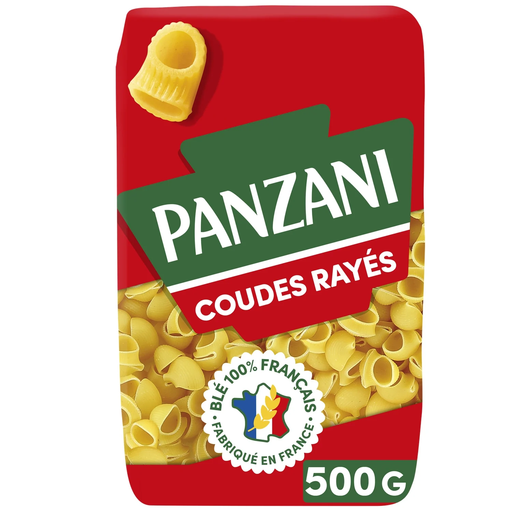 Image unavailable
Panzani ridged elbow pasta 500 g
Worth considering for a dish with sauce or a bake on the menu. Check the allergens and cooking instructions on the pack delivered before preparing it.
View on Joybuy
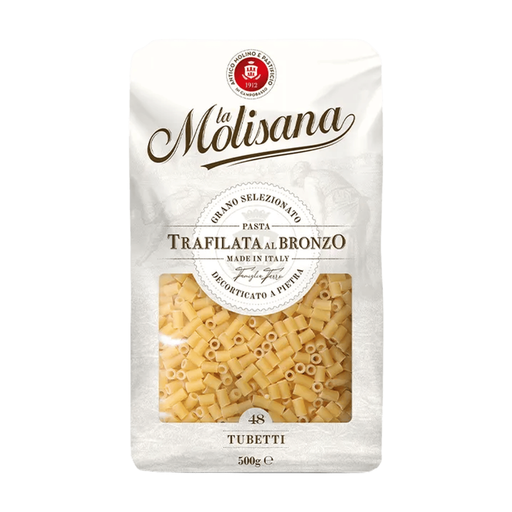 Image unavailable
La Molisana Tubetti N°048 500 g
These small pasta shapes are worth considering for a soup, pasta salad or oven-baked dish. Check the allergens and cooking instructions on the pack delivered.
View on Joybuy
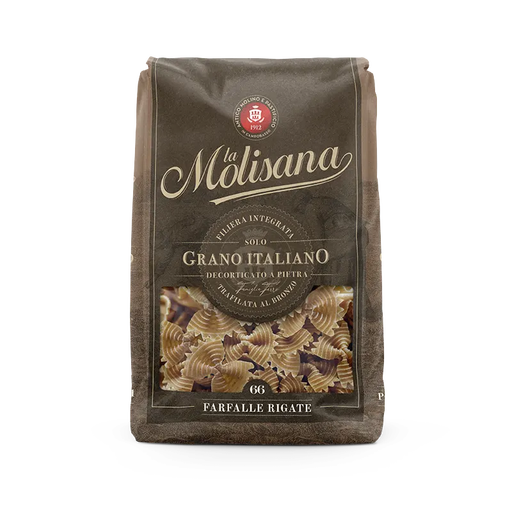 Image unavailable
La Molisana Farfalle Integrali N°066 500 g
This wholewheat option can be compared with standard pasta if the menu includes farfalle and it is suitable for the residents concerned. Review the nutritional information and allergens for the product delivered.
View on Joybuy
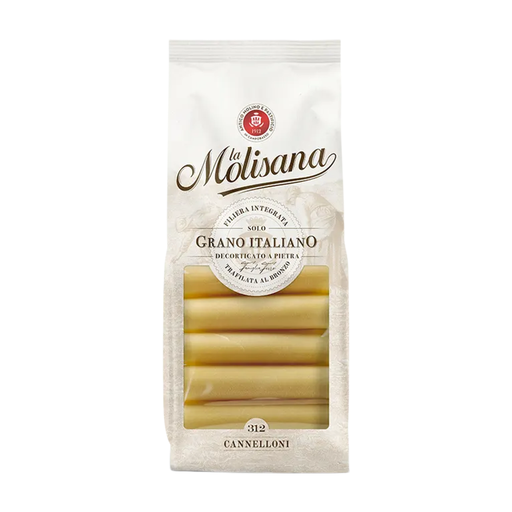 Image unavailable
La Molisana Cannelloni N°312 500 g
Choose these when the menu calls for stuffed cannelloni rather than a pasta shape suited to a range of recipes. Check the preparation instructions on the pack for your chosen dish.
View on Joybuy
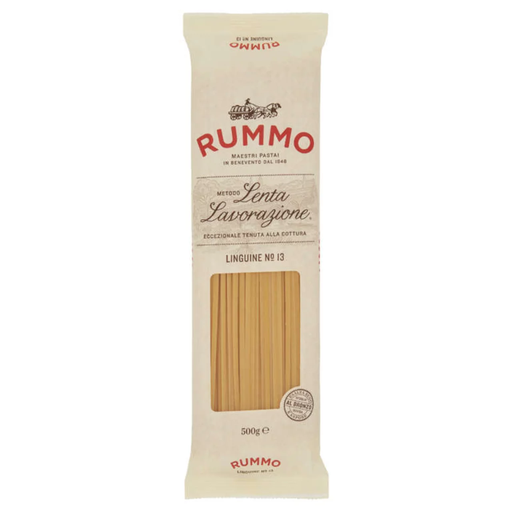 Image unavailable
Rummo Linguine No. 13 500 g
This long pasta suits a menu that includes linguine. If the recipe or serving method calls for a short shape, consider that type of product instead. Check the allergens on the pack delivered.
View on Joybuy
Frequently asked questions
Is a 500 g pack suitable for every care-home meal?
No: 500 g refers to the pack size, not whether the pasta is suitable for the dish or every resident. Choose the shape to suit the recipe and work out how much to prepare based on the care home’s menu. A prescribed texture, allergy or nutritional care plan requires an individual check.
Should you always choose wholewheat pasta?
No: wholewheat pasta is an option to consider if the menu includes it, but it is not automatically suitable for every resident. E.Leclerc’s product information for Turini wholewheat spaghetti lists 7.5 g of fibre per 100 g; also take the recipe, acceptability and individual needs into account.
Is higher-protein pasta enough if someone is malnourished?
No: a food product cannot replace the assessment and care needed for malnutrition. The French National Authority for Health (Haute Autorité de Santé) addresses this issue in people aged 70 and over as part of a professional diagnosis. Consider any higher-protein pasta with the relevant team, taking the menu and the resident’s care plan into account.
Which allergens should you check before serving pasta?
Check the ingredients, allergens and any possible traces on the label of the batch delivered. The product information for Carrefour Classic’ macaroni lists durum wheat semolina and possible traces of egg, soya and mustard; do not assume the same information applies to a different product.


