Hosts who need exactly 500 g
You’re planning how much sauce you need for Sunday lunch and want a pack with a net weight of 500 g, rather than a similar-sized alternative.


For Sunday lunch, choose your recipe first: a 500 g Bolognese sauce if the menu includes pork and beef, or a tomato sauce if you want to avoid these meats. Then check the net weight and storage instructions after opening. A 500 g tomato purée or pulp still needs preparing and isn’t automatically a ready-to-serve sauce.
You’re planning how much sauce you need for Sunday lunch and want a pack with a net weight of 500 g, rather than a similar-sized alternative.
You need to decide whether the menu will include a pork and beef Bolognese or a tomato-based option, depending on what your guests eat.
You check the ingredients, allergens, nutritional values and storage instructions after opening before choosing a pack size.
For a sauce for Sunday lunch, decide whether 500 g is essential, then choose your recipe and check the details of the product you plan to buy.
| What to consider | What to check | Who is this for? |
|---|---|---|
| Net weight | Look for 500 g on the product; the jar or carton alone won’t tell you how much it contains. | If I’m planning exactly 500 g of sauce for the meal, a 400 g or 560 g pack changes what I prepare. Around 45% of consumers rank this exact weight as their top requirement. |
| Recipe and ingredients | Check the meat and other ingredients: Carrefour’s listing for Panzani 500 g Bolognese contains pork and beef. | If a guest avoids these meats, I need to choose the recipe before deciding on the quantity. Ingredients are the main priority for around 33% of consumers. |
| Label and storage | Check the allergens, nutritional values per 100 g and storage instructions after opening for the specific product. | If I might have leftovers or need to account for an allergen, I check the label before serving the sauce. Around 22% of consumers prioritise this information. |
Pack sizes vary by recipe: Panzani lists its Tomato and Basil sauce in 210 g, 400 g and 650 g packs, while Barilla offers its Basilico Sauce in 200 g and 400 g packs.
If 500 g is essential, check the net weight before comparing recipes. Otherwise, decide which similar quantity will suit your meal.
Carrefour’s listing for Panzani 500 g Bolognese contains pork and beef. The general description “pasta sauce” isn’t enough to determine whether it’s suitable for guests who avoid these meats.
Read the ingredients list on the product you buy and choose another recipe if these meats don’t suit your menu.
Auchan’s product information for Cirio La Gustosa mentions celery, among other ingredients. To compare salt, sugars or fat, look at values shown on the same basis, such as per 100 g.
Check the label on the exact product rather than assuming its ingredients from the brand or recipe name.
Storage instructions after opening vary by product. For Cirio La Gustosa 500 g, Auchan recommends keeping it in the fridge for 3 to 4 days.
Follow the instructions on the pack you buy to plan how you’ll use any leftovers.
A pack that’s too large for your meal could leave you with some unused sauce once the recommended storage period is up.
These two recipes show why it’s important to check the pack size: Carrefour lists Panzani Bolognese in a 500 g pack, while Panzani gives different weights for its Tomato and Basil sauce.
Basilico Sauce is a tomato and basil recipe to consider if a pack smaller than 500 g will suit your meal.
The retailer lists Panzani Bolognese in a 500 g pack, making it easy to distinguish this recipe from other Bolognese pack sizes.
The retailer lists Cirio La Gustosa, a tomato and vegetable-based sauce in a 500 g carton. Cirio is the product brand.
The retailer offers Baresa tomato sauce in a 560 g pack, which is only worth considering if a similar pack size suits you.
These 500 g products include a seasoned tomato sauce and tomato bases for cooking. For Sunday lunch, make sure you know whether you’re buying a sauce, purée or pulp before planning your meal.
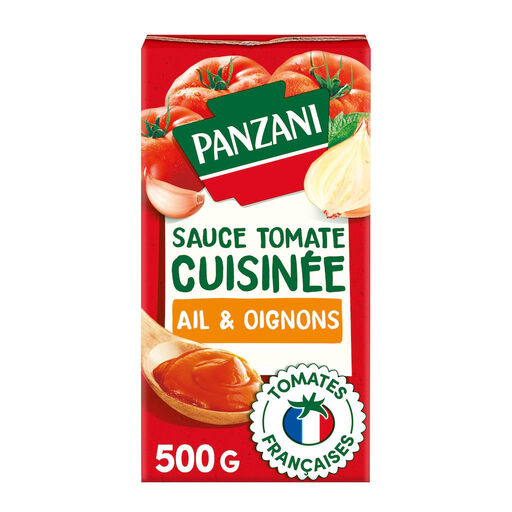 Image unavailable
A good option if you’d like a seasoned tomato sauce for pasta rather than a tomato base to prepare yourself. Check the pack for storage instructions after opening.
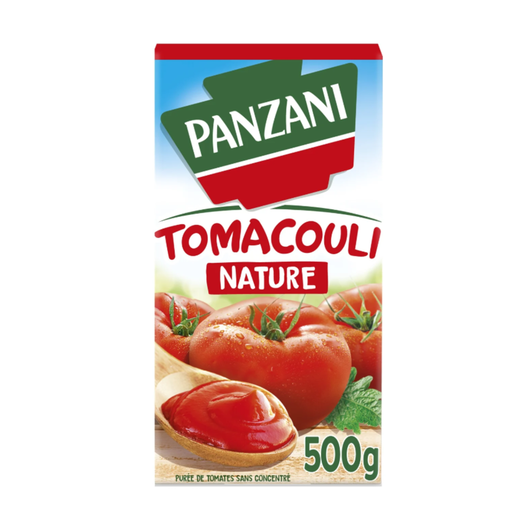 Image unavailable
A tomato base for making your own pasta sauce. You’ll need to season it and prepare the dish yourself. After opening, follow the storage instructions on the product.
 Image unavailable
Choose this as a base if you plan to cook and season the sauce for your meal yourself; it isn’t a ready-to-serve pasta sauce. Check the storage instructions on the pack.
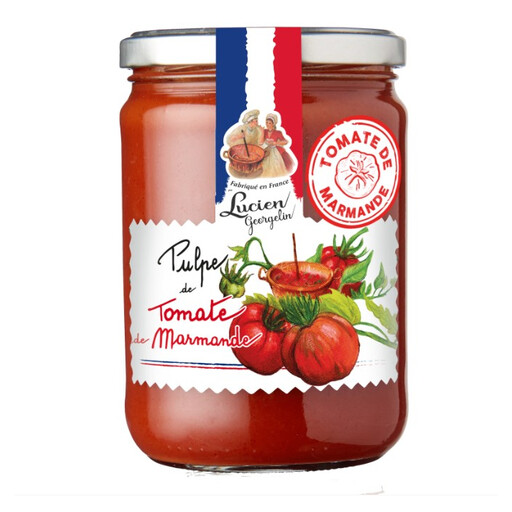 Image unavailable
This pulp is a base for cooking a sauce for Sunday lunch. Allow time to prepare and season it rather than treating it as a ready-to-serve sauce.
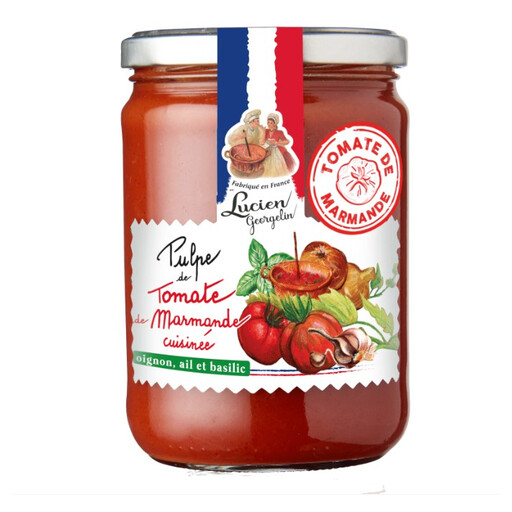 Image unavailable
This flavoured purée is a good choice if you want to make a sauce from a base that already contains onion, garlic and basil. You’ll still need to prepare it before serving with pasta.
No. The net weight tells you how much you’re buying, not how many portions it will provide for every meal. Consider how much pasta you’re cooking, what you’re serving with it and the recipe, then check whether the product gives a suggested serving size.
No. The 500 g product listed by Carrefour contains pork and beef. Before serving it, check the ingredients list on the pack you buy as well.
Compare their nutritional values on the same basis, such as per 100 g, rather than comparing different portion sizes. The DGCCRF says that presenting the information this way makes it easier to compare nutritional values.
Read the ingredients list for the specific product and look out for highlighted allergens, as the DGCCRF explains. Auchan’s product listing for Cirio La Gustosa mentions celery, among other ingredients, so don’t assume all tomato sauces have the same ingredients.
Follow the instructions on the pack you buy, as storage times vary by product. For Cirio La Gustosa 500 g, Auchan recommends keeping it in the fridge for 3 to 4 days after opening.