
Livraison le jour même ou le lendemain

Qualité garantie

Débloquez vos offres de bienvenue: Livraison GRATUITE | Jusqu'à -80 % | 30 jours d'essai gratuits à JoyPlus
Téléchargez l'application
Purchasing a new 4K TV can quickly become a headache. Between the technical acronyms and marketing promises, it's easy to get lost and end up with buyer's remorse. As a Product Expert at Joybuy, my role is to help you see things more clearly. Let's break down the common pitfalls and essential criteria to find the model that truly fits your needs, without getting bogged down in jargon.
Manufacturers' marketing is filled with claims designed to create confusion. Here are three key things to watch out for to make an informed purchase.
You've surely seen numbers like "?1200?PQI?" or "?Motion Rate 240?". These indexes, created by brands, combine the native refresh rate with software-based image processing. The only number that truly matters is the panel's native refresh rate, expressed in Hertz (Hz). For standard use (movies, series, TV), a 60?Hz panel is sufficient. For sports fans and next-gen console gamers, a native 120?Hz or 144?Hz panel will offer significantly smoother motion.
QLED, OLED, Mini LED... These terms refer to the backlight and panel technology, which directly determines the image quality.
Not all operating systems are created equal. A slow interface, missing apps, or a lack of updates can completely ruin your daily experience. The most common systems like Google TV or Tizen (Samsung) are generally responsive and feature-rich, but lesser-known proprietary systems can be very limited. Be sure to check for the availability of your must-have apps (Netflix, Prime Video, Disney+, etc.).
Beyond the marketing talk, focus on these objective technical specifications to make the right choice.
As we've discussed, the native refresh rate is crucial. If you're a gamer, a 4K TV with a 120?Hz or 144?Hz panel is a must-have to take full advantage of next-gen consoles. Make sure it's paired with at least one HDMI 2.1 port. This standard is essential for transmitting a 4K signal at 120 frames per second and for features like VRR (Variable Refresh Rate), which syncs the TV with the console to eliminate screen tearing.
HDR (High Dynamic Range) enhances contrast and colour richness. There are basic formats (HDR10, HLG) and more advanced dynamic formats: Dolby Vision and HDR10+. The latter adjust brightness and contrast on a scene-by-scene basis, delivering a much more nuanced image that is true to the director's vision. Most streaming platforms like Netflix offer content in Dolby Vision, making it a decisive factor for movie lovers.
Rather than searching for a non-existent "perfect" model, it's smarter to find the one that matches your user profile. Here are our targeted recommendations.
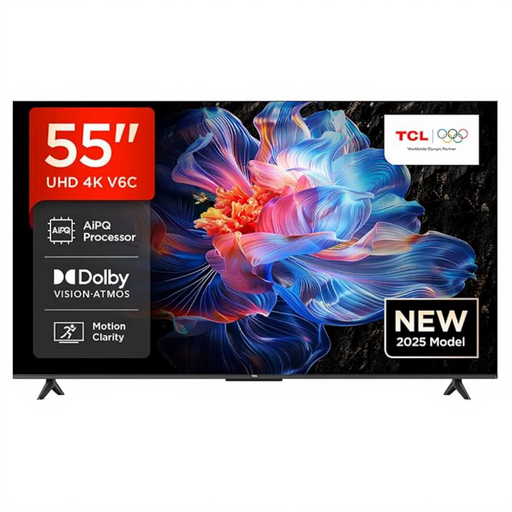
Why it stands out : This 55-inch TV is an excellent entry point into the world of 4K. It features Google TV, a smooth and app-rich operating system perfect for family streaming. Its Dolby Vision and HDR10+ compatibility ensures great picture quality for movies and series.
It doesn't try to sugarcoat reality. It advertises a native 60 Hz refresh rate, perfectly suited for everyday use, and focuses on tangible strengths like a high-performing Smart TV system and support for dynamic HDR formats.
Excellent features-to-price ratio. The inclusion of Google TV and Dolby Vision compatibility are rare assets in this price range.
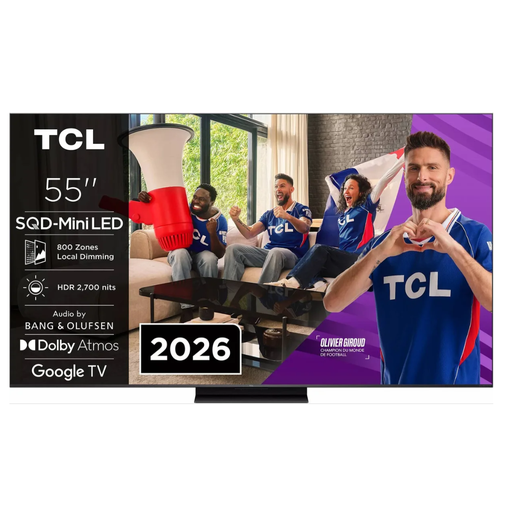
Why it stands out : This TCL TV combines a Mini LED panel for stunning contrast with a native 144 Hz refresh rate. It's the perfect setup for 144 Hz gaming, ensuring maximum fluidity and responsiveness. The Super Quantum Dot technology guarantees vibrant colours for total immersion in movies.
It highlights verifiable and highly sought-after technical specs: a Mini LED panel with 800 backlighting zones and a native 144 Hz rate. It doesn't hide behind marketing jargon but displays raw features that will speak to enthusiasts.
Top-tier gaming performance (144 Hz, VRR, FreeSync Premium Pro) and Mini LED picture quality for striking contrast.
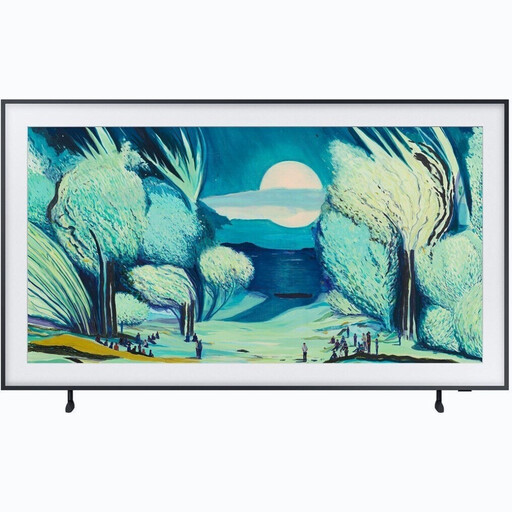
Why it stands out : The Frame is more than a TV; it's a piece of decor. Its anti-reflection matte display and Art Mode show artworks when the device is off, turning it into a true painting. The separate One Connect box and the slim-fit wall mount allow for a perfect, cable-free integration.
It doesn't compete on the spec sheet race but on a unique value proposition: aesthetics. It meets a need that other TVs ignore—blending harmoniously into a well-designed interior, all while delivering excellent QLED picture quality.
Unique design with an anti-reflection matte display and Art Mode. Flawless wall integration thanks to the One Connect box and included wall mount.
We've put together a complete selection of TVs that meet our quality standards.
The lifespan of a 4K TV depends on its panel technology and usage. Generally, an LED or QLED TV is estimated to maintain optimal performance for about 7 to 10 years with average use. OLED TVs have a similar lifespan, as recent technologies have significantly reduced the risk of screen marking (or burn-in).
A simple rule is to measure the distance between your sofa and the planned location for the TV. For a comfortable, immersive experience with a 4K TV, the recommended viewing distance is about 1.5 times the screen's diagonal. For example, for a 55-inch TV (139 cm), a distance of about 2.1 metres (7 feet) is often advised.
For watching movies, series, or the news, a TV with a native 60?Hz panel is more than enough. Investing in a 120?Hz or 144?Hz model is mainly justified for two uses: gaming on next-gen consoles (PS5, Xbox Series X) for maximum fluidity, and watching sports, where fast movements appear sharper and free of judder.