
Livraison le jour même ou le lendemain

Qualité garantie

Débloquez vos offres de bienvenue: Livraison GRATUITE | Jusqu'à -80 % | 30 jours d'essai gratuits à JoyPlus
Téléchargez l'application
Choosing a new 4K Smart TV can quickly become a daunting task. Between technical acronyms like QLED, Mini LED, HDMI 2.1, and various operating systems, it's easy to get lost. Whether you're a gamer seeking the smoothest performance, a cinephile passionate about image quality, or a family looking for a simple and versatile television, this guide is here to help.
As the Head of Product Recommendations at Joybuy, I break down the spec sheets to focus on what truly matters?: relevant models that meet real-world needs. Here is our selection for 2026, along with the key criteria for making an informed choice.
Before diving into our top picks, let's review the key points to consider to find the perfect TV for your needs.
Image quality is directly linked to the panel's technology and its backlighting system.
Today, a TV is for more than just watching the news. For gaming or movies, certain features have become essential.
A Smart TV must be intuitive and responsive. Google TV has established itself as a benchmark thanks to its user-friendly design, personalised recommendations, and vast app library. Other systems like webOS (LG) are also renowned for their simplicity and smoothness.
We have selected three models that stand out from the crowd, each catering to a specific user profile.
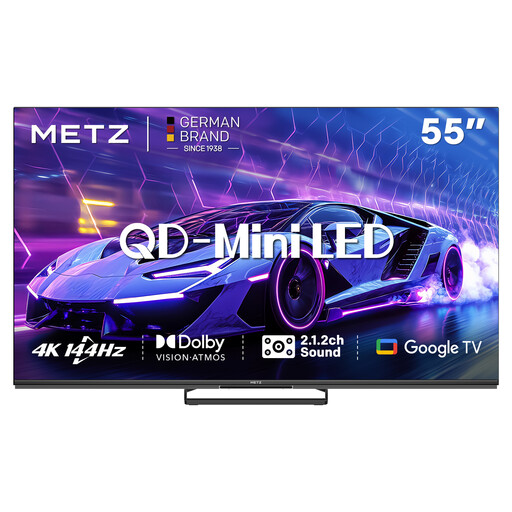
Why it stands out?: This 55-inch 4K TV is a true technological powerhouse. The combination of Mini LED backlighting and a QLED+ panel delivers stunning contrast and vibrant colours. Its main advantage is its native 144?Hz refresh rate, paired with an HDMI 2.1 port, making it a top choice for PC or new-generation console gaming.
Advantages?:
Who is it for?? Demanding gamers and home cinema enthusiasts who refuse to compromise on image performance and fluidity.
See details for the METZ 55MNE8000Z
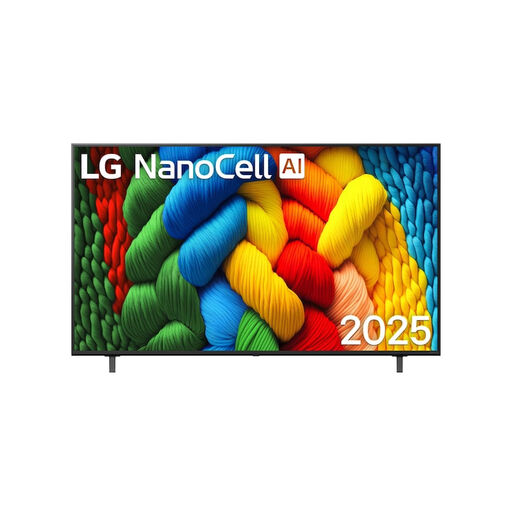
Why it stands out?: The LG 50NANO80A3B is a 50-inch 4K TV that leverages its NanoCell technology to deliver exceptionally pure colours. Its α5 AI Processor 4K optimises the image in real-time to enhance clarity and contrast. It's a very well-balanced television, ideal for varied daily use, from movies to news broadcasts.
Advantages?:
Who is it for?? Families and viewers who prioritise natural image quality and accurate colours for versatile use (movies, series, television).
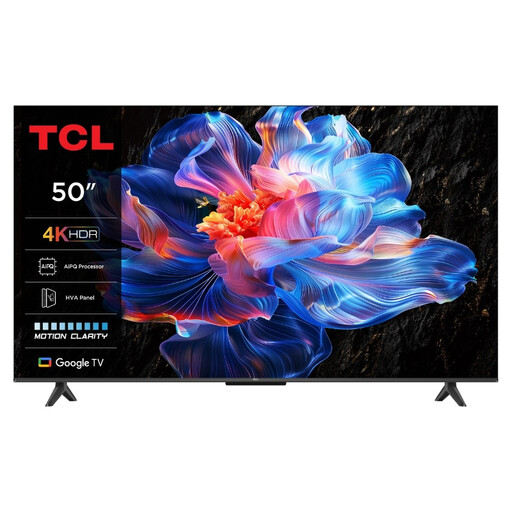
Why it stands out?: This 50-inch TCL model is an excellent entry point into the world of 4K Smart TVs. It features Google TV, offering a complete connected experience with Google Assistant and access to thousands of apps. Although its refresh rate is 50/60?Hz, it surprisingly includes gaming features like ALLM and VRR via its HDMI 2.1 port, making it a very competitive option for its price.
Advantages?:
Who is it for?? Those looking for a complete, easy-to-use, and accessible 4K Smart TV that offers the best balance between streaming features and gaming options.
This selection is, of course, just a glimpse of what the market has to offer. Whether you're looking for a different screen size, a specific technology, or simply want to compare other models, the choice is vast.
To explore all the options and find the latest 4K TV deal, we invite you to browse our full catalogue.
Discover our full range of 4K UHD Smart LED TVs
These are two different but complementary technologies. To put it simply?: Mini LED handles the backlighting (the light source behind the screen) to improve contrast and light control. QLED, on the other hand, acts on the panel itself to enhance colours using quantum dots. A TV like the METZ MNE8000Z combines both for an optimal result?: deep blacks and vibrant colours.
It all depends on your use case. For PlayStation 5 or Xbox Series X owners who want to play in 4K at 120 frames per second, HDMI 2.1 is essential. However, for standard use focused on video streaming (Netflix, YouTube) and broadcast TV, an HDMI 2.0 port is more than enough, as this content rarely exceeds 60 frames per second.
The choice between a 50-inch 4K TV and a 55-inch 4K TV mainly depends on your viewing distance. A simple rule of thumb is to multiply the screen diagonal by approximately 1.5.