
Livraison le jour même ou le lendemain

Qualité garantie

Débloquez vos offres de bienvenue: Livraison GRATUITE | Jusqu'à -80 % | 30 jours d'essai gratuits à JoyPlus
Téléchargez l'application
Navigating the jungle of modern televisions can quickly become a headache. Between the technical acronyms, marketing promises, and endless models, making the right choice for your living room can feel like a challenge. Yet the goal is simple: find a connected TV that delivers a beautiful picture and a smooth experience, without overpaying for superfluous features.
However, many buyers end up disappointed. To avoid the most common pitfalls, here are the essential points to check before you pull out your credit card.
To make the right choice, focus on the few technical criteria that truly matter. These are what define the performance and lifespan of your future 4K Smart TV.
The choice of display technology is fundamental. It determines everything: contrast, brightness, and colour richness.
The entire "Smart" experience depends on it. A good OS must be fast, easy to use, and provide access to a wide catalogue of apps (Netflix, Prime Video, Disney+, etc.).
Don't overlook the ports! They will ensure the longevity of your purchase and its compatibility with your devices, both current and future.
To help you see more clearly, here's how these criteria translate into specific models designed for different uses.
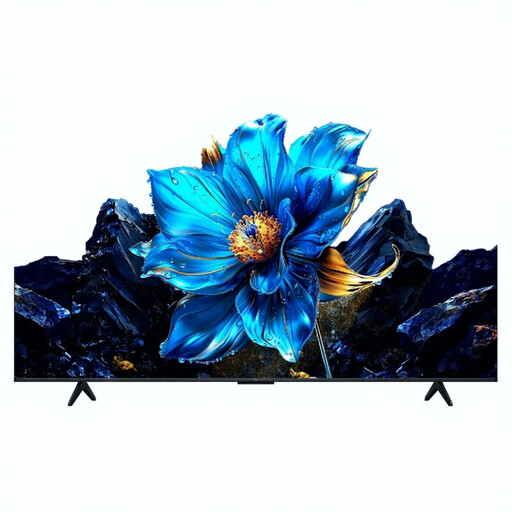
Why it's a great choice: For a theatre-worthy immersive experience, size and picture quality are the two pillars. This large 65-inch (165 cm) model checks all the boxes: a 4K QLED TV panel for vibrant colours and full compatibility (Dolby Vision and HDR10+) for deep contrasts. Perfect for your movie nights.
No more marketing jargon! This model relies on QLED technology, a technical standard that objectively guarantees a wider colour gamut and higher peak brightness than a conventional LED panel.
Its large 65-inch screen for total immersion. Support for all major HDR formats (Dolby Vision, HDR10+) and Dolby Atmos sound.
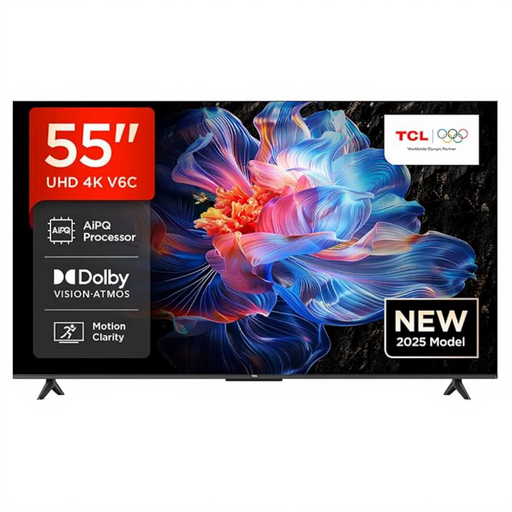
Why it's a great choice: This 55-inch (140 cm) model is tailor-made for gaming. It includes the essentials for next-gen consoles: an HDMI 2.1 gaming TV connection and ALLM mode to ensure minimal latency. Your reaction time in competitive games will thank you.
No subpar connectivity here. The inclusion of HDMI 2.1 ports ensures perfect compatibility with the advanced features of the PS5 and Xbox Series X consoles.
Its gaming arsenal (Game Master, ALLM) and the comprehensive, customisable ecosystem of Google TV.
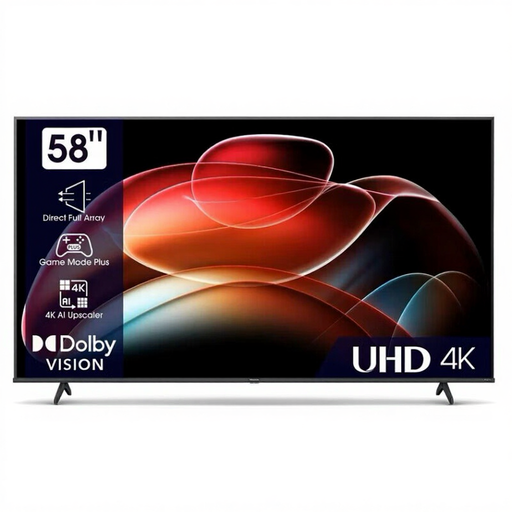
Why it's a great choice: A large 58-inch (147 cm) screen with a 4K picture compatible with Dolby Vision, without breaking the bank. Its VIDAA OS gets straight to the point: it's simple, fast, and lets the whole family launch Netflix or YouTube in just a few clicks.
It avoids the trap of a TV that's 'Smart' in name only. Its VIDAA system is responsive and well-designed, offering smooth access to essential apps—a far cry from the frustrating slowness of low-end operating systems.
Its excellent screen size-to-price ratio. The VIDAA interface is simple and effective for all family members.
We have selected a full range of televisions for you that meet our quality charter and current standards.
The panel itself (the screen) is designed to last for many years. The real limiting factor is the software. A model equipped with a popular OS like Google TV will be supported longer by the manufacturer with security and app compatibility updates. This is what extends its "smart" lifespan. Generally, you can expect a useful life of 5 to 7 years before your TV becomes technologically or software-obsolete.
It all depends on your usage. For a PS5 or Xbox Series X gamer who wants to experience 4K at 120 Hz, the answer is yes, it's essential. For all other uses (movies, streaming, broadcast TV), HDMI 2.0 ports are more than sufficient. They support a 4K picture at 60 Hz, which covers almost all current content.
For a cinephile or if your living room is bathed in light, the investment in a 4K QLED TV is fully justified. The brightness boost combats reflections and enhances details in HDR scenes, while the expanded colour palette delivers a richer, more accurate picture. For more casual use or in a dimly lit room, a good LED TV will do the job perfectly for a more budget-friendly price.