
Livraison le jour même ou le lendemain

Qualité garantie

Débloquez vos offres de bienvenue: Livraison GRATUITE | Jusqu'à -80 % | 30 jours d'essai gratuits à JoyPlus
Téléchargez l'application
The TV market is a constantly evolving jungle, and 4K Mini LED TV technology has emerged as the new holy grail for anyone seeking unparalleled image quality. But drowning in an avalanche of technical jargon and marketing promises, it's easy to make a misstep. As the Head of Product Recommendations at Joybuy, my mission is simple: to help you see things more clearly. This guide breaks down the pitfalls to avoid and gives you the tools to choose THE television that will meet your expectations, whether you're a hardcore gamer, a discerning cinephile, or simply in search of the ultimate visual thrill.
Before taking the plunge, watch out for these three common pitfalls:
To avoid these traps, focus on a few essential characteristics. They are the true quality assurance for your investment.
Mini LED technology uses thousands of tiny diodes to light the screen, controlled by independent zones. This is called local dimming. The more zones a TV has, the more precise its light control.
Don't be fooled by the term QLED Mini LED TV alone; demand to know the number of dimming zones to judge the real contrast performance.
For gamers, smoothness is sacred. A 144Hz gaming TV is an asset, but only if the panel is natively capable of displaying this frequency. It's the only guarantee of a perfectly sharp image without tearing in the most fast-paced games.
To leverage this capability, connectivity is just as crucial. An HDMI 2.1 port is non-negotiable for transmitting a 4K signal at 120 frames per second (or even higher) from a new-generation console like the PS5 or a high-end PC. This standard also supports essential features like VRR (Variable Refresh Rate) and ALLM (Auto Low Latency Mode), which synchronise the TV's refresh rate with the console's for an optimal gaming experience. A TV for PS5 worthy of the name must check both of these boxes.
HDR (High Dynamic Range) transforms the image by enhancing the richness of colours and the level of detail in both the darkest and brightest areas. There are two main dynamic formats:
A TV compatible with both formats, like a Dolby Vision Atmos TV, is your assurance of enjoying the best possible image quality, regardless of your favourite streaming platform.
Rather than an endless list, we've matched specific models to user profiles, based on the objective criteria defined above.
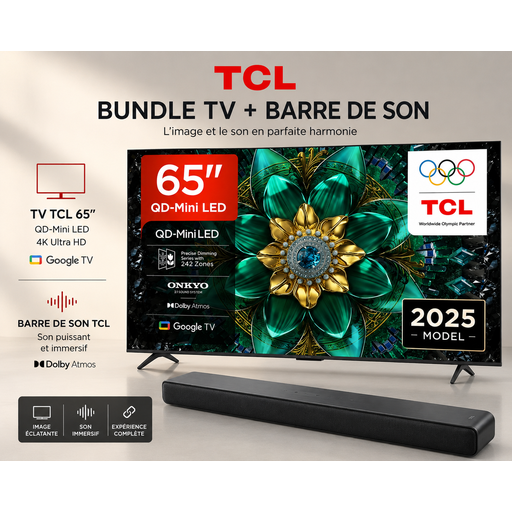
Why this model is for you: This TV is built for gaming. With its native 144Hz panel, HDMI 2.1 ports, and Game Master features, it delivers the responsiveness and smoothness required by competitive games on the latest consoles and PCs. The bundle with an Onkyo soundbar is the icing on the cake for total immersion.
It knocks out the false-smoothness mirage by integrating a native 144Hz panel, not just software interpolation. This guarantees maximum responsiveness.
A full gaming suite (VRR, ALLM, AMD FreeSync) and HDMI 2.1 connectivity ensure full compatibility with the advanced features of consoles and PCs.
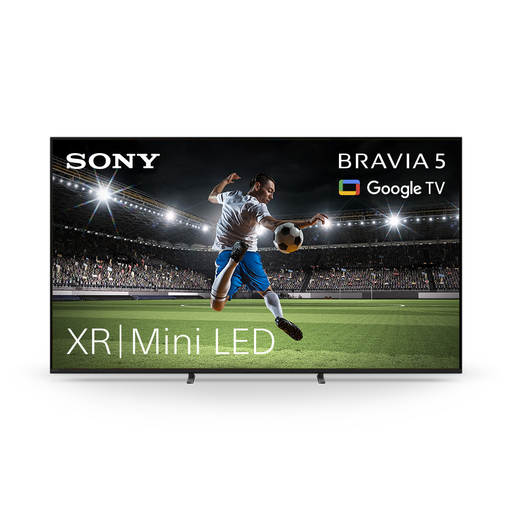
Why this model is for you: This Sony Mini LED TV is all about image fidelity. Its Cognitive Processor XR analyses the picture for a stunningly natural result, while the XR Backlight Master Drive system offers surgical control over contrast. Support for Dolby Vision and Dolby Atmos makes it a top-tier choice for a home cinema experience.
It ends the format war by being compatible with Dolby Vision, ensuring you get optimal image quality on major content without forcing you to pick a side.
Cutting-edge image processing that's true to the director's vision, and an audio system (Acoustic Multi-Audio) where the sound seems to come directly from the screen.
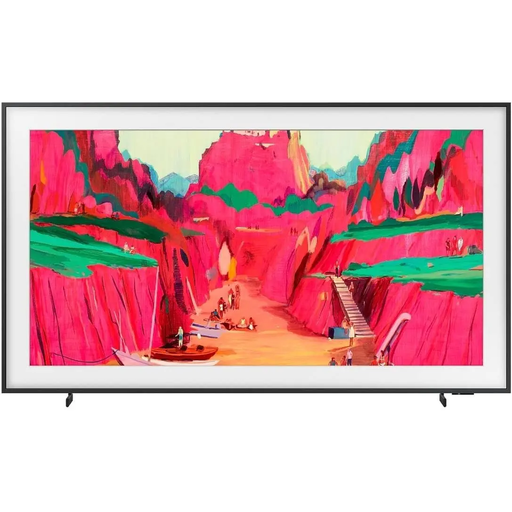
Why this model is for you: The Frame is more than a TV; it's a decorative object. Its Art Mode, customisable bezels, and matte, anti-reflection screen allow it to literally blend into any decor. The external One Connect box puts an end to eternal cable clutter for a pristine setup.
It doesn't sacrifice performance for design. This Samsung Neo QLED TV (Samsung's name for Mini LED) includes a 144Hz panel and a powerful processor, delivering top-tier image quality.
Unparalleled aesthetic integration thanks to Art Mode and the matte screen, which turns the TV into a true painting when on standby, and the One Connect box for a setup with zero visible cables.
We've put together a complete selection of products that meet our strict standards.
The lifespan of a Mini LED TV is comparable to that of other LCD/LED TVs, generally estimated at between 40,000 and 60,000 hours of use. Mini LEDs are inorganic components that degrade very slowly. In practice, for average use of a few hours per day, this represents well over 10 years of operation before any drop in brightness becomes noticeable.
Not necessarily. Although a Mini LED TV can reach very high peak brightness levels, which increases power consumption at times, its ability to turn off or dim specific areas of the screen (local dimming) can actually save energy during dark scenes. Overall consumption will therefore depend primarily on what you are watching. To be sure, take a look at the energy label of the model you're eyeing.
A Dolby Atmos-compatible TV can already offer more immersive and spatialised sound with its built-in speakers. However, for a truly enveloping experience, with sound that seems to come from all directions (including from above), adding a Dolby Atmos-compatible soundbar or home cinema system is almost essential. These systems have dedicated speakers to reproduce height effects and offer power and clarity that are beyond comparison.