
Livraison le jour même ou le lendemain

Qualité garantie

Débloquez vos offres de bienvenue: Livraison GRATUITE | Jusqu'à -80 % | 30 jours d'essai gratuits à JoyPlus
Téléchargez l'application
The appeal of a 4K mini-drone is hard to resist?: capturing breathtaking landscapes, immortalising family moments from a unique angle, or creating dynamic videos. But be warned: the market is saturated with marketing promises that too often turn a fun purchase into a costly disappointment. As a product expert at Joybuy, my mission is to guide you through this jungle and help you make a truly informed choice.
Before you take the plunge, let's review the 3 classic pitfalls awaiting unwary buyers.
To avoid these disappointments, focus on a few technical specifications that make all the difference. These specs are the true barometer of your future drone's performance and user experience.
The "4K" label alone doesn't guarantee a great picture. The true quality of a 4K camera drone rests on three pillars?:
In the UK and Europe, the drone's weight is an absolutely crucial factor. Opting for a lightweight drone under 250g (C0 classification) offers you complete peace of mind?:
This category of drones is therefore ideal if you're looking for an easy-to-use drone for leisure, travel, or family gatherings.
For a DJI drone for beginners or any other model aimed at a general audience, the reliability of assistance features is paramount. A good drone with auto-tracking must keep the subject smoothly and predictably centred in the frame. Likewise, obstacle detection must be effective to avoid collisions and ensure safe flight, whether indoors or near trees.
Rather than an exhaustive list, we've matched specific models to well-defined user profiles. This way, you can identify at a glance the drone that truly meets your needs and intended use.
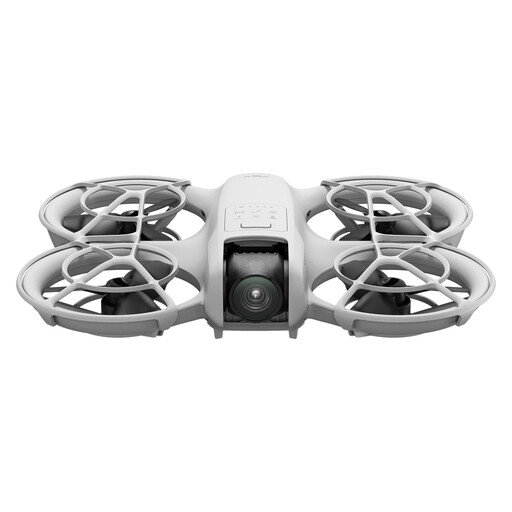
Why we chose it : Ideal for those who want to capture memories without getting bogged down in technical details. Its palm takeoff and smartphone-based piloting make it ultra-accessible for family outings or hikes.
At 135g, it eliminates the regulatory headache. Its stabilised gimbal ensures true 4K quality, and its integrated propeller guards make it safer for flights indoors or near obstacles.
Extreme ease of use with palm takeoff and creative QuickShots modes. The subject tracking is reliable, making it an excellent DJI drone for beginners.
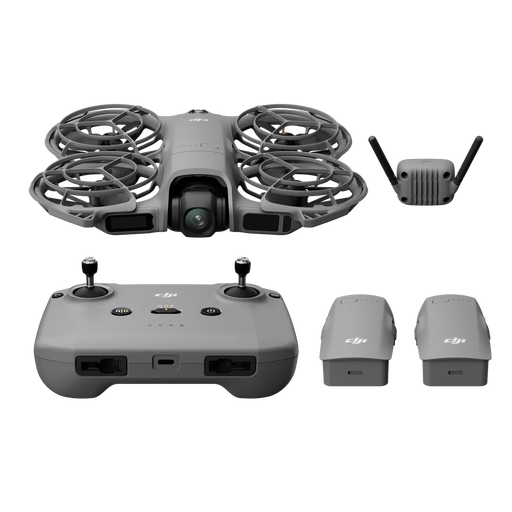
Why we chose it : For vloggers and creators who need a high-performance, portable tool. The Fly More Combo, with its three batteries, provides enough flight time for a full day of shooting, and the remote controller offers much finer piloting precision.
It solves the "fake 4K" problem with high-quality imaging and high-performance stabilisation. Its 151g weight keeps it in the C0 category, the simplest from a regulatory standpoint. The ActiveTrack subject tracking is responsive and reliable—far from a marketing gimmick.
Omnidirectional obstacle sensing provides enhanced flight safety. The pack includes everything needed for extended flight sessions, making it excellent value for money for regular use.
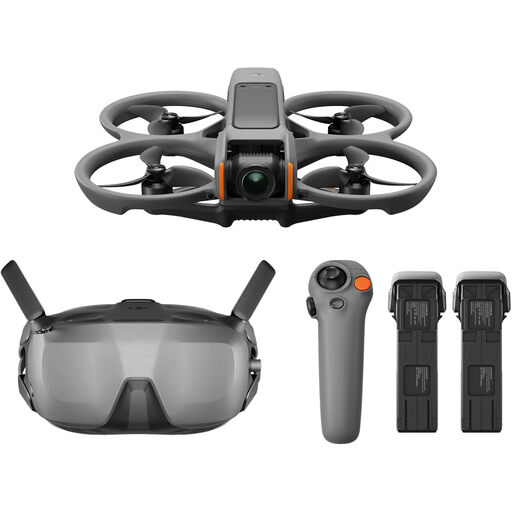
Why we chose it : For those seeking an immersive flight experience and dynamic shots. First-person view (FPV) piloting via the goggles and motion controller delivers a unique sensation, almost like flying like a bird.
It makes FPV accessible to beginners with an integrated, secure system, avoiding the complexity and risks of custom-built "DIY" FPV drones. The built-in propeller guards allow for more confident flying.
The immersive flight experience is its main draw. The 4K ultra-wide-angle (155°) camera captures spectacular footage, and the simplified ACRO mode makes performing aerobatic manoeuvres easy.
We have curated a complete list of models for you that tick all the right boxes and comply with current regulations.
On average, a mini-drone battery provides a flight time of between 20 and 30 minutes under optimal conditions. For a comfortable and frustration-free flying session, it's advisable to have at least 3 batteries. This is why "Fly More Combo" packs, which include multiple batteries and a multi-charger, often represent excellent value.
For recreational use, the law does not require specific insurance for a drone under 250g. However, it is highly recommended to check that your public liability insurance policy covers model aircraft activities. In the event of an accident causing damage to a third party or property, you would be held liable. Adequate cover provides essential peace of mind.
Yes, provided you choose the right device. A model equipped with a good-sized image sensor and, most importantly, a mechanical stabilisation gimbal can produce stable, sharp, and smooth 4K videos. Drones like those in the DJI Neo or Mini series are capable of delivering footage of a quality that is perfectly usable for vlogs, short films, or social media content. The key is stabilisation, far more than the simple race for resolution.