
Livraison le jour même ou le lendemain

Qualité garantie

Débloquez vos offres de bienvenue: Livraison GRATUITE | Jusqu'à -80 % | 30 jours d'essai gratuits à JoyPlus
Téléchargez l'application
Holiday homes, remote construction sites, agricultural properties... How do you secure a location without Wi-Fi or a power supply? The task may seem complex, but fully autonomous solutions are available. The 4G solar security camera stands out as the clear solution to this challenge.
Using just a SIM card and a solar panel, these cameras provide continuous surveillance, free from the constraints of a power grid or internet connection. Follow our guide to understand the essential criteria and discover our top picks for the best models to protect your property with complete peace of mind.
Before you buy, let's review the key technical points that will make the difference between a great purchase and a disappointment.
Their main advantage is, of course, their complete independence. A standalone 4G camera relies on the mobile network. It is therefore crucial to check the quality of your carrier's 4G coverage at the exact installation spot. Most models require a Nano-SIM card with an associated data plan.
As for power, autonomy is provided by a rechargeable battery, which is in turn powered by a solar panel. Pay close attention to the battery capacity (in mAh) and the solar panel's wattage. A powerful combination ensures uninterrupted operation, even during the long winter weeks. A well-designed wireless solar camera will last several days on its battery alone.
What good is a camera if its footage is unusable? Resolution is therefore a non-negotiable criterion. Aim for at least 2K (Quad HD) quality, or even 4K, to get enough detail to identify a face or read a license plate. Night vision is just as essential. Some models only offer infrared (black and white), while more advanced ones integrate a spotlight for full-colour night vision, which provides much more information.
Smart detection is your best defence against the frustration of false alerts. By distinguishing between people, vehicles, and animals, it filters out irrelevant motion (like swaying branches) to notify you only of significant events. This is a major asset for monitoring a holiday home or a construction site.
An outdoor security camera without Wi-Fi must be built to withstand the elements. To verify this, check the IP (Ingress Protection) rating: an IP65 rating or higher is a mark of durability against rain and dust, which is essential for our climates.
When it comes to installation, being completely wire-free makes the process incredibly simple. Just ensure the mounting bracket is secure and that the solar panel can be angled towards the sun to capture maximum light.
Here are a few models that caught our eye and cater to different needs.
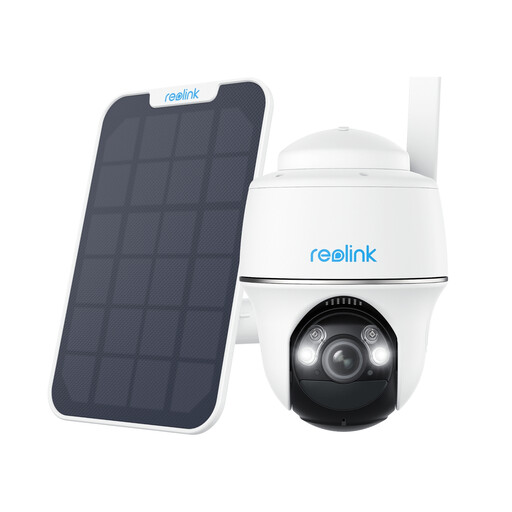
Why it stands out: This model ticks all the boxes for the perfect 4G solar security camera. It combines 4G connectivity, solar power, and pan-tilt motorisation for comprehensive surveillance, all in a complete, ready-to-use package.
Pros:
Who is it for? Ideal for monitoring large areas like farmland, a construction site car park, or the garden of a holiday home, where wide coverage and complete autonomy are essential.
Please note: The following models operate on Wi-Fi. However, they are still relevant if you don't have a power outlet nearby, thanks to their battery power and compatibility with a solar panel (often sold separately).
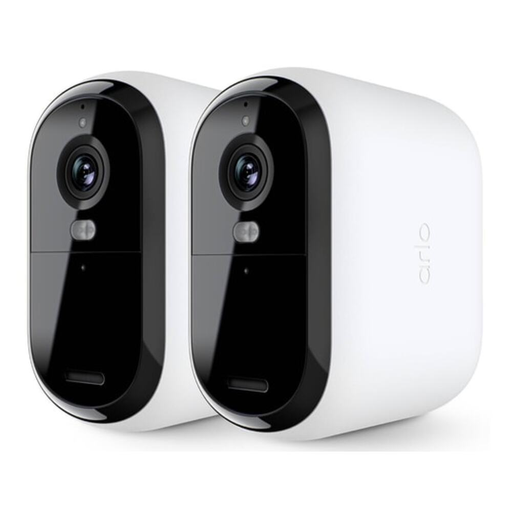
Why it stands out: This bundle's key strength is its XL battery with record-breaking life. Paired with 2K resolution and colour night vision, it's a high-end solution for demanding wireless surveillance.
Pros:
Who is it for? For those who have a Wi-Fi network but are looking for maximum installation flexibility and minimal maintenance, thanks to its marathon battery.
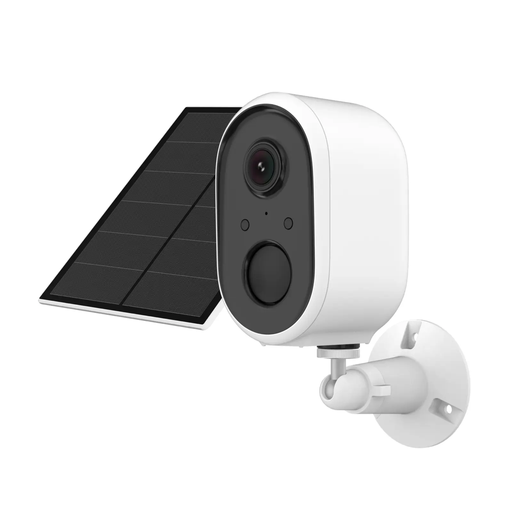
Why it stands out: Its main advantage is its integration into the TUYA ecosystem, making it compatible with thousands of smart devices. A versatile option for anyone looking to centralise their smart home management.
Pros:
Who is it for? Users already invested in the TUYA smart home ecosystem or those looking for an affordable wireless solar solution that integrates well with their smart home setup.
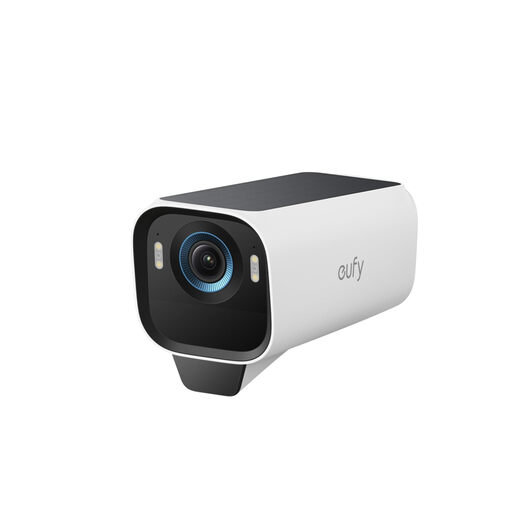
Why it stands out: The focus here is on image quality, with crystal-clear 4K resolution. It also distinguishes itself with expandable local storage, which frees you from any monthly subscription fees.
Pros:
Who is it for? For those who demand the best in image quality and privacy, want a subscription-free solution, and have Wi-Fi coverage.
Are your needs different? Are you looking for a more discreet solution or something for a smaller area?
For shorter-range surveillance, take a look at our selection of battery-powered Bluetooth security cameras.
1. What kind of SIM card is needed for a 4G security camera? A Nano-SIM card is required in most cases. You will need to sign up for a small mobile plan that includes data. A few gigabytes per month is more than enough for typical use (live viewing and alerts). Consider looking into IoT/M2M plans offered by carriers, as they are often very cost-effective.
2. Does a solar camera work in the winter or on cloudy days? Yes, absolutely. The camera has an internal battery that stores energy. The solar panel's only job is to recharge it. Even on overcast days, it continues to generate a small amount of electricity. Once fully charged, the battery can last for several days (or even weeks, depending on usage) without any sun. Pro tip: place the panel in a clear, unobstructed area, ideally angled to receive maximum sunlight.
3. Is it legal to install an outdoor security camera in France? Yes, but under strict conditions. You are free to film the inside of your property (garden, driveway, yard, etc.). However, it is strictly forbidden to film public spaces (the street, the pavement) or your neighbours' property. If you have employees or if the public has access to the area, the law requires you to indicate the presence of cameras with a clearly visible sign.