
Livraison le jour même ou le lendemain

Qualité garantie

Débloquez vos offres de bienvenue: Livraison GRATUITE | Jusqu'à -80 % | 30 jours d'essai gratuits à JoyPlus
Téléchargez l'application
Monitoring a second home, a construction site, a farm, or even a boat often presents a challenge: the frequent lack of a Wi-Fi connection and a power supply. This is precisely where the 4G security camera comes in. Completely self-sufficient, it uses the mobile network to let you keep an eye on your property, wherever you are.
This guide is here to help you navigate the options and identify the key criteria for choosing the model that's perfectly suited to your needs.
Before diving into our selection, here are the key points to consider to make the right choice.
A security camera without Wi-Fi is often installed in a location with no nearby power outlet. Power autonomy is therefore the number one criterion. Rechargeable battery-powered models offer great installation flexibility but require manual recharging.
For complete peace of mind, the 4G solar camera is the ideal solution. A solar panel, even a small one, can be enough to keep the battery charged and ensure continuous operation, provided it has good sun exposure. This is a particularly suitable solution for an outdoor 4G camera intended for long-term surveillance.
The operation of a camera with a SIM card requires a mobile subscription with a data plan. Before you decide, be sure to check three essential points:
Good video quality is essential to clearly identify what is happening on screen. A 2K (or higher) resolution provides a significant level of detail, day and night.
To avoid being overwhelmed with unnecessary notifications (triggered by a passing animal or moving branches), opt for cameras with smart detection. These can differentiate between people and vehicles, alerting you only when truly necessary. This feature is essential for a construction site camera or for monitoring an entrance.
Here are a few models that stand out for their features and their ability to meet specific needs.
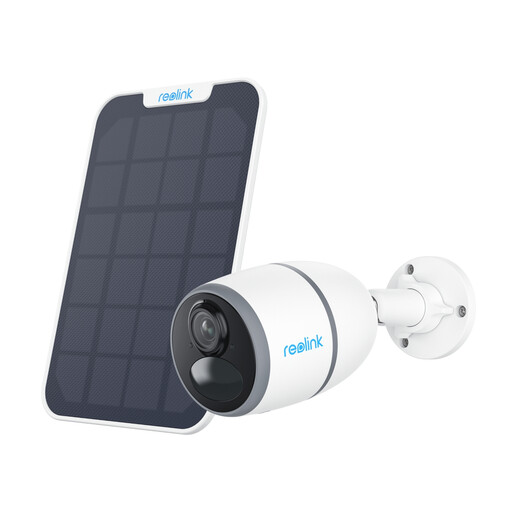
Why it stands out: The Reolink Go G330 is a complete 4G solution designed for autonomy. It combines mobile connectivity, high resolution, and an included solar panel, making it a ready-to-use choice for the most remote locations.
Highlights:
Who is it for? Ideal for owners of second homes, agricultural land, construction sites, or boats who are looking for a reliable, 100% autonomous, and easy-to-install surveillance solution with no existing infrastructure.
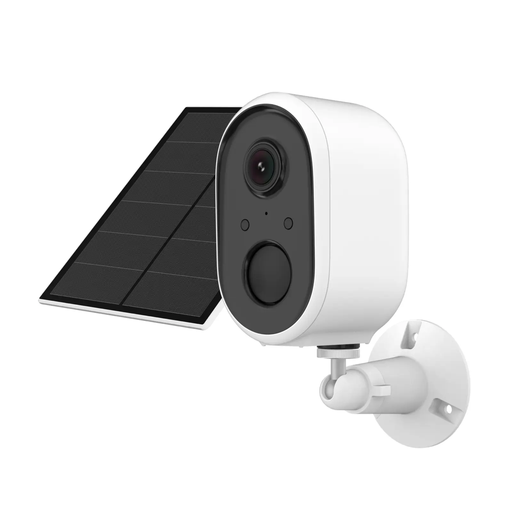
Note: This model operates on 2.4 GHz Wi-Fi, not 4G. It is an interesting solar-powered option if a Wi-Fi connection is available nearby.
Why it stands out: This camera is notable for its integration into the widespread Tuya / Smart Life home automation ecosystem. It offers colour night vision and active deterrence features (siren and spotlight) for enhanced security.
Highlights:
Who is it for? For those who already have a Wi-Fi signal outdoors (garden, garage, outbuilding) and want to integrate their camera into an existing home automation ecosystem for centralised management.
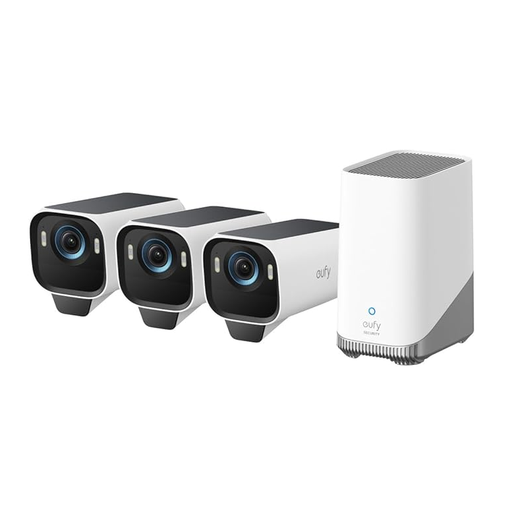
Note: This kit operates via Wi-Fi and connects to a base station (HomeBase). It is aimed at users looking for a complete, high-performance surveillance solution with an existing internet connection.
Why it stands out: The eufy S3 Pro kit focuses on raw performance with 4K resolution and advanced colour night vision technology. Its dual-detection system (radar and infrared) and expandable local storage with no monthly fees make it a robust security system that ensures your data privacy.
Highlights:
Who is it for? For demanding users who prioritise image quality and detection reliability, have a Wi-Fi connection, and prefer a secure local storage system without relying on cloud subscriptions.
Do you have very specific needs and can't find what you're looking for in this selection? Don't worry, there are many other solutions available to suit every situation.
? Discover our full range of battery-powered outdoor cameras without Wi-Fi to explore more options.
A 4G security camera requires a SIM card (usually a nano-SIM) with an active data plan. Data consumption depends on the frequency of detections and the video quality. For moderate use (occasional live viewing and motion-triggered recordings), a plan of 2 to 5 GB per month is often sufficient. Some carriers offer M2M (Machine to Machine) or IoT (Internet of Things) plans, which are often more cost-effective and better suited.
Yes, but its performance depends on the amount of sunlight. During the winter months, with shorter days and more overcast weather, the solar panel will charge the battery more slowly. We recommend placing the panel in a location that receives maximum direct sunlight and periodically checking the battery level. An occasional manual recharge may be necessary during long periods without sun.
The installation of security cameras is regulated by law to protect the right to privacy. You can film your own property (interior, garden, private driveway), but it is forbidden to film public spaces or your neighbours' property. Before any installation, it is essential to familiarise yourself with the current legislation.