
Livraison le jour même ou le lendemain

Qualité garantie

Débloquez vos offres de bienvenue: Livraison GRATUITE | Jusqu'à -80 % | 30 jours d'essai gratuits à JoyPlus
Téléchargez l'application
Monitoring a holiday home, a construction site, or a farm is often a headache: no Wi-Fi connection, and certainly no power outlet nearby. The 4G security camera emerges as the ideal solution. But be warned, the market is full of tempting promises that often hide disappointment. To avoid investing in a disappointing gadget or a financial black hole, it's crucial to sidestep the most common pitfalls.
As the Head of Product Recommendations at Joybuy, I break down these devices for you. Here are the three pitfalls to avoid at all costs.
To avoid being fooled by marketing, focus on objective technical criteria. Here are the three essential points to scrutinize.
A Wi-Fi-free outdoor security camera relies entirely on the mobile network. It must therefore accept a SIM card (usually Nano or Micro format) and be paired with a suitable data plan. Data consumption will depend on your usage (frequency of recordings, live view access, etc.), but a plan with a few gigabytes per month is a good starting point.
For complete peace of mind, opt for a solar-powered 4G camera. The combination of a rechargeable battery and a solar panel ensures a nearly uninterrupted power supply. This is what makes a truly autonomous outdoor camera. Check the panel's power (in Watts) and the battery's capacity (measured in mAh) to ensure they are suitable for the sunlight levels in your region.
A beautiful 2K or 4MP image is nice. But it's useless if the camera triggers randomly. The detection technology is, therefore, the real battleground.
A fixed viewing angle inevitably leaves blind spots. To cover large areas like a car park, warehouse, or field, a motorised 4G camera (known as PTZ for Pan-Tilt-Zoom) becomes almost essential. It allows you to scan a 360° area by controlling the lens from your smartphone. This is a particularly valuable feature for a 4G construction site camera, where the perimeter to be monitored changes as work progresses.
Rather than an overwhelming catalog, we have selected specific models for concrete needs. Find the camera that's right for you.
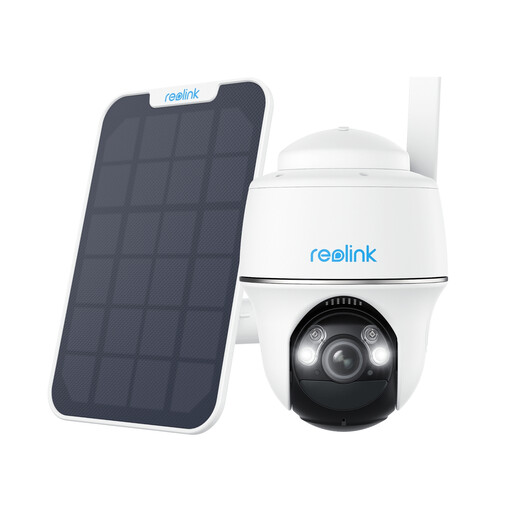
Why it's the right choice: Perfect for professionals who need to keep an eye on a vast, ever-changing area. Its motorised function allows you to adjust the viewing angle remotely, and its vehicle detection is a real asset for tracking activity on a construction site or farm.
Its smart detection (people, vehicles, animals) puts an end to the flood of false alerts. The solar panel comes standard, avoiding the unpleasant surprise of an extra cost to ensure power autonomy.
Motorised coverage (355°/140°) for a complete scan of the area. Solar panel included for maximum autonomy.
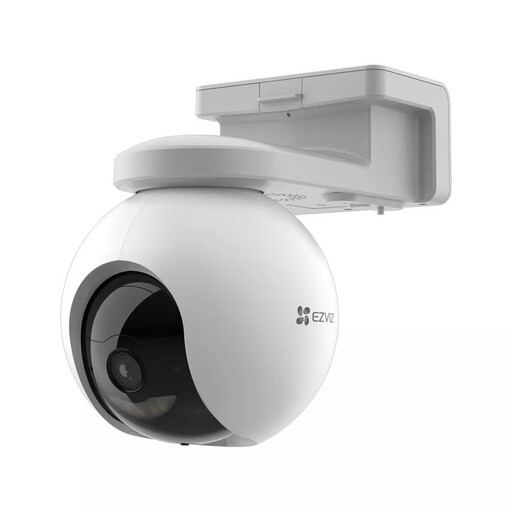
Why it's the right choice: Perfect for scanning a garden or the surroundings of a property. Its function to return to a preset point and its targeted person detection allow you to monitor key access points without being spammed with notifications.
Its large 10,400 mAh battery, combined with a person detection algorithm, optimises energy consumption. This helps you avoid the deceptive battery life trap.
Motorised panoramic view with automatic subject tracking. Built-in GPS to locate it in case of theft.
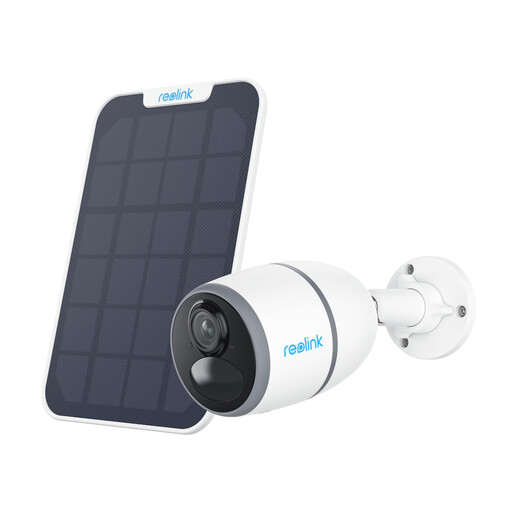
Why it's the right choice: The ultimate "all-in-one" solution for monitoring an entrance, a garden shed, or a dock. You install it and forget about it, thanks to its included solar panel and reliable detection.
The package includes both the camera and solar panel: a turnkey solution with no extra costs. Its smart detection (person/vehicle) saves you from "notification fatigue."
All-in-one package (camera + panel) for a 100% autonomous setup. Smart detection for meaningful alerts.
Discover our full selection of cameras that meet our quality charter and current standards.
It all depends on your usage. For standard monitoring (recordings on detection, a few live view checks per month), a 2 to 5 GB plan is more than enough. If you plan to watch the live feed very often, aim for 10 GB or more. Consider looking into data plans designed for IoT devices, which are often very competitive.
Yes, but its battery life will naturally be reduced. In winter, there is less sunlight and the days are shorter, so charging is less effective. While most cameras can withstand the cold, the performance of lithium-ion batteries drops below 0°C (32°F). For winter use, choose a model with a high-capacity battery and make sure the solar panel is well-positioned and clear of snow.
The physical part is very simple: a few screws are all it takes. The most important part is the setup: insert an activated SIM card, download the manufacturer's app, and follow the guide to connect the camera to the 4G network. The process rarely takes more than 30 minutes. Our advice: test the 4G signal strength at the exact installation spot before drilling any holes.