
Livraison le jour même ou le lendemain

Qualité garantie

Débloquez vos offres de bienvenue: Livraison GRATUITE | Jusqu'à -80 % | 30 jours d'essai gratuits à JoyPlus
Téléchargez l'application
The electric scooter is establishing itself as an essential urban mobility solution: it's cost-effective to run, silent, and far more environmentally friendly than a petrol model. But with an overwhelming number of options and sometimes vague marketing claims, making the right choice can feel like an uphill battle. To help you see things more clearly, we've broken down the pitfalls to avoid and the essential criteria to scrutinise before you pull out your credit card.
The market is full of tempting promises. To avoid buyer's remorse, focus on the right metrics—it's the best way to prevent disappointment and unnecessary expenses.
To properly evaluate a model, three technical criteria must be examined closely. They determine not only the quality but also the legality of your future scooter.
The first thing to do is to verify that the vehicle belongs to the L1e-b category. This European classification designates mopeds with a speed limited to 45 km/h. A road-legal electric scooter must be delivered with its Certificate of Conformity (COC). This document certifies that the vehicle meets all EU safety and environmental standards. It is both a guarantee of quality and the essential key to obtaining your registration certificate (carte grise) from ANTS and taking out insurance.
Range is the heart of the matter, but it must be evaluated pragmatically. For daily commutes of 10 to 20 km, a real-world range of 40-50 km is more than enough. If you plan on longer trips, aim for a long-range electric scooter equipped with a battery of at least 30 Ah.
But range isn't everything: practicality is an equally decisive criterion. A removable battery simplifies charging and allows you to shelter it from the cold in winter, thus optimising its lifespan. Also, remember to check the advertised charging time and the type of charger provided.
While the top speed is limited to 45 km/h, the motor's power, expressed in watts (W), determines the scooter's responsiveness. A 2000W electric moped, for example, will offer much sharper acceleration and climb hills more effortlessly than a 1000W model. This extra torque is a real asset for safety and riding pleasure, especially in heavy traffic.
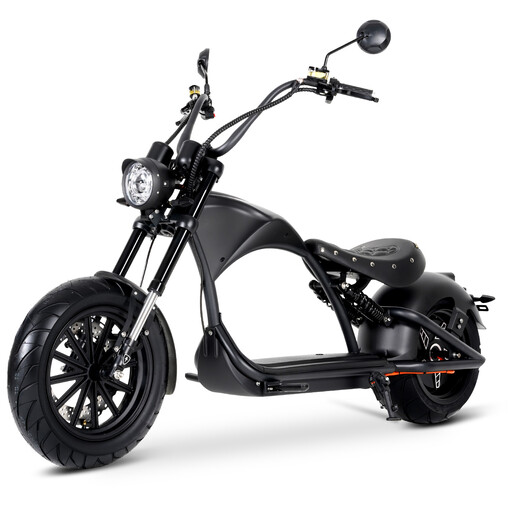
The Editor's Verdict: Perfect for replacing a car on the daily commute. Its mini-motorcycle look, power, and generous range make it a prime ally for commuters, even those in the suburbs.
Delivered with its Certificate of Conformity (COC), registration is a mere formality. Its 60V 30Ah battery is removable, which solves the charging issue for apartment dwellers.
Its 2000W motor ensures punchy starts and excellent hill-climbing performance. The advertised range of up to 80 km is comfortable, and the hydraulic disc brakes provide reassuring braking.
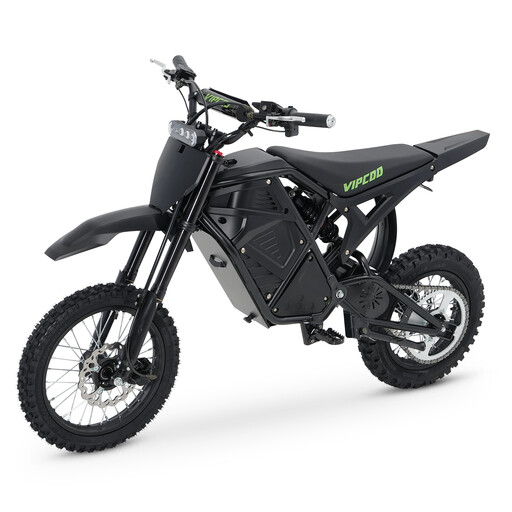
The Editor's Verdict: Designed for thrill-seekers on private land and tracks. Its raw power and suspension system make it the perfect machine for having fun off the beaten path.
The seller is transparent: this model is clearly sold as not road-legal. There's no room for error—it is intended for recreational use on private property only.
A beastly 3500W motor and 220 Nm of torque deliver extreme performance. Its hydraulic suspension and knobby tyres ensure total control in off-road conditions.
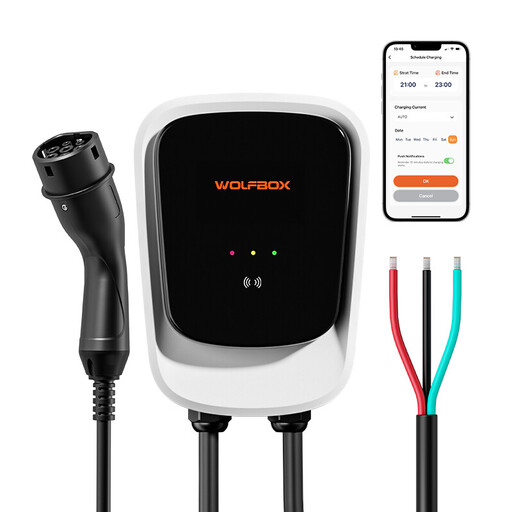
The Editor's Verdict: For anyone switching to electric mobility (whether a car or a two-wheeler), a home charging station quickly becomes essential. It's a smart investment for added convenience and peace of mind.
This station addresses an often-underestimated need: reliable charging infrastructure. It offers a durable and secure solution, a far cry from risky connections or reliance on public charging points.
Its 7 kW power significantly reduces charging time. Control via a mobile app and access via RFID card allow for simple, smart, and secure management.
Discover our full selection of models that meet our selection criteria and French regulations.
It all depends on your year of birth:
Yes, it is a legal requirement. Just like a 50cc petrol scooter, an electric equivalent must be registered to be ridden on public roads. The process is done online on the ANTS (Agence Nationale des Titres Sécurisés) website. You will need the Certificate of Conformity (COC), the purchase invoice, and proof of identity. Once your application is approved, you will receive your registration certificate (the famous carte grise) and can have your number plate fitted.
The lifespan of a lithium-ion battery is measured in charge cycles (one cycle = one full discharge and recharge). On average, a quality battery retains over 80% of its original capacity after 500 to 1000 cycles, which translates to several years of worry-free use. To preserve it, avoid deep discharges, never store it when fully depleted, and protect it from extreme temperatures (both frost and heatwaves).