Choosing the right backpack for a multi-day trek can often be overwhelming. A 40-litre volume is ideal for 2 to 3-day getaways, but be warned: not all packs in this size category are created equal. Behind the marketing jargon lie details that can turn a great adventure into a total nightmare. As a product expert at Joybuy, I'm here to break it all down for you and help you identify the criteria that truly make a difference.
Before you make your choice, here are 3 common pitfalls to avoid so you don't regret your purchase (and your hike):
- The "False Comfort" Trap: Thick shoulder straps are no guarantee of long-term comfort. Without a proper structure to distribute the weight, the entire load will press on your shoulders, causing fatigue and pain. A good trekking backpack must, above all, transfer the majority of the weight to your hips.
- The "Giant Carry-All" Illusion: A large 40-litre bag with no compartments? That's a classic bad idea. You'll spend your time emptying everything just to find your fleece jacket or a snack. Gear access and organisation options are just as crucial as the total volume.
- The Waterproofing Promise: Be wary of the term "water-repellent." It means the pack can resist a light drizzle, and that's it. In the mountains, where the weather can change in the blink of an eye, this is rarely enough. A true waterproof camping backpack must have a deeply treated fabric or, at the very least, an integrated rain cover.
The Essential Criteria for a 40L Trekking Backpack
To make the right choice, forget the gadgets and focus on the pack's core mechanics. Here are the 3 pillars of excellent hiking gear.
1. The Carry System: The Frame and Hip Belt
This is THE number one criterion for a 2-3 day hiking backpack. A good carry system is designed to transfer weight from the shoulders to the pelvis, an area far better suited to bearing the load.
- Backpack with a Frame: Prioritise models with an internal frame, often made of aluminium. This rigid yet lightweight structure runs along the back and gives the pack its shape. It is essential for efficiently transferring weight to the hip belt. Without this frame, the pack sags and the entire weight pulls painfully on your shoulders.
- Hip Belt: It should be wide, padded, and sit snugly on your hip bones. This is what receives the load transferred by the frame. A simple nylon strap is useless: demand a real, structured belt.
2. Ergonomics and Gear Access
An ergonomic backpack must adapt to your body and make life easier on the trail.
- Multiple Adjustments: Ensure the shoulder straps, sternum strap, and hip belt are fully adjustable. Some packs even offer back panel height adjustment for a custom fit—a real bonus for a unisex trekking backpack that needs to fit all body types.
- Access and Compartments: Top-loading access is standard, but front access (via a large U-shaped zipper) is a real luxury that saves you from having to empty everything. Stretch side pockets for water bottles, hip belt pockets for your phone or snacks, and external straps for attaching a sleeping pad or trekking poles are details that make all the difference on the trail.
3. Durability and Weather Protection
Your pack will take a beating: dropped on the ground, scraped against rocks, soaked by rain...
- Fabric: High-density nylon or polyester fabrics (expressed in deniers, like 600D or 900D) ensure good abrasion resistance. A reinforced bottom panel is also a significant plus.
- Rain Protection: Check if a rain cover is included. If not, plan to buy one separately—it's essential. Weather-resistant zippers or those protected by a fabric flap are also a good indicator of design quality.
Our Top Backpack Picks
Rather than an endless list, here is a targeted selection for different profiles, always based on our objective criteria.
PROFILE: THE DEDICATED TREKKER
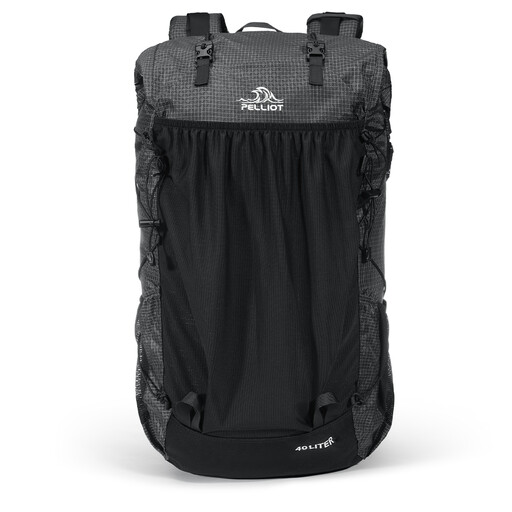
Why we recommend it: This model is a pure trekking product. It incorporates all the essential technical features for multi-day hikes with a moderate load and checks all the boxes for someone seeking reliable, no-frills gear.
The trap it avoids
It avoids the "false comfort" trap thanks to its integrated alloy frame and dynamic harness system, which transfer weight to the hips, reducing fatigue over long distances.
Its key strength
Its highly technical carry system (harness, ventilated back, lumbar belt) is its real asset. The multiple external attachment points allow you to secure poles, a sleeping pad, and other gear.
PROFILE: THE VERSATILE HIKER
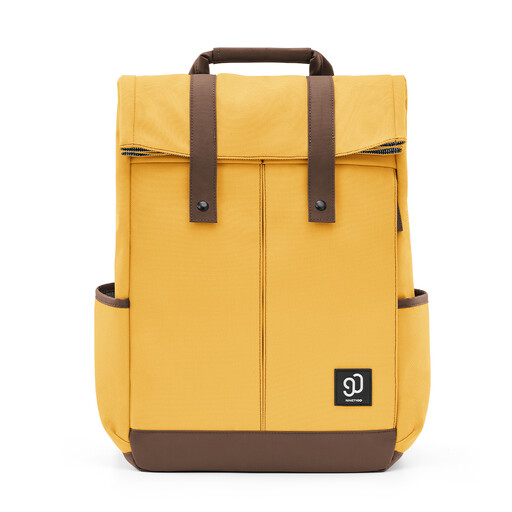
Why we recommend it: The perfect option for those who juggle city life, travel, and day hikes. It lacks the technical frame of a dedicated trek pack, but its robustness and volume make it perfect for moderate loads.
The trap it avoids
It avoids the fragility trap with its ultra-tear-resistant 900D reinforced fabric. Its level-4 water-repellent finish offers above-average protection for unexpected showers.
Its key strength
Its versatility. Its internal organisation, designed for daily use (laptop, accessories), doesn't sacrifice the volume needed for a day trip or a weekend getaway.
Need More Options?
Explore our full selection of backpacks that meet our strictest quality and safety criteria.
Frequently Asked Questions (FAQ)
What's the difference between a 40L trekking backpack and a 40L travel bag?
It all comes down to the carry system. A 40L trekking backpack is equipped with a frame and a structured hip belt to transfer weight to the hips, which is crucial for walking for hours. A travel bag, on the other hand, focuses entirely on volume and ease of access, with a simplified carry system designed for short trips (e.g., from the airport to the hotel).
Is a 40L trekking backpack suitable for both men and women?
Yes, most 40L models are unisex. The key is full adjustability: a good unisex trekking backpack must allow you to adjust the back height, shoulder straps, and hip belt to fit different body types. Some brands even offer "women's" models, with shoulder straps and a hip belt designed for their specific anatomy.
How do I properly adjust my trekking backpack for optimal comfort?
- Loosen everything. Load your pack with 7 to 10 kg (15-22 lbs) to simulate a real load.
- Position the hip belt. It should rest on the top of your hips (on the iliac crest). Tighten it firmly, but without cutting off your circulation. It should support most of the weight.
- Adjust the shoulder straps. Tighten them so they conform to your shoulders, but without the weight pressing down on them.
- Tighten the load lifters. These are the small straps at the top of the shoulder straps. Tightening them pulls the pack closer to your back for better stability.
- Fasten the sternum strap. Clip it across your chest. It prevents the shoulder straps from spreading apart and stabilises the entire load.