
Livraison le jour même ou le lendemain

Qualité garantie

Débloquez vos offres de bienvenue: Livraison GRATUITE | Jusqu'à -80 % | 30 jours d'essai gratuits à JoyPlus
Téléchargez l'application
Embarking on a multi-day trek requires careful preparation, and choosing a backpack is arguably the most crucial decision. A 40-litre capacity is often considered the sweet spot for trips lasting 2 to 3 days. The problem is, the market is saturated with marketing promises that can easily lead to buyer's remorse. As product experts at Joybuy, our mission is to help you decode the spec sheets to make an informed choice based on tangible criteria.
But before we break down the essential features, let's review the common pitfalls that await the unsuspecting hiker.
For a multi-day trekking backpack, three parameters are non-negotiable. They determine the comfort, durability, and practicality of your gear.
The core of the backpack is its ability to distribute weight. For a 40-litre volume, an effective harness system is indispensable.
A unisex 40L backpack is more than just one big sack. Good organisation will save you precious time on the trail.
The durability of your pack depends directly on the fabrics it's made from.
Because every hiker is unique, here are a few models that meet specific needs, all while avoiding the pitfalls we've just discussed.
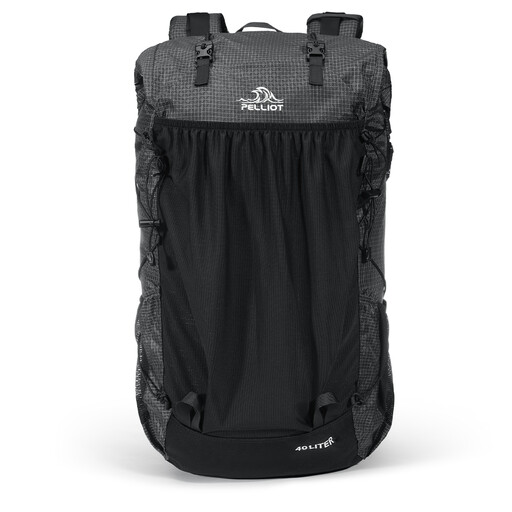
Who is it for? Specifically designed for 2-3 day treks, this pack focuses on carrying comfort with moderate loads—an essential point for going the distance.
It incorporates an alloy support frame, which directly counters the pitfall of a structureless 'ultra-light' pack. The weight is efficiently transferred to the hips, preventing shoulder fatigue.
Its dynamic harness system, with shoulder straps that follow your walking motion, and its 3D breathable back panel offer comfort and ventilation optimised for prolonged exertion.
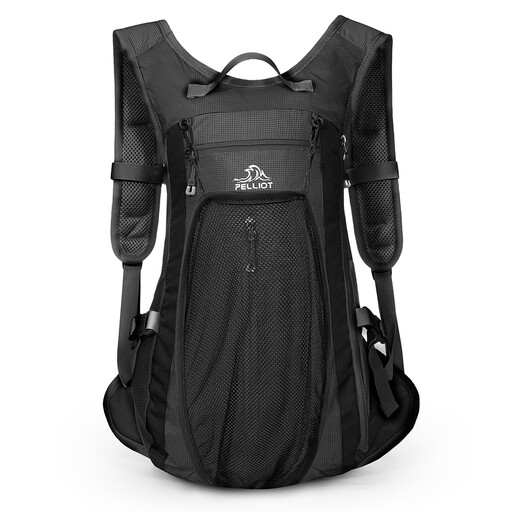
Who is it for? For fast-paced outings or day hikes, a 40L pack is overkill. This 20L model is lightweight, stable, and offers quick access to essentials without being burdened by unnecessary volume.
It doesn't pretend to be a trekking pack. Its S.L.F. (Stable, Lightweight, Fast-access) design is optimised for mobility, avoiding the trap of a pack that's too large and ill-suited for light use.
Its feather-light weight and close-fitting ergonomic design ensure maximum stability with no bouncing. A real plus for dynamic activities like fast hiking or trail running.
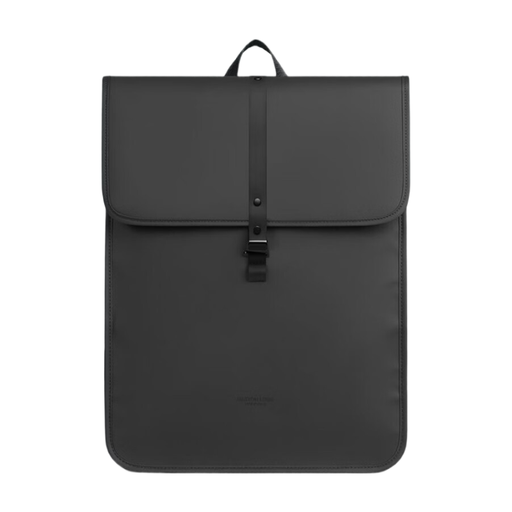
Who is it for? Perfect for those seeking an everyday bag (commute, work) that can also handle a weekend getaway, all with an understated style and durable materials.
It doesn't market itself as a serious hiking pack. It's clear about what it is: an 18L bag with a laptop compartment and a waterproof coating, which allows it to avoid the trap of falsely technical 'lifestyle' bags.
Its recycled polyester construction and waterproof TPU coating make it a sustainable and more eco-friendly choice, without compromising on the protection of your belongings.
We have compiled a complete and up-to-date selection of products that meet these demanding selection criteria and current standards.
A good fit is the key to comfort. Start by loosening all the straps. Position the hip belt on your iliac crest (the top of your hip bones) and tighten it firmly. Next, adjust the shoulder straps to bring the pack snug against your back. Finally, adjust the load lifter straps (located at the top of the shoulder straps) and the sternum strap to stabilise the load. The majority of the weight should rest on your hips, not your shoulders.
Yes, for most hikers with partial self-sufficiency (staying in huts or lodges) during the warmer months, 40 litres is a perfectly suitable volume. It allows you to carry a change of clothes, food for 2-3 days, a first-aid kit, a water bladder, and basic gear. For a trek with full self-sufficiency including a tent, sleeping bag, and stove, a volume of 50 litres or more will be more comfortable.
The main difference lies in the ergonomics of the harness system. Women's models typically have a shorter back panel, suited to a shorter average torso length. The shoulder straps are often more contoured (S-curved) and set closer together to avoid chafing the chest, and the hip belt is angled differently to better conform to the shape of the hips. Choosing a model adapted to your body shape is a true guarantee of comfort.