
Livraison le jour même ou le lendemain

Qualité garantie

Débloquez vos offres de bienvenue: Livraison GRATUITE | Jusqu'à -80 % | 30 jours d'essai gratuits à JoyPlus
Téléchargez l'application
Preparing for a multi-day trip requires reliable gear, and the backpack is its cornerstone. A 40-litre capacity is often considered the sweet spot for 2-to-3-day outings. The problem? The market is flooded with models making often-misleading marketing claims. The wrong choice can quickly turn an idyllic hike into a total nightmare.
As a product expert at Joybuy, my role is to help you cut through the noise. Together, we'll break down the common pitfalls and essential technical criteria to ensure your investment is smart and long-lasting, without you getting fooled by marketing jargon.
Before we even get into the technical details, let's review the classic mistakes that lead straight to disappointment.
comfortable framed backpack must be perfectly suited to your body shape, specifically your torso length. A "one-size-fits-all" model is rarely a good solution for trekking, as a poor fit concentrates pressure in the wrong places, completely negating the effectiveness of the carry system.To make the right choice, focus on these three non-negotiable technical aspects.
Contrary to popular belief, the comfort of a trekking pack doesn't come from padded shoulder straps, but from its ability to transfer weight from your shoulders to your hips. This is precisely the role of the frame.
multi-day hiking pack.A 40-litre pack can quickly turn into a chaotic mess. A well-thought-out layout is therefore crucial for accessing your gear without having to empty everything.
A men's trekking backpack or women's model must be able to withstand abrasion against rocks and surprise downpours.
waterproof camping backpack or a separate cover is almost mandatory. Durable Water Repellent (DWR) coatings are useful, but their effectiveness diminishes over time.Let's get practical with a few models that check all the boxes for different types of hikers.
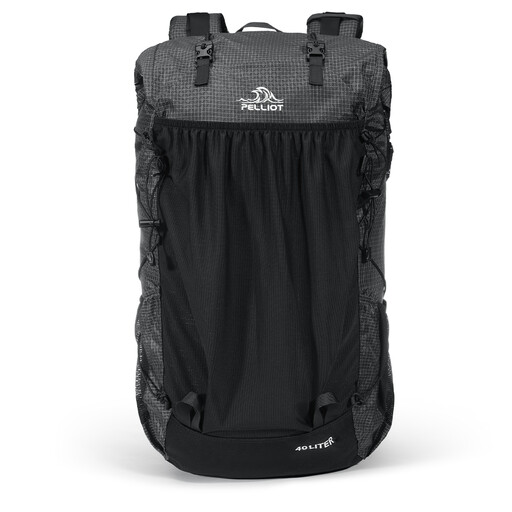
Why it's for you: Perfect for those seeking the Swiss Army knife of backpacks for their weekend getaways. It offers an excellent balance of volume, carrying comfort, and smart storage, all without sacrificing durability.
It incorporates a genuine alloy frame that distributes the load onto the hips. Say goodbye to the trap of a deceptively light pack that breaks your back!
Dynamic carry system that adjusts the shoulder strap angle while you walk; breathable 3D back panel for enhanced ventilation.
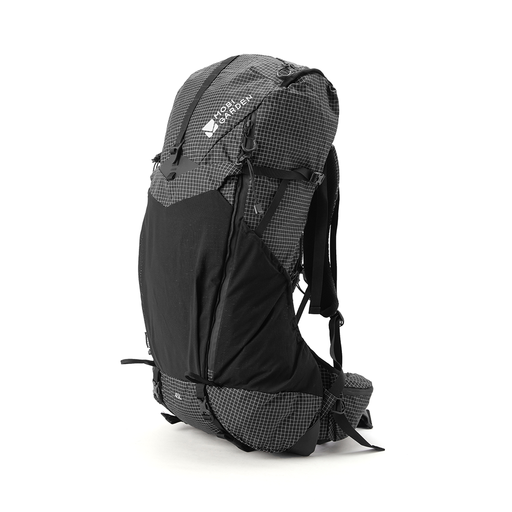
Why it's for you: Designed for gram-counters who refuse to compromise on durability. The Dyneema fabric, the gold standard for lightness and strength, makes it a prime ally for the most demanding terrain.
Here, lightness isn't a gimmick. It comes from a cutting-edge material (Dyneema) and is paired with a real carry structure featuring a suspended back. It's nothing like cheap, shapeless "ultralight" packs.
Extremely tear and abrasion-resistant Dyneema composite fabric; 3D suspended back panel for maximum ventilation.
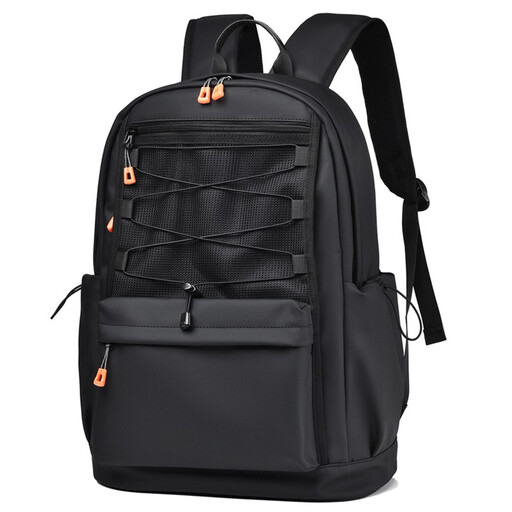
Why it's for you: The smart option for beginners or for day hikes with a light load. Highly versatile, it's just as suitable for travel as it is for daily use.
Its positioning is clear: this is a pack for occasional use. It thus avoids the over-equipping trap, saving you the cost of superfluous technical features for casual outings. Simple, direct, and effective.
Simplicity and lightness; numerous pockets for effective basic organisation; adjustable shoulder straps for decent comfort over short distances.
We've put together a complete selection of backpacks that meet our demanding selection criteria.
The real difference isn't about colour or style, but ergonomics. A women's 40l hiking backpack is designed to fit a generally different body shape:
Yes, 40 litres is the perfect volume for a 2-to-3-day trip, provided you're smart about your gear. This means choosing compact equipment (sleeping bag, pad) and only taking the essentials. For fully self-sufficient treks or in cold conditions (which require bulkier clothing), a 50-litre model will offer more flexibility.
A fine-tuned adjustment is the key to preventing back pain. Follow these steps, with the pack already loaded with some weight: