
当日/次日达

品质保障

开启新人专享福利: 全场免邮 | 低至 2 折 | 免费试用 30 天 JoyPlus 会员
下载 Joybuy
A 3M door draught excluder can make a room more comfortable, help keep dust out and reduce certain noises between two spaces. However, not every model is suitable for every door. The type of flooring, the height of the gap beneath the door and the fixing system all play a decisive role.
Before placing your order, it is therefore worth checking a few practical criteria rather than relying solely on the insulation claims displayed on the packaging.
An adhesive door seal designed for smooth flooring may struggle to stay in place on highly textured tiles, carpet or a dusty surface. Conversely, a rigid strip may rub against uneven parquet or an older floor.
Brush or flexible membrane models generally adapt better to floors with changes in level. Before ordering, take the time to clearly distinguish between a door seal for smooth or uneven flooring.
A length of 93 cm does not mean that the product can fill any gap. This measurement refers to the width to be trimmed, while the maximum gap-filling height depends on the model.
According to their product specifications, the references featured here cover gaps of up to 15, 25, 30 or 60 mm. A seal that is too short or too thin will let draughts through. Conversely, a model that is too bulky may hinder the opening and closing of the door.
Even a long-lasting adhesive cannot compensate for a greasy, damp or dusty floor. Poor preparation can cause the seal to come away prematurely, particularly in a busy room.
For adhesive installation, the surface must be clean, dry, degreased and even. On a door subject to repeated friction or installed on a difficult surface, a screw-on door draught excluder will generally provide a more stable fixing.
Measure the width of the door where the draught excluder will be installed. The 93 cm models can generally be trimmed with a suitable saw. For a narrower door, make a clean cut without stretching the strip or brushes.
Next, measure the space between the bottom of the door and the floor in several places. If the height varies significantly, choose a brush or flexible membrane model rather than a rigid seal.
Before installation, check that the door draught excluder does not create excessive resistance. Constant pressure against the floor can accelerate wear, interfere with the lock or eventually deform the door.
Some product specifications claim a reduction of up to 80% of draughts beneath the door and an effective lifespan of several years. These figures relate to the information provided for the relevant references. They depend in particular on the quality of the installation, the condition of the surface and how intensively the product is used.
A door bottom draught excluder can help limit draughts, dust and sound transfer. However, it is not a substitute for fully insulating the door, walls or windows. In a damp room, also check whether the model has a membrane or brush suitable for this environment.
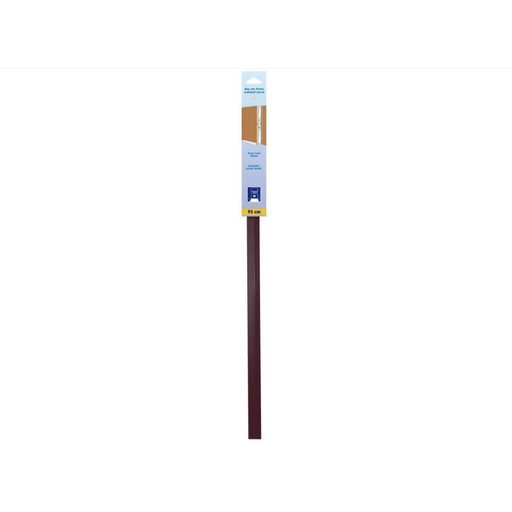
Why this choice suits this profile : This adhesive model is suitable for a first installation on a smooth indoor floor, such as parquet, laminate, tiles or PVC.
The product specifications confirm its compatibility with smooth floors and state a maximum gap of 15 mm. Both are easy points to check before installation.
93 cm length, can be trimmed and features the high-adhesion 3M adhesive specified in the product details.
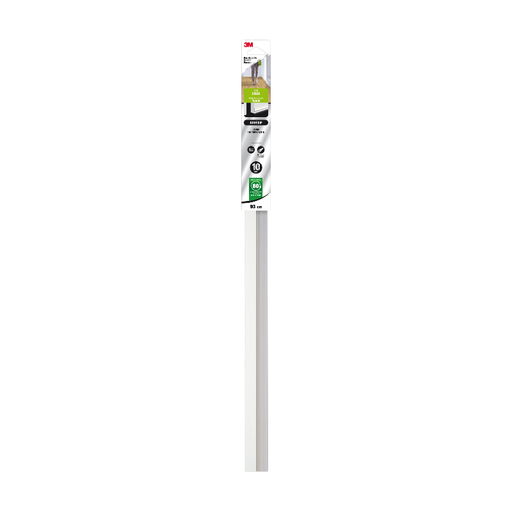
Why this choice suits this profile : Its white housing and transparent strip blend discreetly into a residential or professional interior with even flooring.
It is explicitly intended for smooth surfaces and, according to the product details, covers gaps of up to 15 mm : two limits to check before buying.
Flexible transparent strip, can be trimmed to the desired length and an advertised effective lifespan of at least 10 years.
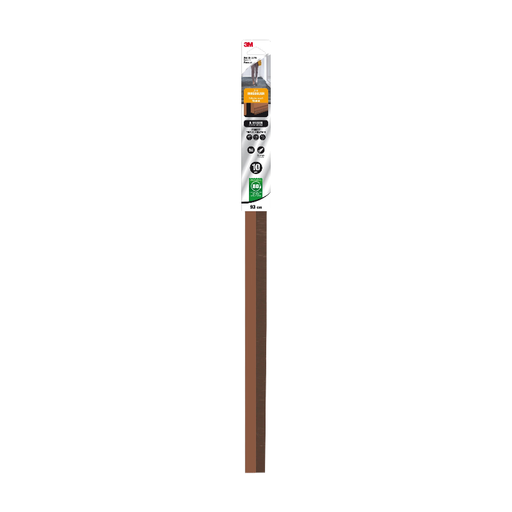
Why this choice suits this profile : Screw fixing is suitable for doors that are opened and closed frequently, as well as uneven floors where adhesive alone may not be reliable enough.
Its two rows of brushes and slim membrane are designed to follow uneven areas of the floor, unlike a rigid strip.
White aluminium profile, screw fixing and advertised suitability for gaps of up to 15 mm on uneven floors.
We have put together a complete, real-time updated selection of products that meet these demanding criteria while complying with European safety regulations.
For an adhesive model, close the door and position the seal without removing the protective film straight away. Check that the strip touches the floor without bending. Then clean the surface with a suitable product, allow it to dry and apply the seal gradually, pressing firmly as you go.
For a screw-on model, mark the fixing points, check the alignment and avoid tightening the screws so much that the profile becomes deformed. Cutting with a fine-toothed saw produces cleaner ends.
Clean the strip or brushes regularly with a slightly damp cloth. Abrasive products and solvents can damage the material or affect the adhesive. If the seal comes away, frays or rubs heavily, check its alignment and the condition of the floor again.
Choose a brush and membrane model, either adhesive or screw-on depending on the level of stability required. Products designed for very uneven floors claim to cover gaps of up to 25 to 30 mm, while some standard models stop at 15 mm.
Measure and cut the product to the width of the door, then clean and dry the surface thoroughly. Position the seal with the door closed, remove the protective film and press along the entire length. Good adhesion depends directly on the cleanliness and evenness of the surface.
Its lifespan varies depending on the number of times the door is used, friction, humidity and the quality of the installation. The specifications for the selected references generally state at least 5 years, while some models claim up to 10 years of effectiveness under the intended conditions. These indications do not constitute a guarantee that applies identically to every installation.