
Livraison le jour même ou le lendemain

Qualité garantie

Débloquez vos offres de bienvenue: Livraison GRATUITE | Jusqu'à -80 % | 30 jours d'essai gratuits à JoyPlus
Téléchargez l'application
A 3M adhesive door draft stopper can reduce draughts, dust and some of the noise that passes under your door, all without drilling. But you need to pick the right one: a poorly suited model may peel off quickly, hinder the door from opening, or leave a gap beneath the door panel. The right choice depends above all on your home's actual setup, not just the brand or a promise of insulation.
A rigid model with a flexible blade is generally suitable for a smooth floor: varnished parquet, laminate, PVC, vinyl or polished concrete. On uneven tiles, an old floor or a surface with bumps, the blade may not make contact with the floor everywhere.
In this kind of setup, it's better to go for a brush door bottom seal, which adapts more easily to floor variations. Product descriptions often distinguish between models designed for smooth, uneven or very uneven floors.
A 93 cm door seal can be cut down to fit a standard door, but always measure the width of the door panel before ordering. A cut that's too short will leave an unprotected area; on the other hand, an excessive length can stop the door from closing properly.
Also check the height of the gap under the door. Models advertised for gaps up to 15 mm, 25 mm or 30 mm are not interchangeable.
Even a strong adhesive won't stick well to a dusty, greasy, damp surface or one covered in cleaning product residue. The surface must be cleaned, thoroughly dried, and then left to rest according to the manufacturer's instructions.
On painted, porous, heavily textured or crumbly floors, the adhesive can lose its grip quickly. Test it on a small, inconspicuous area before proceeding with the final installation.
For a door draft stopper for smooth floors, a transparent, flexible blade offers a discreet finish and continuous contact with the floor. It's particularly suitable for interior doors leading to a bedroom, study or living area.
For a door draft stopper for uneven floors, double rows of brushes combined with a membrane follow small level variations better. If the floor is very uneven, look for a model specifically designed for this purpose, with sufficient compensation range.
Measure the space between the bottom of the door and the floor at several points. A significant difference between the two sides may indicate that the floor or door isn't perfectly parallel.
Models that can seal a gap of up to 15 mm are suitable for moderate gaps. For a larger gap, a brush or triple-insulation model will often be more appropriate. The air passage reduction values mentioned below come from the product descriptions; they don't guarantee identical results in every home.
A length of 93 cm gives a comfortable margin for many interior doors. Cutting is usually done with a saw, or even scissors for flexible parts. Measure twice before removing the protective film.
The 3M adhesive allows for drill-free installation, but the fitting may become permanent on some models. If you're a tenant or want to preserve the door, read the removal conditions carefully before sticking the product on.
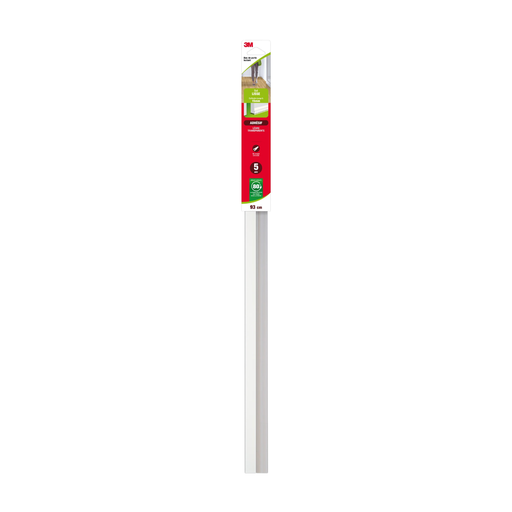
Why this choice suits this profile: Its self-adhesive fitting and 93 cm length make it a simple solution for a first installation on parquet, laminate, PVC or polished concrete.
The description specifies its compatibility with smooth floors and advises against uneven surfaces, which reduces the risk of choosing the wrong model.
Transparent lip, can be cut to size, and advertised to seal gaps up to 15 mm.
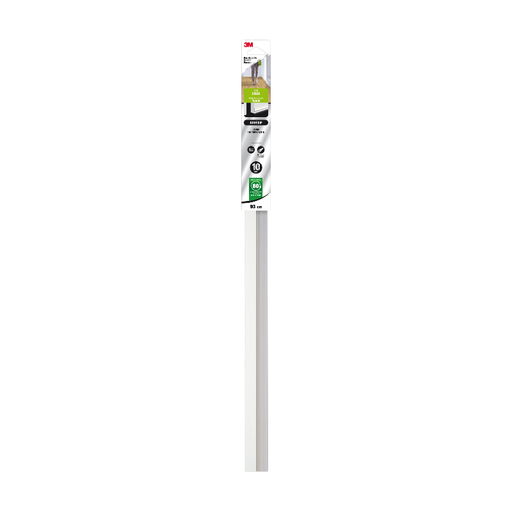
Why this choice suits this profile: It combines a discreet white finish with a transparent blade, for interiors where aesthetics matter as much as protection against draughts.
Its design for smooth floors avoids presenting a rigid blade as a universal solution suitable for all floor types.
Length of 93 cm, advertised gap up to 15 mm, and an effectiveness duration of at least 10 years as stated on the product description.
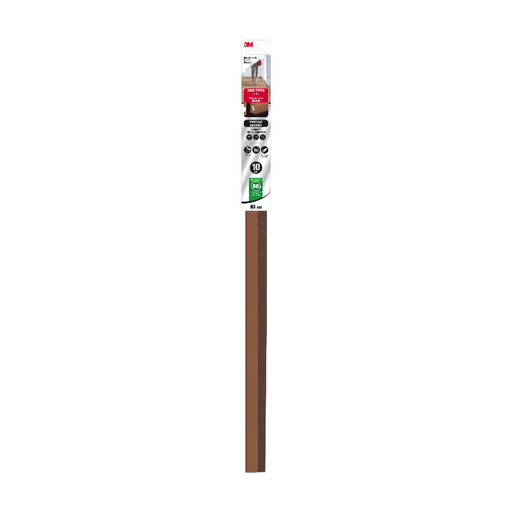
Why this choice suits this profile: Doors leading to an old, uneven floor or subject to frequent use can benefit from a brush and membrane system.
It is explicitly advertised for all floor types, including the most uneven ones, rather than relying on a blade reserved for flat surfaces.
Advertised compensation up to 25 mm, adhesive fixing, and stated as manufactured in France.
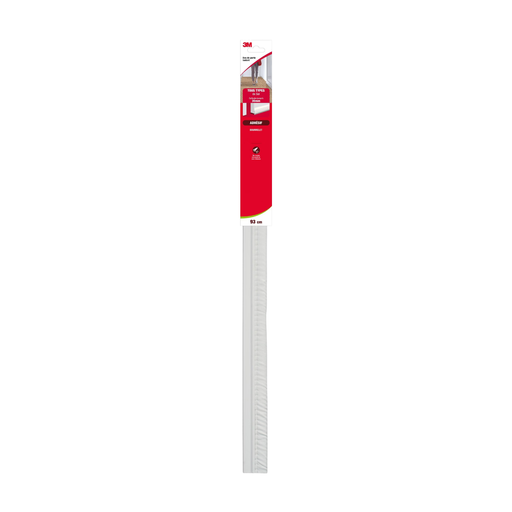
Why this choice suits this profile: Its double row of brushes is designed for doors facing significant level differences, whether in a home or a commercial space.
The description states it is intended for very uneven floors and indicates cutting with a saw or scissors, allowing you to anticipate installation constraints.
Advertised sealing up to 30 mm and described as protecting against air, noise and moisture.
Avoid harsh cleaners on the blade and adhesive. A regular check helps you spot a lifting edge, a flattened brush or a build-up of dust.
No. Blade models are mainly intended for smooth floors. For an uneven floor, choose a brush system or a model explicitly designed to compensate for significant differences.
The lifespan depends on how often the door is opened, how clean the surface is, humidity and friction. Some product descriptions state an effectiveness of at least 5 or 10 years, but this indication should be considered alongside the actual installation and usage conditions.
A properly sized door bottom insulator can limit the passage of air, dust and some of the noise transmitted through the gap underneath. However, the result depends on the overall sealing of the door, the walls and other openings in your home.