
Livraison le jour même ou le lendemain

Qualité garantie

Débloquez vos offres de bienvenue: Livraison GRATUITE | Jusqu'à -80 % | 30 jours d'essai gratuits à JoyPlus
Téléchargez l'application
Looking to give your interior a fresh new look without committing to a massive renovation? The 3D wall panel has become the go-to solution for instantly transforming a room. But beware: with an overwhelming number of options on the market, it's easy to make a mistake that can turn a dream project into a real disappointment. Adhesive that gives way after a few weeks, plastic that yellows prematurely, a nearly non-existent texture... setbacks are common. This guide is here to arm you against these traps and help you make the right choice.
Before you pull out your credit card, let's review the technical details that separate a quality product from a low-end solution. A little vigilance now will save you a lot of headaches later.
This is the heart of the matter. The material determines not only the look of your 3D wall cladding but also its durability.
The promise of easy installation is one of the main selling points of decorative wall panels. Most models are self-adhesive (the famous "peel and stick" method). However, be aware that the quality of integrated adhesives varies dramatically. For critical areas like a backsplash behind a hob or on shower walls, a manufacturer-guaranteed, reinforced adhesion is non-negotiable. For heavier PVC panels, adding a specific mastic adhesive is often the secret to an installation that stands the test of time.
It's the texture we're buying them for, after all! A stunning 3D effect comes down to two things: the depth and the sharpness of the pattern. Unfortunately, this information is rarely specified on product pages. The best approach? Scrutinise lifestyle photos and look for terms like "deep relief" or "pronounced texture." A panel that's too thin will result in a flat, disappointing look—a far cry from the wow factor you want for your living room wall decor.
To move from theory to practice, here are a few products that check all the boxes, suited for different needs and budgets.
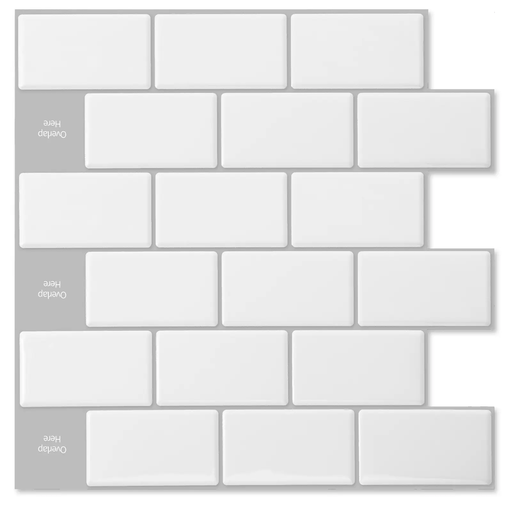
The Profile: Ideal for giving a kitchen or laundry room a fresh update without the hassle. The "subway tile" format is a timeless classic, and the self-adhesive installation promises a radical transformation in just a few hours, even for a novice DIYer.
No more worrying about peeling adhesive! This model features an industrial-grade glue that guarantees a perfect, bubble-free hold, even in humid environments.
Its thick 3D gel texture offers a stunningly realistic ceramic finish. The material is also designed to resist heat and prevent yellowing over time.
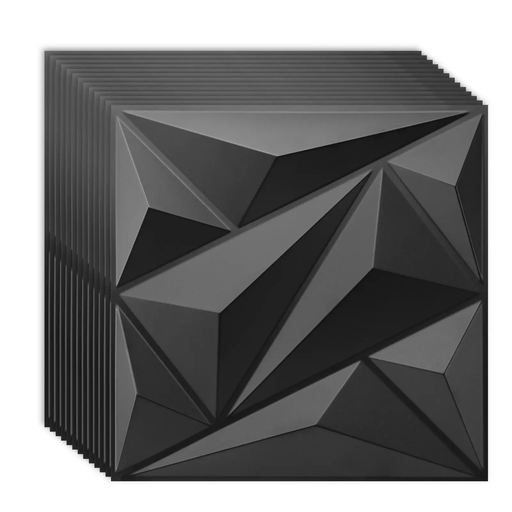
The Profile: The secret weapon for creating a statement accent wall in a living room, bedroom, or commercial space. Its highly graphic black diamond pattern catches the light and sculpts the space with dynamic plays of shadow.
Say goodbye to a "cheap" 3D effect! Here, the texture is truly pronounced. The rigid PVC ensures the pattern won't sag and will maintain its stunning appearance for years to come.
Made from high-quality PVC, it is lightweight, water-resistant, and fire-retardant. Cutting it is a breeze, and it can be easily installed with a suitable adhesive.
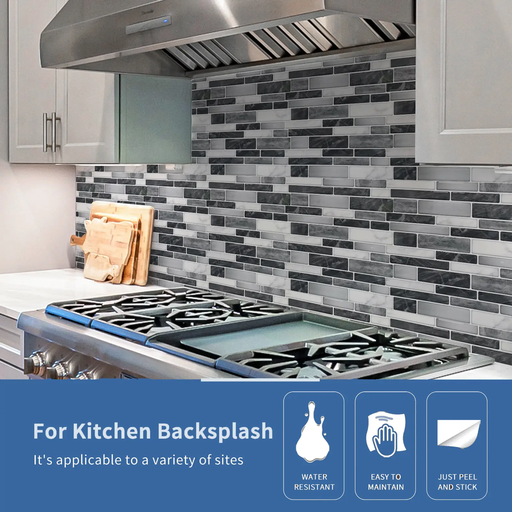
The Profile: Specially designed for the most exposed areas like the kitchen or bathroom. It combines the look of textured tile with the simplicity of an adhesive installation, all with a formula engineered to withstand both moisture and stains.
To combat premature ageing, this model relies on dual protection: a thickened protective gel layer and a next-generation adhesive. The result: an unfailing hold, even in the heart of the shower.
Its non-porous surface can be cleaned with a simple wipe of a sponge. It offers excellent resistance to scratches, humidity, and everyday stains.
Explore our full selection of products that meet our quality criteria and current safety standards.
It all depends on the quality of the panel and the care taken during installation. A good product, installed on a clean, smooth, and completely dry wall, can easily last for many years. For wet areas, always opt for ranges designed to resist moisture, which feature a reinforced adhesive.
Generally, no. For perfect adhesion, the surface must be smooth, clean, dry, and non-porous. Painted walls (where the paint has been dry for several weeks), old smooth tiles, glass, or metal are ideal. Absolutely avoid grainy, dusty, or freshly painted surfaces, as they will compromise the adhesive's hold. The golden rule: always degrease and dry the wall before you begin.
On the contrary, that's one of their biggest advantages! The non-porous surface of PVC or vinyl can be cleaned in an instant with a soft sponge and a neutral detergent. It's a particularly hygienic and practical solution, especially for a kitchen backsplash that is exposed to daily cooking splatters.