
Livraison le jour même ou le lendemain

Qualité garantie

Débloquez vos offres de bienvenue: Livraison GRATUITE | Jusqu'à -80 % | 30 jours d'essai gratuits à JoyPlus
Téléchargez l'application
The 3D wall panel has become the go-to solution for transforming an interior without major renovations. It promises to add depth, character, and a modern touch to a living room, bedroom, or even a bathroom. But be warned: behind their aesthetic appeal lie a few pitfalls that can quickly turn a design project into a real headache. To avoid disappointment, here are the essential points to check before you get started.
To avoid these pitfalls, focus on a few reliable technical criteria. They will help you assess a product's quality and suitability for your 3D wall decor project.
The choice of material directly impacts the look, longevity, and maintenance of your wall.
Ease of installation is a key selling point. A well-designed 3D wall panel should be installable even by a DIY novice.
Before checking out, get out your tape measure. Measure the height and width of the wall to calculate its area in square metres (m?). Then, carefully check the total area covered per pack of panels—this is far more reliable information than just the number of tiles. Pro tip: always add a 10% margin for cuts and potential mistakes.
To put theory into practice, here are a few options that exemplify these criteria, suited for different needs and projects.
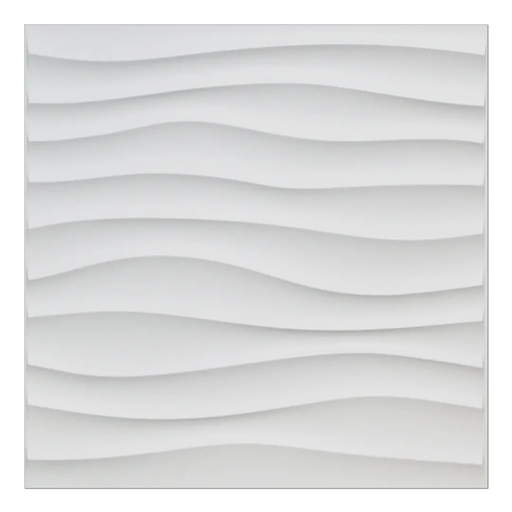
Why we chose it: Perfect for tackling large areas like a living room wall or a hallway. The 50x50 cm format speeds up installation and simplifies calculations, while the 12-pack covers approximately 3 m?, offering great coverage for the price.
By clearly stating the covered area (3 m?), this pack helps you avoid any nasty surprises when calculating surface area. Its PVC, both flexible and durable, is a much better choice than fragile, low-end foam.
Large format (50x50 cm) for quick installation and optimised coverage.
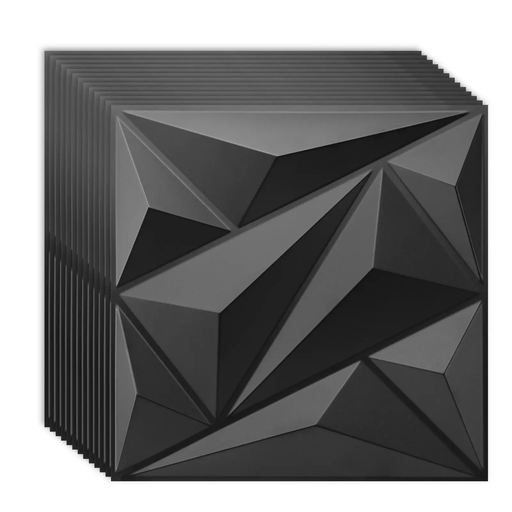
Why we chose it: Ideal for creating a dramatic focal point, such as a headboard or the wall behind a TV. The embossed diamond pattern and black finish lend immediate character and depth to the room.
Made from quality PVC, this panel resists warping and discolouration, unlike low-end materials. This ensures a lasting effect without unpleasant surprises.
Textured 3D design and elegant black finish for a strong visual impact.
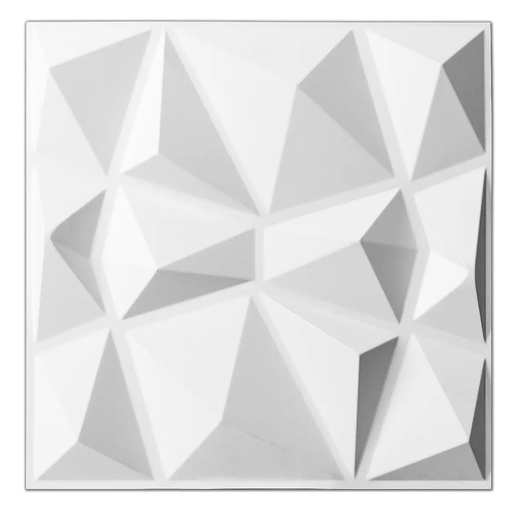
Why we chose it: Made from highly rigid PVC, this panel is advertised as water and heat-resistant. Its white colour and ease of cleaning make it a prime choice for modernising a bathroom, toilet, or laundry room.
Its rigid PVC composition and excellent water resistance protect it from swelling and mould—a common pitfall for materials not suited for damp rooms.
Rigid PVC material, water-resistant, and easy to maintain.
Explore our full selection of products that meet our quality and safety criteria.
In theory, yes, but preparation is key. The wall must be clean, dry, and as flat as possible. On a textured plaster or brick wall, it's often necessary to first install a plasterboard or a thin wood panel to create a sound base.
That's one of the great advantages of PVC! A simple soft, damp cloth with a neutral detergent is all you need to remove dust and stains. Avoid abrasive products, scouring pads, or solvents, as they can scratch or damage the surface.
Most PVC panels come with a finished surface (white, black, etc.) and do not need to be painted. That said, many white models can be repainted if you want a custom colour. Be sure to check the product's technical sheet and, if possible, use an acrylic or plastic-specific paint after applying a suitable primer to ensure good adhesion.