
Livraison le jour même ou le lendemain

Qualité garantie

Débloquez vos offres de bienvenue: Livraison GRATUITE | Jusqu'à -80 % | 30 jours d'essai gratuits à JoyPlus
Téléchargez l'application
Looking to modernise a living room, create a spectacular accent wall, or hide imperfections without undertaking a massive renovation? 3D wall panels are the ideal solution, offering stunning results and simple installation. The only catch: the market is flooded with products of wildly inconsistent quality. Separating marketing promises from technical reality can be a real headache. A poor choice can quickly become a costly disappointment, with panels peeling off, nearly non-existent texture, or material that gets damaged at the slightest impact.
This guide is here to arm you against common pitfalls and help you make the right choice. We'll break down the essential criteria for finding a 3D wall covering that will not only enhance your interior but also stand the test of time.
Before you fall in love with a design, it's crucial to know the hidden flaws that separate a great deal from a purchase you'll regret.
To avoid making a mistake, focus on a few objective technical characteristics. These are the true guarantors of the quality and durability of your future 3D wall.
The choice of material is critical. The PVC wall panel (polyvinyl chloride) is the most common option and offers an excellent compromise. But be aware, not all PVC is created equal:
Don't just rely on photos. Always look for two key measurements:
The claim of an "easy-to-install wall panel" should be taken with a grain of salt.
To help you see how these criteria apply in practice, here are a few options suited for different needs and projects.
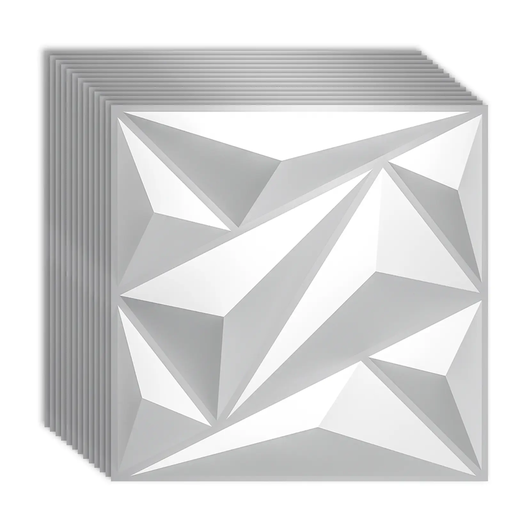
Why we chose it: The perfect solution for maximum impact on a controlled budget. The diamond pattern is a timeless classic, and the 33-piece pack allows you to cover a significant area to create an accent wall without breaking the bank. It's very lightweight, making it effortless to handle and cut—ideal for a first DIY project.
Its PVC is much more resilient than low-end polystyrene. The distinct diamond pattern plays with light, providing impressive relief and saying goodbye to a disappointing flat effect!
Excellent coverage-to-price ratio. Lightweight and easy to cut, it's perfect for getting started with installing 3D wall panels.
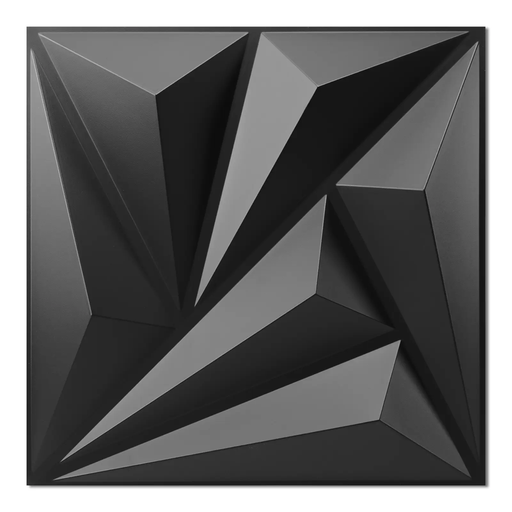
Why we chose it: For those aiming for a more sophisticated finish and unbeatable durability. Its high-density PVC is a guarantee of sturdiness and stands up much better to everyday bumps. The matte black finish and modern geometric design are perfect for a contemporary interior, office, or commercial space.
The high-density PVC is clearly advertised as more durable, which immediately sidesteps the fragility pitfall.
Robustness and premium design. Its waterproof material opens the door for installation in wet areas.
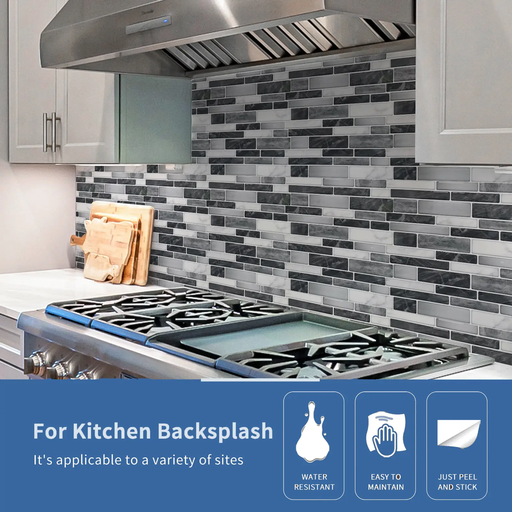
Why we chose it: Specifically designed for high-stress areas like the kitchen or bathroom. This 3D wall covering features a thick gel layer that protects it from moisture and stains. Its reinforced adhesive ensures a long-lasting hold, even in humid environments. It's the reliable solution for a kitchen backsplash or a shower wall.
It overcomes the poor adhesion pitfall with its extra-strong glue and moisture-resistant design, performing where standard products would fail.
Water and stain-resistant, it cleans up with a simple wipe thanks to its non-porous surface. Ultra-simple and fast "Peel and Stick" installation.
Explore our full selection of products that meet our quality criteria and current safety standards.
The lifespan of a PVC panel depends on its intrinsic quality and the room where it's installed. A good PVC wall panel, properly installed in a low-traffic area away from direct sunlight, can easily last 10 to 15 years without any issues. In more demanding areas like a bathroom, good ventilation is essential to maximise its lifespan.
Almost, but preparation is key. The surface must be clean, dry, and sound. Panels can be installed over drywall, plaster, existing tiles, or wood. On a textured or slightly uneven wall, light sanding or applying a bonding primer may be necessary. Most importantly, never install them over existing wallpaper, as it will eventually peel off under the weight.
Maintenance is a breeze. For most PVC panels, a soft, damp cloth with a neutral detergent is enough to remove dust and stains. Avoid abrasive products, scouring pads, and solvents, which could scratch or discolour the surface. For matte finishes, a simple dry microfibre cloth is sufficient for dusting.