
Livraison le jour même ou le lendemain

Qualité garantie

Débloquez vos offres de bienvenue: Livraison GRATUITE | Jusqu'à -80 % | 30 jours d'essai gratuits à JoyPlus
Téléchargez l'application
3D PVC wall panels can quickly transform a living room, bedroom or professional space without the need for major renovation work. Their textured relief adds character to an accent wall, while their lightweight design makes installation accessible even for beginner DIYers.
But beware: between flattering photos and promises of quick installation, disappointment can strike all too easily. An unprepared surface, an underestimated quantity, or a material unsuitable for damp conditions can lead to panels peeling off, visible joins, and an extra trip back to the shop. Here are the key points to check before choosing your decorative wall panels.
A pack of PVC wall tiles might look generous, but cutting around sockets, corners, skirting boards and windows quickly reduces the usable area. If you want to align the patterns perfectly, it's wise to allow for a margin of 10 to 15 %.
Always check:
Being moisture-resistant doesn't necessarily mean a product can be installed inside a shower, behind an unprotected sink, or on a surface constantly exposed to water. Waterproof or moisture-resistant panels are better suited to a bathroom wall, a utility room, or a splashback, provided the surface and seals are appropriate.
If the panel is to be installed near a heat source, also check the manufacturer's guidelines. A self-adhesive splashback is handy for giving your kitchen a makeover, but it doesn't automatically replace a material designed for direct contact with a flame or high temperatures.
Self-adhesive DIY panels will stick properly only to a clean, dry, smooth and degreased surface. A dusty, damp wall, one covered in flaking paint, or a heavily textured surface can compromise adhesion from the very first hours.
Before you start, it's best to:
High-density PVC offers a lightweight solution for creating a 3D wall covering. Depending on the model, product descriptions mention a waterproof, flexible or rigid surface. These characteristics directly affect cutting, long-term durability, and how well the panel adapts to corners.
A rigid panel holds its shape better and is particularly suited to regular geometric patterns. A flexible model will more easily follow certain curves, but it requires a perfectly prepared surface to avoid ripples.
Claims such as "recyclable", "odour-free" or "free from harmful substances" are information provided by the manufacturer. For a project in the UK, consult the technical data sheet and safety instructions before installation.
30 × 30 cm formats are practical for working panel by panel and minimising cuts. Larger formats, such as 50 × 50 cm, allow you to cover a wall more quickly, but they require greater precision to maintain a flawless alignment.
Also consider the panel's relief. A very pronounced pattern catches the light and can highlight any imperfections in the wall. That might be exactly the effect you want on an accent wall; on a large surface, however, a more subtle finish is often easier to integrate.
Some models are installed with a suitable adhesive or silicone, while self-adhesive versions already have an adhesive layer built in. In either case, start by marking horizontal and vertical guidelines to prevent the lines from gradually drifting.
Have a sharp craft knife, a metal ruler, a spirit level, a tape measure and a clean cloth ready. In a bathroom or kitchen, pay particular attention to the joins and edges exposed to water. A self-adhesive 3D wall tile can simplify a makeover, but always follow the product's instructions as your reference.
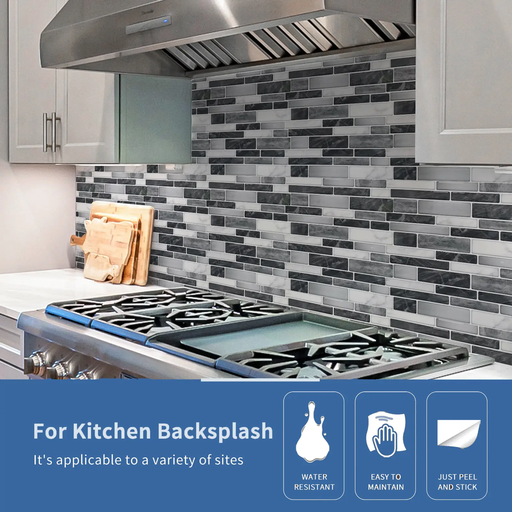
Why this suits this profile: The 30 × 30 cm format and self-adhesive installation are ideal for a small kitchen or bathroom renovation, or for a rental property, without requiring much in the way of tools.
The stated coverage is approximately 0.9 m² for 10 pieces; this benchmark helps you calculate quantities and avoid buying the wrong amount.
A vinyl surface with a textured top layer, described as moisture-resistant and easy to clean.
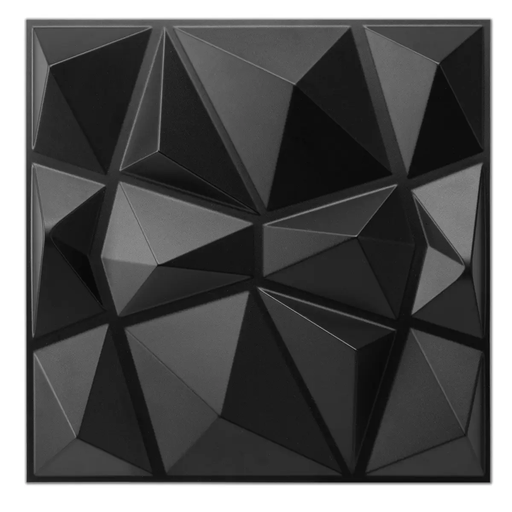
Why this suits this profile: The black diamond pattern is aimed at those looking for contemporary wall décor and an accent wall that makes a statement in a living room, bedroom or office.
The description specifies 33 panels of 30 × 30 cm, giving a coverage of approximately 2.97 m² before installation.
Rigid PVC, a black finish, and installation with adhesive or silicone; the data sheet also mentions water and heat resistance.
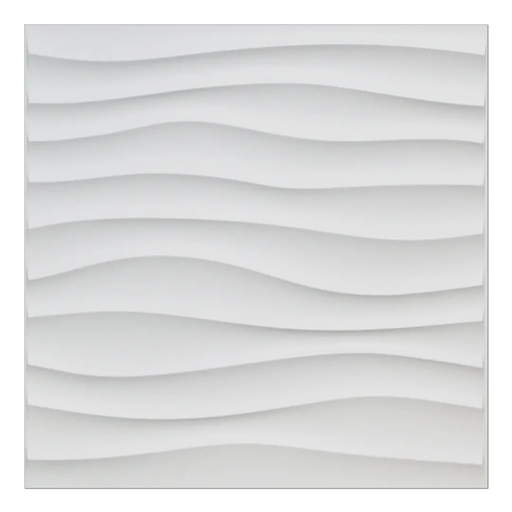
Why this suits this profile: These large white panels cover approximately 3 m² per pack. They are suitable for a TV wall, a hallway, a professional space, or a room that sees particularly heavy use.
The large format reduces the number of visible joins. The data sheet recommends installation with adhesive or double-sided tape on a clean surface.
Flexible white PVC, with panels described as lightweight, waterproof and moisture-resistant.
We've put together a comprehensive, real-time updated selection of products that meet these demanding criteria, while also taking European safety regulations into account.
Yes, some models can be installed directly onto existing tiles, provided the tiles are clean, dry, degreased and sufficiently smooth. Very deep grout lines or loose tiles can, however, reduce adhesion. Test on a small area before covering the entire wall.
It depends on the material, the quality of the installation, exposure to moisture and heat, and the cleaning products used. Good ventilation and gentle cleaning will help preserve the appearance of the relief. Check the instructions for the usage limits and care recommendations for your chosen model.
The total budget includes the panels, adhesive or tape if needed, tools, and a margin for cuts. Always compare the price per square metre covered, rather than the price of the pack alone. That's the best way to compare 30 × 30 cm formats, large panels, and self-adhesive tiles.