
Livraison le jour même ou le lendemain

Qualité garantie

Débloquez vos offres de bienvenue: Livraison GRATUITE | Jusqu'à -80 % | 30 jours d'essai gratuits à JoyPlus
Téléchargez l'application
Renovating a wall, a splashback or a seating area without dust or major work is tempting. 3D PVC wall panels, adhesive tiles and other decorative coverings are perfect for this desire for simplicity. But you still need to choose a solution that suits the surface and the room in question.
Before you place an order, three mistakes often crop up:
Rigid or flexible, PVC appeals for its lightness, easy maintenance and good moisture resistance. It is particularly suitable for decorative wall panels, accent walls in the living room and areas exposed to a few splashes.
However, be careful: the term "water-resistant" does not necessarily mean "suitable for permanent immersion". In a bathroom, check the manufacturer's recommendations and avoid areas subject to direct and continuous water flow, such as the inside of a shower cubicle, when the product specifies this.
In the kitchen, an adhesive kitchen splashback must also be kept away from flames and respect the recommended distances around the hob. For a shop or a public-access building, check the product's fire reaction and whether it is approved for professional use.
30 × 30 cm tiles are easy to handle and cut. They work well for small surfaces, around sockets and for DIY wall décor projects. 50 × 50 cm sizes reduce the number of joins and speed up installation on a large wall.
To calculate the quantity you need:
Also think about the pattern. A geometric relief requires more precise alignment than a plain surface. Where possible, order all packs at once to minimise colour variations.
Self-adhesive wall panels go up quickly on a clean, dry, smooth and flat wall. They are handy in a rental or for a light renovation, but removing them can leave residue or pull off fragile paint. Do a test first in an inconspicuous area.
PVC panels that need gluing offer more freedom on a large surface, but require a glue or silicone that is compatible with the wall. In both cases, take the time to measure, mark a starting line and check alignment with a spirit level. A squeegee and a craft knife make installation easier while reducing bubbles and misalignments.
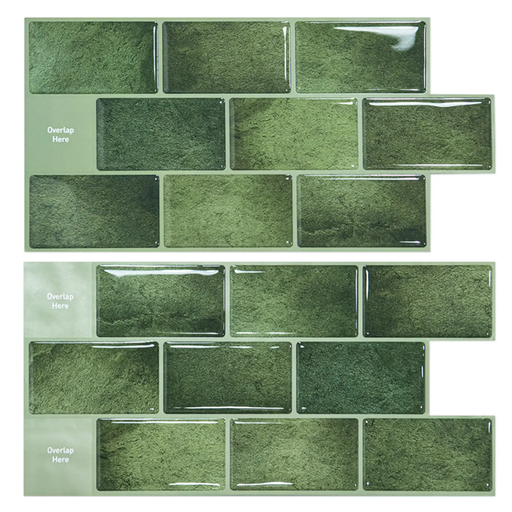
Why this choice suits this profile: With their 30 × 30 cm size and self-adhesive backing, these tiles are ideal for a small splashback or a DIY project with no special tools.
The product page clearly states that these stickers are not designed for the inside of a shower or areas subject to constant water flow.
A textured vinyl surface with a 3D epoxy layer, easy cleaning with a damp cloth and a stated coverage of 0.9 m².
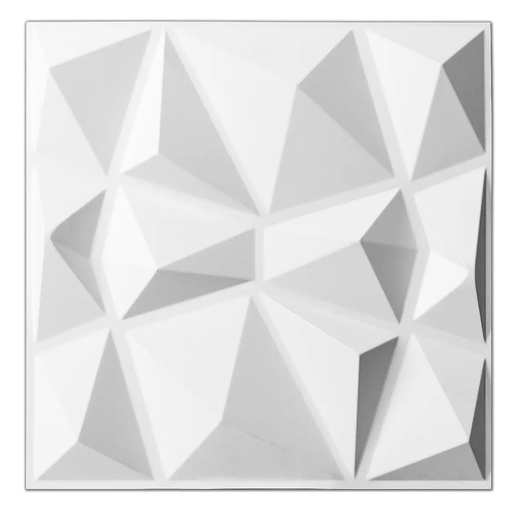
Why this choice suits this profile: Their white geometric relief brings light and character to an accent wall in a living room, bedroom or professional space.
With 33 panels, it allows you to cover a large area without having to buy multiple small packs, which could have colour variations.
Rigid PVC, a 30 × 30 cm size, installation with glue or silicone and a stated coverage of 2.97 m² per pack.
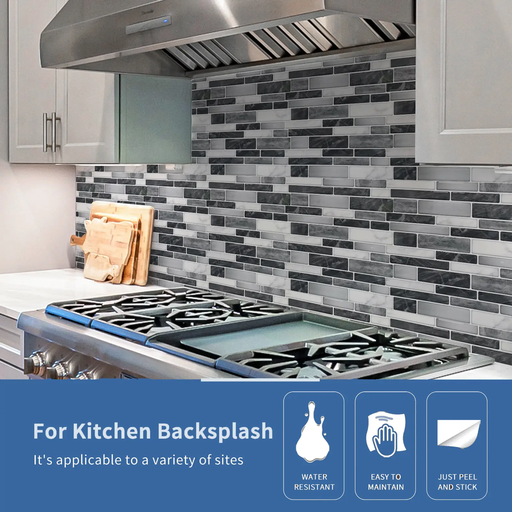
Why this choice suits this profile: This solution is suitable for kitchens, bathrooms (outside the shower) and commercial spaces that require regular cleaning.
Installation is on a smooth, non-textured surface – an essential condition to minimise the risk of peeling.
Vinyl with a thickened top layer, a non-porous surface and stated resistance to moisture and stains.
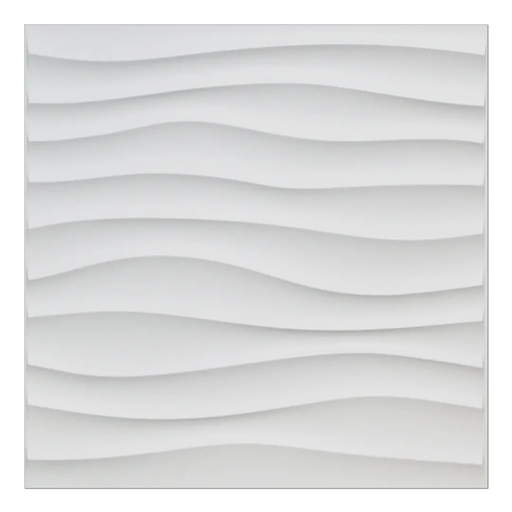
Why this choice suits this profile: With their 50 × 50 cm size, these panels reduce the number of joins and allow you to quickly dress a living room wall, bedroom or office.
The stated coverage of around 3 m² makes it easy to calculate your budget and avoids having to buy lots of small packs.
12 panels of 50 × 50 cm in flexible PVC, to be installed with glue or double-sided tape on a clean surface.
We have put together a comprehensive, real-time updated selection of products that meet these demanding criteria as well as European safety standards.
Yes, provided the tiles are clean, dry, stable and smooth enough. Very deep grout lines can create visible irregularities or affect adhesion. A thorough degreasing, followed by a test on a small area, is strongly recommended.
Not necessarily. Products designed for a splashback or bathroom walls can withstand splashes, but some clearly state they are not suitable for areas subject to constant water flow. Always check the technical data sheet for the model you choose.
It all depends on the quality of the material, the surface preparation, exposure to heat and maintenance. Installation on a dry, smooth surface, away from abrasive friction and permanent moisture, helps preserve the adhesion and appearance of the 3D wall covering.