
Livraison le jour même ou le lendemain

Qualité garantie

Débloquez vos offres de bienvenue: Livraison GRATUITE | Jusqu'à -80 % | 30 jours d'essai gratuits à JoyPlus
Téléchargez l'application
Switching from plastic to stainless steel for food storage is an excellent choice for both your health and the planet. But faced with a jungle of offers and marketing promises, it's easy to get confused. The 316 stainless steel food container stands out as the gold standard, but how can you be sure you're making the right choice? As a product expert at Joybuy, my mission is to help you navigate the options.
Before you dive in, let's review the common pitfalls that can turn a smart investment into a real disappointment.
To avoid these unpleasant surprises, focus on a few non-negotiable technical specs. This is what will make all the difference in daily use.
This is the number one criterion. Stainless steel comes in several grades, but not all are created equal for food use.
Choosing a certified 316 stainless steel product therefore means giving yourself complete peace of mind, especially if you love culinary variety.
The seal on your stainless steel bento depends entirely on its lid design. Here are the points to check:
For your containers to become true everyday allies, they must be practical.
To help you put these criteria into practice, here are a few products that meet specific needs.

Their Profile: They make no compromises on health and durability. This set meets the strictest standards for intensive daily use, from meal prep to freezer storage.
The 316 stainless steel certification is unequivocal. The secure-locking lids guarantee a foolproof seal.
Premium material for maximum corrosion resistance. A versatile set of 3 sizes (600 ml, 1100 ml, 2200 ml) that is freezer and dishwasher-safe.

Their Profile: They prep their meals for the week in advance and demand maximum versatility. Glass is an excellent plastic-free alternative, with the major advantage of being microwave-safe for easily reheating lunch.
Borosilicate glass is a stable and healthy material that resists odours and stains. The snap-lock lids ensure a perfect seal, preventing any risk of leaks.
A complete 10-piece set for optimal organisation. The glass is safe for the microwave, oven, freezer, and dishwasher for absolute versatility.
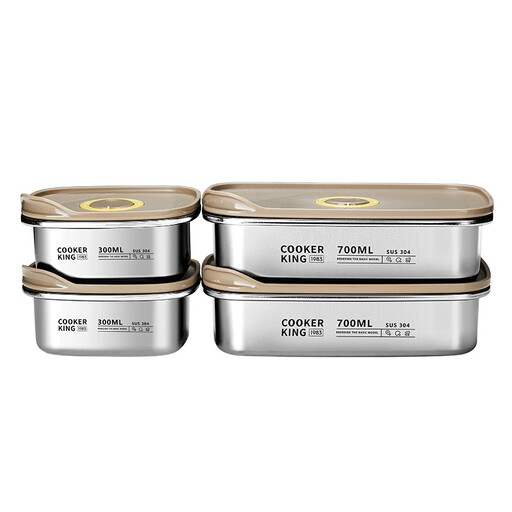
Their Profile: They want to take their first steps toward a "zero-plastic" lifestyle with a simple and effective solution, banking on the durability and hygiene of stainless steel.
Even though it's not 316 stainless steel, the "food-grade stainless steel" label makes it an excellent alternative to plastic for everyday use (with less acidic or salty foods).
A set of 4 stackable containers for easy storage. A robust and hygienic solution, dishwasher-safe, to effectively replace plastic containers.
Explore our full selection of products, all rigorously selected for their quality and compliance with safety standards.
Absolutely not. You should never place any metal object, including stainless steel, in a microwave oven. It can damage your appliance and poses a fire hazard. To reheat your meals, simply transfer the food to a suitable plate or container (glass, ceramic).
One of the great advantages of stainless steel, especially 316, is its natural resistance to stains and odours. If an odour persists (garlic, onion, etc.), a simple cleaning with a paste of baking soda and water, or a wash with diluted white vinegar, will be enough to neutralise it. Rinse thoroughly after treatment.
Yes, 316 stainless steel is slightly more expensive due to the addition of molybdenum. Consider this extra cost an investment: its superior corrosion resistance guarantees an exceptional lifespan for your container, which will stay looking new for years, even with intensive use.