
Livraison le jour même ou le lendemain

Qualité garantie

Débloquez vos offres de bienvenue: Livraison GRATUITE | Jusqu'à -80 % | 30 jours d'essai gratuits à JoyPlus
Téléchargez l'application
3.5 mm wired headphones remain a reliable choice for gaming, listening to music, working from home or joining an online meeting. There’s no need to recharge them: the connection is direct and they are generally ready to use straight away. However, a few details can make all the difference between a successful purchase and an accessory that becomes frustrating to use every day.
Before comparing models, pay particular attention to compatibility, the type of microphone and real-world comfort. Here are the key criteria to check, followed by a selection suited to several different needs.
Having a 3.5 mm plug does not guarantee that every function will work with every device. Headphones with a four-contact TRRS connector can transmit both audio and the microphone signal on a compatible console, smartphone or controller. By contrast, some computers still have two separate ports for audio and the microphone.
The Logitech H111, for example, uses two separate 3.5 mm plugs. It is therefore particularly well suited to computers with separate ports, although an adapter may be needed for devices that combine both functions into a single socket.
40 or 50 mm drivers are not enough to predict listening quality. Comfort also depends on the pressure exerted by the headband, the shape of the ear cushions and the weight of the headphones. Over-ear headphones surround the ears, while on-ear headphones rest directly on them. Although more compact, the latter may exert more pressure during long listening sessions.
For online gaming, calls or meetings, the microphone’s position is just as important as its presence. A flip-up microphone lets you quickly mute the sound pickup by raising it. A detachable model can be removed when listening to music, while a microphone built into the remote is more discreet, particularly when you’re out and about.
A 3.5 mm jack lets you connect directly to many laptops, smartphones with a suitable output, controllers and consoles. However, check the number of contacts and whether an adapter is required.
For a desk setup, a cable measuring 2 m or more gives you useful freedom of movement. The Logitech H111 has a 2.35 m cable, while several gaming headsets featured here use a cable of around 1.2 m, which is better suited to a controller or handheld console.
Frequency specifications such as 20 Hz to 20 kHz describe a technical range. On their own, they are not enough to assess the sound balance. In everyday use, built-in controls, volume adjustment and the ability to mute the microphone often prove more useful.
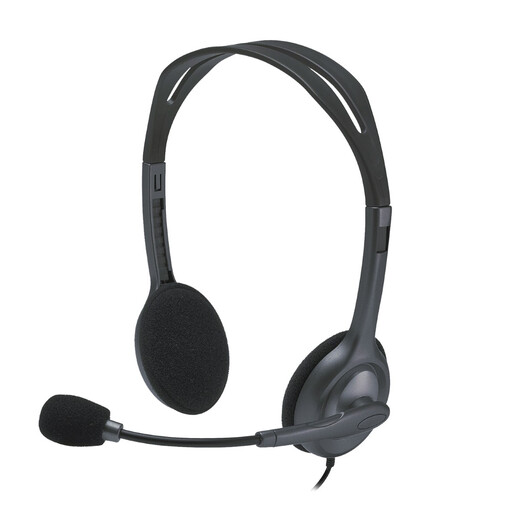
Why this choice suits this profile : Weighing 74 g and featuring an adjustable headband, these lightweight headphones are ideal for working from home, calls and everyday listening on a computer.
Its two separate plugs make connection straightforward on a PC with separate audio and microphone ports.
Stereo sound, a 180-degree swivelling microphone, a 2.35 m cable and stated compatibility with Windows and macOS.
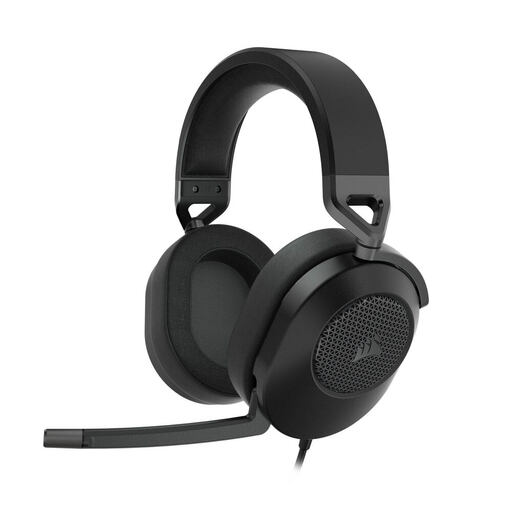
Why this choice suits this profile : Its over-ear design, 50 mm drivers and compatibility with several platforms make it a versatile choice for gaming and multimedia.
The 3.5 mm connection remains versatile, while a splitter cable allows it to be connected to computers with separate ports.
50 mm drivers, a flip-up omnidirectional microphone, on-earcup volume control and 7.1 surround sound via PC software.
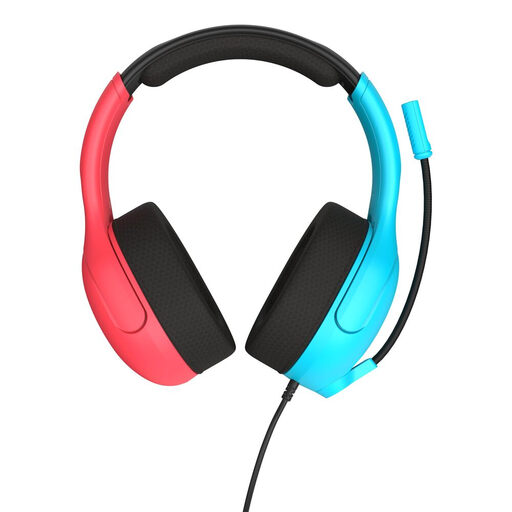
Why this choice suits this profile : This wired gaming headset is designed for Nintendo Switch, PC and mobile gamers who want to adjust the volume or mute the microphone quickly during play.
Its 3.5 mm plug and flip-up mute microphone minimise adjustments while you play.
40 mm speakers, mesh ear cushions and an integrated volume wheel. Compatible with Nintendo Switch, Switch Lite, Switch OLED, PC and mobile.
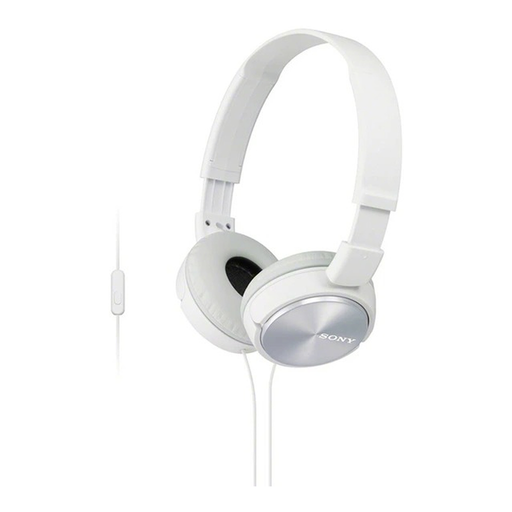
Why this choice suits this profile : Foldable and lightweight at 128 g, these headphones slip easily into a bag. The built-in microphone also lets you take compatible calls.
Its foldable design reduces bulk, with no battery to recharge or software to install.
30 mm drivers, a stated response of 10 Hz to 24 kHz, one-button control and a 1.2 m cable.
We have put together a complete, real-time updated list of products that fully meet these strict selection criteria and European safety regulations.
Yes, provided the device has a compatible socket and the connector carries the required functions. On a Nintendo Switch, a headset with a microphone and a combined plug will generally be suitable. On a PC with two separate ports, an adapter or a headset with two plugs may be required.
An on-ear model rests on the ears and prioritises lightness, like some foldable Sony headphones. An over-ear model completely surrounds them and provides more noticeable passive isolation, although it is often bulkier.
It depends on the build quality, how often they are used and how well they are maintained. Avoid pulling on the cable, unplug it by holding the plug and store the headphones away from moisture. If the design is foldable, handle the hinges carefully without forcing them.