
Livraison le jour même ou le lendemain

Qualité garantie

Débloquez vos offres de bienvenue: Livraison GRATUITE | Jusqu'à -80 % | 30 jours d'essai gratuits à JoyPlus
Téléchargez l'application
A cable so short it tethers you to the wall socket, an excruciatingly slow charge when every minute counts, yet another connector fraying after just a few months... Does this scenario sound familiar? While USB-C has successfully standardised our connections, it has also turned choosing the right cable into a real headache.
As a product expert at Joybuy, my mission is to help you see clearly. This guide gets straight to the point: to give you everything you need to choose the 2m fast-charging USB-C cable that's perfectly suited to your devices and your daily life, based on simple criteria: power, durability, and compatibility.
Before diving into our selection, here are three crucial points to check to make the right choice on your first try.
Expressed in watts (W), power determines your device's charging speed. It's the Power Delivery (PD) technology that orchestrates this fast and intelligent charging.
The cable's sheath is crucial for its lifespan and daily user experience.
Nearly all recent devices use a USB-C to USB-C connection. However, be careful if you own older Apple products or specific accessories.
For iPhone or older iPad model owners, a USB-C to Lightning cable is essential. To ensure safe charging and flawless performance, insist on MFi (Made for iPhone/iPad/iPod) certification. It confirms that the accessory has been approved by Apple and meets its strict specifications.
Here are a few models that tick all the right boxes, designed for different uses and budgets.
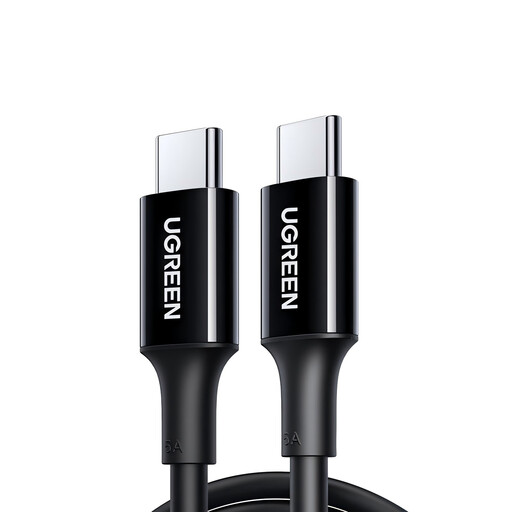
What sets it apart: Its ability to deliver massive power, perfect for the most energy-hungry devices.
Key Features:
Who is it for? Professionals and creatives using USB-C laptops (MacBook Pro, Dell XPS...) who need maximum charging power to work without interruption. It's also a smart investment, ready for future, even more demanding devices.
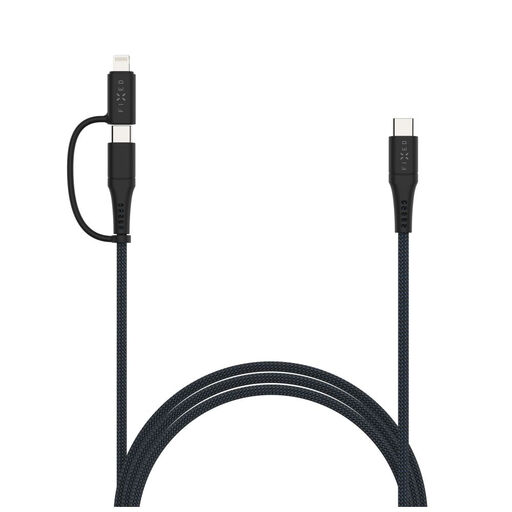
What sets it apart: The Swiss Army knife of cables, thanks to its MFi-certified Lightning adapter.
Key Features:
Who is it for? Those who juggle between the Apple and Android ecosystems, or families who want to end the proliferation of cables at home and while travelling. The ultimate single, durable, and certified solution.
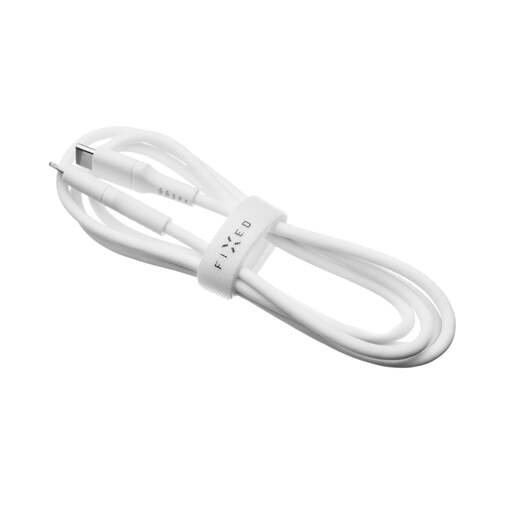
What sets it apart: Its incredible feel and flexibility, thanks to its liquid silicone sheath.
Key Features:
Who is it for? Users who prioritise comfort and practicality in their daily routine. If you're tired of rigid cables that form inextricable knots, the flexibility of this silicone model will be a game-changer.
The world of USB-C is vast and isn't limited to charging. If you need to connect external hard drives, docking stations, or 4K monitors, you'll need cables with very different specifications (Thunderbolt, USB 3.2, etc.).
To explore our full range, including options for storage and video, check out our USB hard drive cables category.
A 60W cable is perfect for smartphones, tablets, and ultra-portable laptops. A 100W cable can do all that, but it is primarily capable of delivering the maximum power required by more powerful laptops (e.g., 16-inch MacBook Pro). Using a 100W cable on a phone is completely safe, as the power is intelligently regulated by the device.
This 2-metre length offers very welcome freedom of movement. It allows you to use your device comfortably even when far from the socket, whether in bed, on a sofa, or in a meeting room. For purely mobile use (plugged into a power bank in a bag), a shorter cable (1m) would be more practical. But for stationary use, 2 metres is often the ideal length.
Absolutely. MFi (Made for iPhone/iPad) certification is your guarantee that the accessory strictly adheres to Apple's standards for performance and safety. A non-certified cable exposes you to error messages, slow or unstable charging, and may even damage your device's port in the long run. For peace of mind and optimal performance, an MFi-certified cable isn't an option—it's a necessity.