
Livraison le jour même ou le lendemain

Qualité garantie

Débloquez vos offres de bienvenue: Livraison GRATUITE | Jusqu'à -80 % | 30 jours d'essai gratuits à JoyPlus
Téléchargez l'application
The school supplies list has just been released, and with it, the annual headache of finding the perfect notebook. The 24x32 notebook is a staple on lists for middle and high school, but be warned: not all models are created equal. The wrong choice is a recipe for disaster: torn pages, ink bleeding through, or a cover that doesn't even survive the first term. Before you fill your shopping cart, let's review the pitfalls to avoid and the criteria that truly make a difference.
Every year, it's the same story: parents and students end up with notebooks that don't go the distance. Here are the most common traps and, more importantly, how to avoid them for good.
To make the right choice, you only need to check three technical features. This is what separates a notebook that will last until June from one that will be unusable before Christmas.
A notebook's durability depends first and foremost on its cover.
The paper weight, expressed in grams per square metre (g/m?), determines the paper's thickness and opacity.
Rather than an endless list, we've selected specific products for concrete needs. Find the model that's truly right for you.
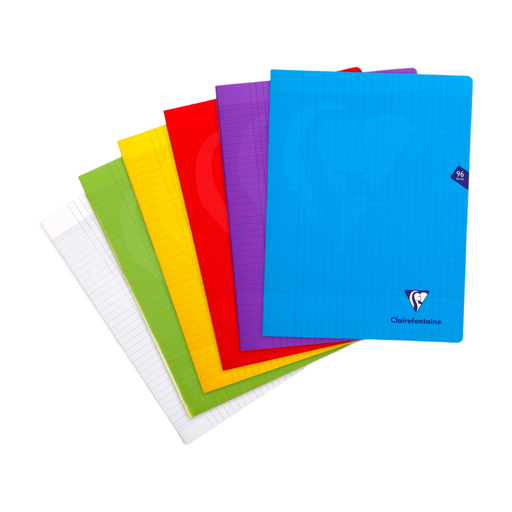
Why we recommend it: This person wants peace of mind. A compliant, sturdy notebook that will last until June without any fuss.
Its polypropylene cover is backpack-proof, so you can forget the fragile cover trap. The Clairefontaine 90g/m? paper guarantees that ink will never bleed through.
The all-in-one formula (notebook + integrated cover). The quality of Clairefontaine paper, a benchmark for writing comfort.
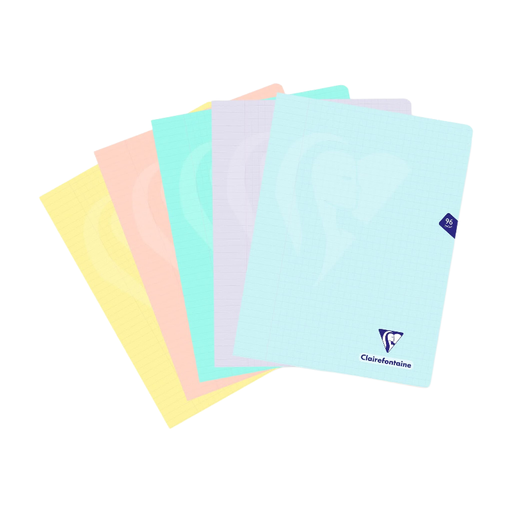
Why we recommend it: This person wants to optimise their back-to-school budget without sacrificing quality. Their strategy: buying in a multipack.
This multipack combines the best of both worlds: premium quality (polypro cover, 90g paper) at an unbeatable price per unit. It avoids the trap of "economy" packs where the paper is often too thin.
Unbeatable value for money. Perfect for covering multiple subjects at once and staying organised with the different colours.
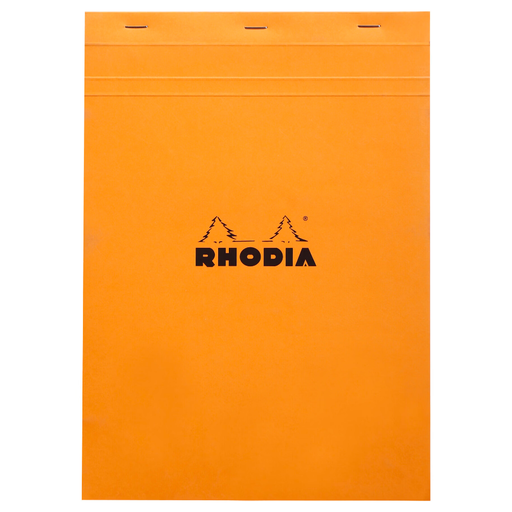
Why we recommend it: In a meeting, lecture hall, or at the office, flexibility is king. Free from the constraints of the 24x32 format, this person is looking for a high-quality, practical, and, let's be honest, iconic writing tool.
The premium vellum 80g/m? paper in the Rhodia pad is legendary for its perfect glide and opacity. Its ultra-rigid cardboard back allows for comfortable note-taking, even without a surface.
Micro-perforated sheets for clean and easy removal. A4 format, ideal for filing. A paper quality acclaimed worldwide.
Discover our complete selection of products that meet our quality criteria and school requirements.
The 24x32 cm format, or "large format," is slightly wider and taller than A4. This extra space is crucial: it allows you to glue in A4 documents (handouts, exercises) without them sticking out from the pages. This is a very common request from teachers in France.
A 90 g/m? paper is much thicker and more opaque than standard paper (70 or 80 g/m?). The difference is striking when using a fountain pen or felt-tip pens: the ink does not bleed through. This means you can use both the front and back of each page without any issues, ensuring cleaner notes and a notebook that lasts longer.
No, and that's precisely its main advantage! The polypropylene (or "polypro") cover acts as both a cover and a protector. It's waterproof and highly resistant to tearing, perfectly protecting the corners of the notebook. Opting for a polypro notebook therefore saves you the expense (and the tedious task of fitting) of a separate notebook cover.