
Livraison le jour même ou le lendemain

Qualité garantie

Débloquez vos offres de bienvenue: Livraison GRATUITE | Jusqu'à -80 % | 30 jours d'essai gratuits à JoyPlus
Téléchargez l'application
The back-to-school supply marathon is a summer ritual every parent knows. On any middle or high school supply list, one item is virtually unavoidable: the large-format notebook. Yet, behind this apparent simplicity lie details that make all the difference between a notebook that lasts the entire school year and one that's in shreds before the first term break. Choosing the right Oxford 24x32 large-ruled notebook might seem like child's play, but beware of the pitfalls that can turn a bargain into a source of frustration.
Before you check out, let's review the two most common mistakes—the ones that frustrate students and parents' wallets alike:
To avoid these disappointments, there are three technical points to check. They are the winning combination for a quality 24x32 school notebook designed for intensive, daily use.
The 24x32 cm format is no accident. It's slightly larger than A4 (21x29.7 cm), allowing students to paste in A4 handouts without them sticking out from the edges. It's a small detail that makes all the difference in keeping notes pristine.
The large-squared ruling, known as Seyès, is the standard in the French school system. This specific grid, with its spaced horizontal lines and finer vertical lines, is designed to guide handwriting, structure note-taking, and simplify mathematical calculations. The Seyès notebook is therefore a must-have for most subjects.
Paper weight, expressed in grams per square metre (g/m?), is THE tell-tale sign of paper quality.
The choice of binding depends on its intended use. The large-format staple-bound notebook is the most common type. Lightweight and budget-friendly, it's a classic on school supply lists. Its durability, of course, depends on the quality of the staples and the cover. For greater longevity, a stitched binding is a more robust alternative. A spiral binding, on the other hand, allows for a 360° fold-over and lets you tear out pages cleanly—a bonus for certain subjects or for students who value organisation.
To help you make the right choice, here is our selection of notebooks that tick all the boxes, matched with typical user profiles.
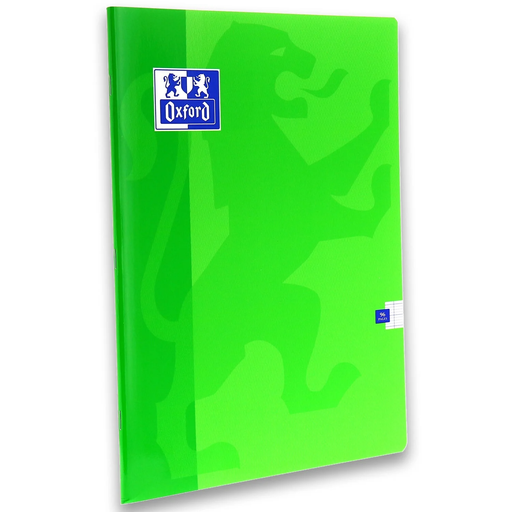
Why we chose it: This is the quintessential classic that ticks every box on the supply list. A reliable choice. Perfect for daily use from middle school to high school, its wide range of bright colours makes organisation easy: assign a colour to each subject, and you're all set.
Its laminated card cover withstands the rigours of a backpack and resists moisture. Its famous 90g Optik Paper prevents ink from bleeding through, ensuring trouble-free, double-sided use.
Unbeatable value for money. Bonus: the two-tone ruling, developed with ophthalmologists, helps reduce eye strain.
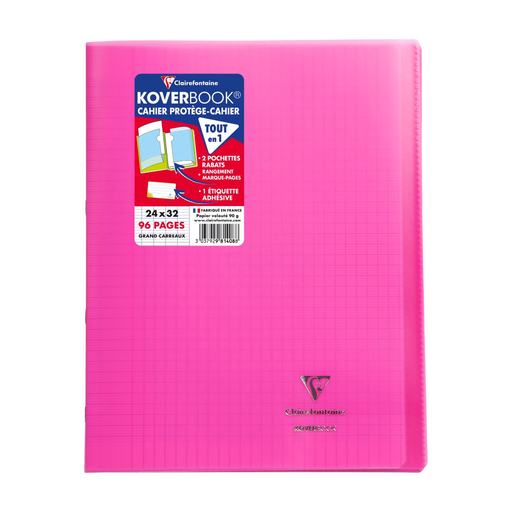
Why we chose it: For those who want to travel light and say goodbye to separate book covers. This 2-in-1 model features a flexible, ultra-durable polypropylene cover that gets the job done all year long.
Its polypropylene cover is virtually tear-proof and waterproof. Inside, you'll find Clairefontaine's famous Velvety Vellum 90g/m? paper, an absolute benchmark for its writing smoothness and opacity.
An ultra-durable, all-in-one solution. Its two large flaps double as bookmarks and storage pockets, so you'll never lose loose papers again.
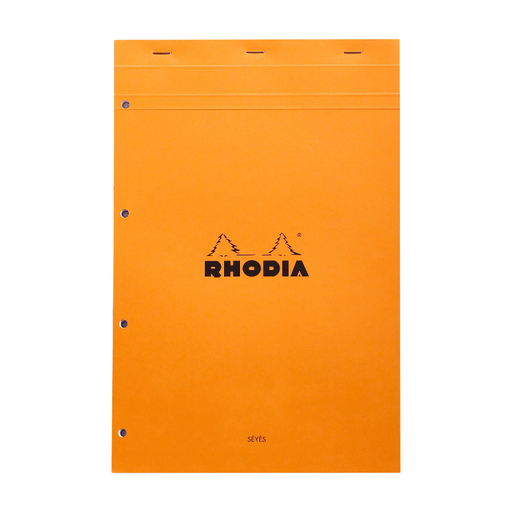
Why we chose it: The ideal companion for students and teachers who fill up pages and need flexibility. The spiral binding allows it to fold back 360°, and its rigid cardboard back serves as a portable writing surface, even without a desk.
The full spiral binding is built to last and won't come apart like simple staples. The micro-perforated sheets detach flawlessly, without any tearing.
Maximum flexibility: 360° opening and detachable, pre-perforated sheets (4 holes) for immediate filing in a binder.
Explore our complete, up-to-date selection of notebooks and journals that meet our quality criteria and French standards.
A 24x32 cm notebook is slightly larger than an A4 notebook (21x29.7 cm). This extra space is actually a clever feature: it allows you to paste in A4 handouts without them sticking out from the pages, which protects them from wear and tear in a school bag. This is why the 24x32 format is so highly favoured on school supply lists in France.
The 96-page notebook is the most versatile and commonly requested option. It offers enough capacity for most subjects for a term or semester without making the bag too heavy. For subjects with less note-taking, a 48-page notebook may suffice. Conversely, for core subjects, some teachers will require 140- or even 192-page notebooks.
90g/m? paper is thicker and denser than standard 70g or 80g paper. This density, combined with a special surface treatment (like that on Oxford's Optik Paper or Clairefontaine's Velvety Vellum), prevents liquid ink from fountain pens from feathering or bleeding through the sheet. The ink dries on the surface, ensuring crisp writing and allowing you to use both sides of the page without any issues.