
Livraison le jour même ou le lendemain

Qualité garantie

Débloquez vos offres de bienvenue: Livraison GRATUITE | Jusqu'à -80 % | 30 jours d'essai gratuits à JoyPlus
Téléchargez l'application
Ah, the school supply list... A familiar challenge as the back-to-school season begins. Amidst the pens and binders, one item always stands out?: the renowned 24x32 cm French-ruled notebook. A staple from primary through to high school, choosing the right one is surprisingly complex. Paper weight, binding, page count... To ensure you make the perfect choice, follow our comprehensive guide and explore our top picks for 2026.
Before you fill your shopping cart, a few key points are worth checking. They can mean the difference between a notebook that barely survives the first term and a reliable companion for the entire school year.
There's a good reason why teachers insist on it. The large-format school notebook (24x32 cm) is designed for classroom life?: its generous dimensions allow you to paste in an A4 sheet without folding it or having it stick out. No more damaged handouts?! It's the secret to keeping your notes neat and organised.
As for the Seyès ruling—what we call "grands carreaux" or large squares—it's simply the standard in the French school system. Its unique grid is specially designed to guide handwriting, help with letter formation, and provide a perfect structure for your notes.
Who hasn't been frustrated by paper that bleeds ink, tears with the slightest erase, or causes your pen to snag?? To avoid these issues, paper weight is your best indicator. Aim for 90 g/m? paper, which guarantees good opacity (ink won't show through) and superior durability. Some brands, like the renowned Optik Paper, go even further?: perfect whiteness and an ultra-smooth surface for an unparalleled writing experience, even with a fountain pen. Writing comfort makes all the difference.
For daily use in middle school, the 96-page staple-bound notebook is the classic choice. Its stapled binding (or "piq?re") has two major advantages?: it's lightweight and allows the notebook to lie perfectly flat, which is ideal for comfortable writing. With 96 pages, you can typically cover a single subject for the year (or a semester for more prolific note-takers) without overloading your school bag.
To help you make the right choice, we've selected three reliable options that tick all the boxes for quality and practicality.
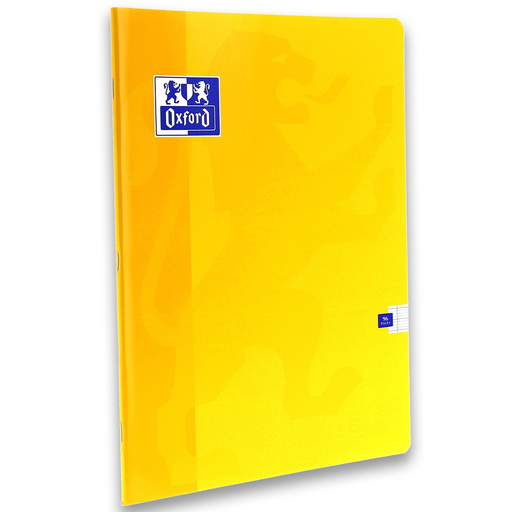
What sets it apart The OXFORD Color Life notebook is a back-to-school classic, and for good reason. Its laminated card cover withstands the daily wear and tear of a school bag. Inside, you'll find the essential Optik Paper 90 g/m??: perfect whiteness and smoothness, with no ink bleed-through. As an added bonus, its two-tone Seyès ruling is designed to improve readability and reduce eye strain.
Key Features?:
Who is it for?? Ideal for middle and high school students looking for a reliable, durable notebook for their main subjects, and who appreciate a splash of colour to stay organised.
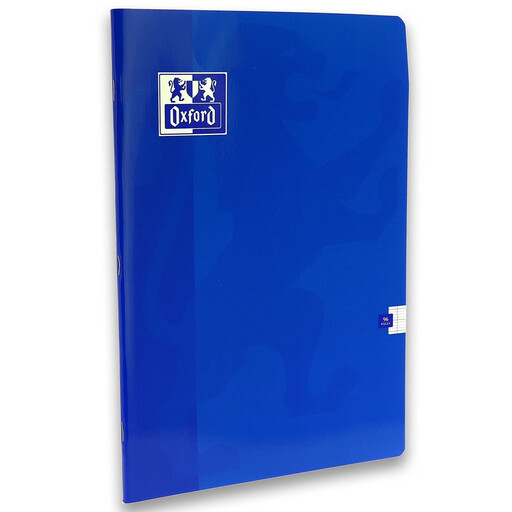
What sets it apart This model features all the qualities that make the OXFORD 24x32 notebook range so successful, including its Optik Paper and ultra-durable laminated cover. Offered in a simple, versatile blue, it fits easily into any colour-coding system. Its staple binding ensures all 96 pages will hold up for the entire year, while also providing a very practical lay-flat opening.
Key Features?:
Who is it for?? An excellent choice for students of all levels looking for a functional, high-quality notebook, with a classic colour that makes it easy to identify by subject.
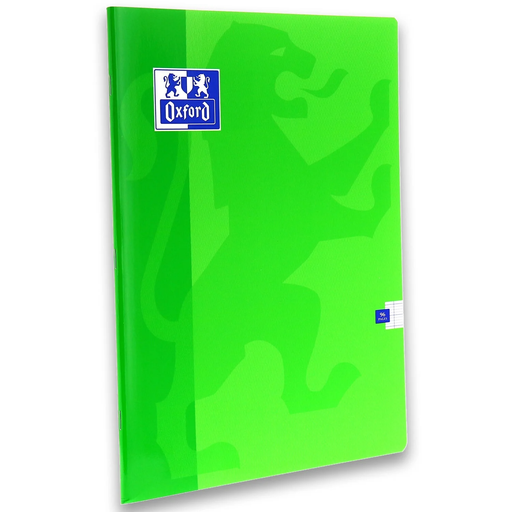
What sets it apart This green model perfectly complements the Color Life range, making it ideal for those who organise their subjects by colour. Unsurprisingly, it boasts the same features that have built the brand's reputation?: a sturdy cover, reliable staple binding, and, of course, the excellent Optik Paper. The Seyès ruling remains just as crisp and precise, guiding your handwriting smoothly.
Key Features?:
Who is it for?? Perfect for students and parents who rely on a colour-coded system to organise supplies and refuse to compromise on quality.
A different size, a spiral binding, more or fewer pages?? Every supply list is unique. To complete your shopping and explore a wider selection of notebooks and stationery, feel free to browse our Note Cards category.
Seyès ruling, or 'grands carreaux' (large squares), is the French standard. It consists of a main 8x8 mm grid, supplemented by thinner horizontal lines every 2 mm to guide the height of letters. It's ideal for learning handwriting. In contrast, 'petits carreaux' (small squares) or 5x5 ruling features a simple 5x5 mm grid, often preferred for science subjects or diagrams.
Simply because it allows you to paste in an A4 sheet (21x29.7 cm) without needing to fold it. This ensures students can keep their notes neat and organised by easily incorporating all the documents handed out by teachers (handouts, exercises, diagrams).
In most cases, yes. A 96-page staple-bound notebook strikes the perfect balance between having enough capacity for the year and a reasonable weight in a school bag. However, for writing-intensive subjects like English or History, it's sometimes wise to have a second notebook on hand to finish the school year.