
Livraison le jour même ou le lendemain

Qualité garantie

Débloquez vos offres de bienvenue: Livraison GRATUITE | Jusqu'à -80 % | 30 jours d'essai gratuits à JoyPlus
Téléchargez l'application
As 2027 approaches, the quest for the perfect planner becomes a ritual for mapping out future success. Yet, faced with a dizzying array of options, it's easy to fall for the classic pitfalls that turn a beautiful object into dead weight after just a few weeks. Warping paper, a binding that gives way, an impractical layout… disappointments are common. This guide is here to arm you against poor choices and help you find the tool that will stick with you, whether you're an overbooked professional, a methodical student, or a creative in search of flexibility.
Before you dive in, beware of these three pitfalls that too often turn a promising purchase into a complete disappointment.
To avoid these letdowns, focus on a few objective technical specifications. They are the guarantee of your future organizational companion's quality and practicality.
Expressed in grams per square meter (g/m²), the weight determines the paper's thickness and opacity. It's the ultimate deciding factor.
The durability of your planner largely depends on its binding. A sewn binding is an excellent indicator of quality. It allows for a 180° lay-flat opening, which is essential for writing comfortably across the entire surface of the page without being hindered by the paper's curve. A detail that makes all the difference for intensive use.
The choice of the internal grid should match your personal organizational style.
To put theory into practice, here are a few models that caught our eye, each tailored for a specific type of user.
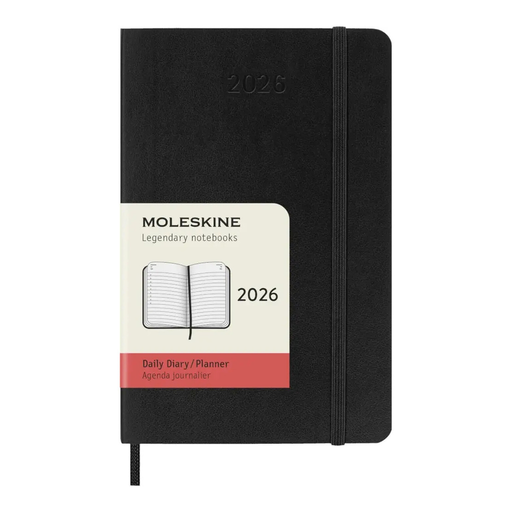
Why we chose it: Essential for professionals with packed days, this model offers a full page per day. Its understated design and flexible yet durable cover make it a reliable companion for appointments and detailed note-taking.
Its sewn binding ensures a perfect 180° lay-flat opening, while its 70 g/m² acid-free ivory paper is optimized for daily use, minimizing bleed-through.
Its one-page-per-day format provides maximum space for meticulous planning or keeping a professional logbook.
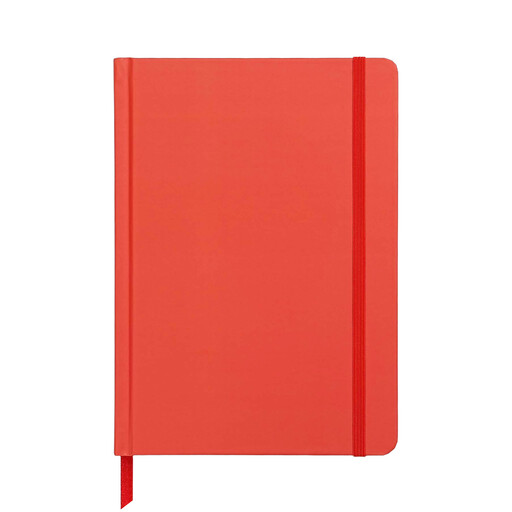
Why we chose it: The undated planner is the dream solution for those who shy away from rigid structures. This 18-month model can be started at any time of the year, which is perfect for long-term projects, students, or freelancers with fluctuating schedules.
Its thick 100 g/m² paper handles most inks without feathering or bleeding through. The hardcover and solid binding ensure its durability over 18 months.
The absolute flexibility of the undated format, combined with premium paper that's as suitable for drawing and lettering as it is for writing with a fountain pen.
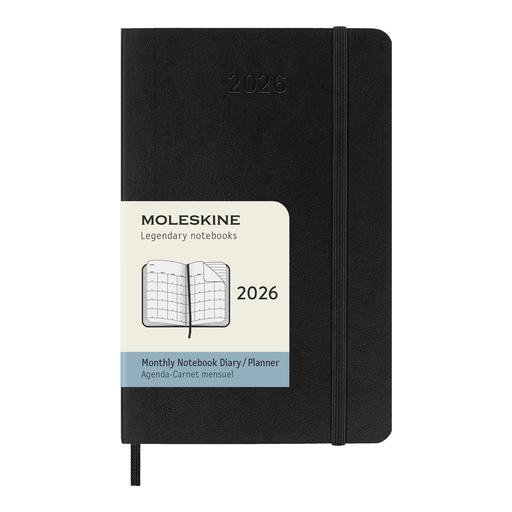
Why we chose it: This pocket planner is designed for those who want a high-level view of their schedule without the bulk of a large format. Its monthly view is perfect for noting key events, while dedicated pages allow for tracking weekly tasks.
Its soft cover and iconic elastic closure protect the pages on the move. Its binding allows it to lay flat, a rare and valuable feature in such a compact format.
Maximum portability without sacrificing structure (monthly and weekly views), for flawless, on-the-go organization.
Discover our complete selection of planners and organizers, all chosen for their quality and durability.
A dated planner is pre-filled and follows a fixed period: a calendar year (January-December) or an academic year (September-August). It's structured and ready to use. In contrast, the undated planner (or perpetual planner) puts you in control: its pages are free of any dates, allowing you to start it whenever you want and skip weeks or months without wasting paper.
The size depends entirely on your use case:
In most cases, yes. A good quality 70 g/m² paper, like that used in a Moleskine planner, is treated to minimize ghosting with standard ballpoint or rollerball pens. However, if you're a die-hard fan of fountain pens or ink-heavy markers, a 90 g/m² or 100 g/m² paper will offer you unparalleled comfort and peace of mind.