Joybuy Insights

Weekly Planner Buying Guide: How to Choose the Right One

A new school year, a new calendar year… Now is the perfect time to get a fresh start with a new planner. But be careful—with an overwhelming number of options, it's easy to make a misstep. Paper that tears, binding that falls apart, or a layout that's unusable: after just a few weeks, the tool that was supposed to simplify your life ends up in the back of a drawer. This guide is here to help you avoid these pitfalls and choose a weekly planner (or another format) that will truly work for you in 2026.

The 3 Pitfalls to Avoid When Buying a Planner

Before you even start comparing models, let's review the deal-breakers that can turn your beautiful new planner into dead weight.

  1. Poor-Quality Paper: Paper that's too thin (less than 70?g/m?) is a disaster waiting to happen: ink bleeds through, creating the infamous "ghosting" effect. Forget about using fountain pens or markers; the back of the page becomes illegible.
  2. Fragile Binding: A low-quality binding, whether glued or spiral, won't survive the rigours of daily use. Pages will come loose, the planner won't close properly… and its primary purpose is defeated.
  3. A Rigid and Impractical Layout: Don't be fooled by a pretty cover! A design might be attractive but hide a completely unsuitable structure: not enough space for notes, boxes that are too small… turning your organisational tool into a source of frustration.

Key Criteria for an Informed Choice

To avoid buyer's remorse, focus on these few technical points that make all the difference in quality and practicality.

Paper Weight: The Key to a Comfortable Writing Experience

Expressed in grams per square metre (g/m?), paper weight is the number one indicator of its quality and opacity.

  • 70-80?g/m?: The standard weight, found in the Moleskine planner, for example. Perfect for a ballpoint pen or pencil, but ink from fountain pens or markers may show through slightly.
  • 90-100?g/m?: A step up in quality. This thicker paper offers a much better writing experience and significantly reduces show-through. Ideal for those who like to use different pens and customise their pages.
  • 120?g/m? and up: The luxury option! This weight is more common for sketchbooks or creative planners, offering almost total opacity.

The Binding: A Guarantee of Durability

The way the pages are held together determines your planner's sturdiness and usability.

  • Sewn Binding: The hallmark of a quality planner. It guarantees a perfectly flat (180°) opening, which is very comfortable for writing. A must-have for a professional planner that needs to last.
  • Spiral Binding: Extremely practical, it allows for a 360° opening. If the spiral is well-made, it's a very robust option and a popular choice for a 2026-2027 academic planner.
  • Glued Binding (or Perfect Binding): The most common type found on entry-level models. Be warned, its durability can be highly variable.

The Size: Balancing Portability and Workspace

The size of the planner should match your lifestyle.

  • Pocket Size (A6): Perfect for those on the go who need to jot down essentials on the fly.
  • A5 Size (14.8?x?21?cm): The perfect balance, and the most popular choice. The A5 planner offers an excellent compromise between writing comfort and portability.
  • Large Format (A4 or equivalent): The ideal companion for those who are desk-bound, to be left at the office or at home. It provides maximum space for ultra-detailed planning.

Planner Recommendations for Every Profile

To help you see more clearly, here are three models that tick all the boxes, each tailored to a specific need.
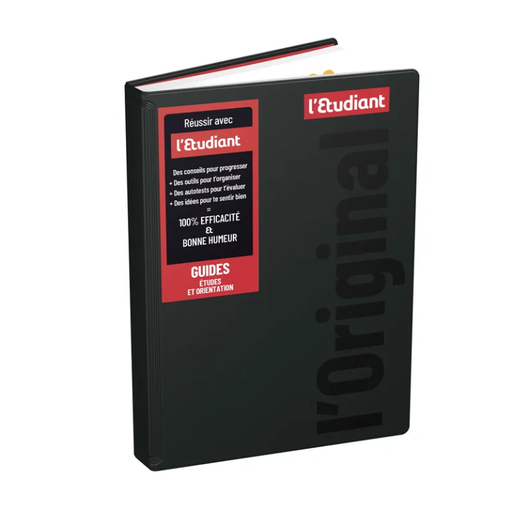
PERFECT FOR: THE PRAGMATIC STUDENT
L'Etudiant Original Black Academic Planner 2026–2027

L'Etudiant Original Black Academic Planner 2026–2027

Why we love it: Built to survive an intense school year. Its 15x21 cm size slips into any backpack while offering a full page per day to note down homework, classes, and appointments without feeling cramped.

How It Avoids the Pitfalls

Its spiral binding is designed to withstand the roughest daily handling. The layout is straightforward and no-frills for maximum efficiency.

Key Advantage

A full page per day to ensure nothing is forgotten, covering the entire 2026-2027 school year.
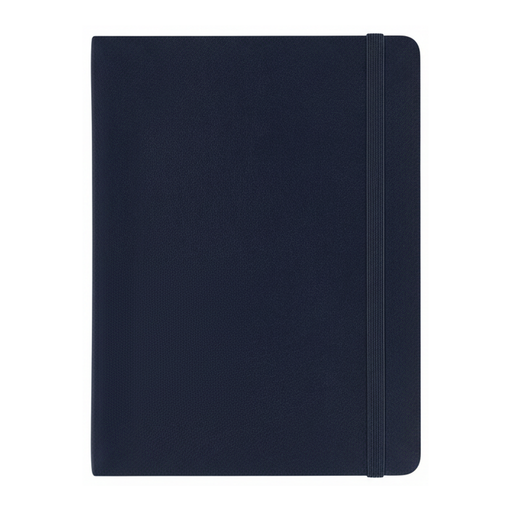
PERFECT FOR: THE DISCERNING PROFESSIONAL
MOLESKINE 12-Month Weekly Planner Large Softcover Blue

MOLESKINE 12-Month Weekly Planner Large Softcover Blue

Why we love it: The understated elegance and efficiency of Moleskine. Its weekly view on the left, paired with a lined notes page on the right, is the perfect format for juggling appointments, to-do lists, and ideas.

How It Avoids the Pitfalls

The sewn binding ensures a flawless lay-flat opening. Its famous ivory-coloured 70 g/m? paper, FSC certified, is a safe bet for a renowned writing experience.

Key Advantage

The weekly planner + notes two-page spread, and its expandable inner pocket for storing business cards and receipts.

PERFECT FOR: THE FLEXIBLE CREATIVE
Jubiluu A5 Undated Hardcover 18-Month - Sage Green

Jubiluu A5 Undated Hardcover 18-Month - Sage Green

Why we love it: This is the ultimate tool for freedom. This undated planner is ideal for those who don't have a traditional schedule. Start it whenever you want, skip weeks without wasting paper, and customise it endlessly.

How It Avoids the Pitfalls

Its thick 100 g/m? paper is its main strength: it handles various markers and pens with ease, without any show-through. The hardcover and solid binding make it a durable companion.

Key Advantage

Total freedom with its 18-month undated format and premium paper for a no-compromise writing experience.

Looking for other models?

Discover our complete selection of planners and journals that meet our quality standards.

Frequently Asked Questions (FAQ)

Weekly planner or daily planner: which one should I choose?

It all depends on how much space you need each day.

  • A weekly planner gives you a complete overview of your week at a glance. It's ideal for quickly viewing your commitments and is often more compact.
  • A daily planner (one page per day) offers generous space for your to-do lists, meeting notes, or even journaling. Though bulkier, it's perfect for highly detailed planning.

What paper weight should I choose for my planner?

For standard use with a ballpoint pen, paper that is 70 or 80?g/m? will do the job. If you're a fan of fountain pens, fine-liners, or bullet journaling, you should aim for a weight of 90 or 100?g/m?. This ensures that the ink won't bleed through.

Who is the undated planner for?

The undated planner is perfect for freelancers, creatives, students with fluctuating schedules, or anyone who doesn't need to plan every single day of the year. It offers maximum freedom, prevents waste, and can be started at any time.