
Livraison le jour même ou le lendemain

Qualité garantie

Débloquez vos offres de bienvenue: Livraison GRATUITE | Jusqu'à -80 % | 30 jours d'essai gratuits à JoyPlus
Téléchargez l'application
As a new year or the back-to-school season approaches, choosing a planner is the first step towards better organisation. Yet, with the overwhelming number of options available, it's easy to make a mistake and end up with a tool that, far from simplifying your life, becomes a source of frustration. Paper that tears, a binding that falls apart, or an unsuitable layout—disappointments are common. This guide gives you the keys to making an informed choice and finding the planner that will serve you faithfully throughout 2026.
Before you dive in, let's review the deal-breakers that too often turn a promising purchase into a letdown.
To avoid these disappointments, a few technical specifications are worth inspecting closely. These are the true guarantors of the quality and durability of your future organisational planner.
Expressed in grams per square meter (gsm), paper weight is the criterion that defines the paper's thickness and opacity.
The way the pages are assembled directly affects your planner's lifespan and usability.
Above all, the layout must fit your daily life.
To help you see more clearly, here are a few models that tick all the boxes, each tailored to a specific user profile.
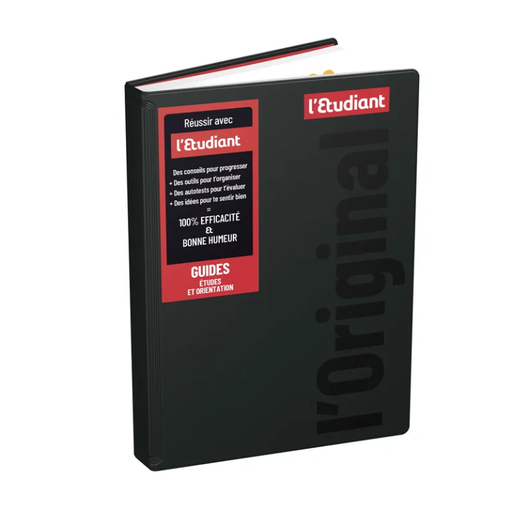
Why we chose it: A true classic, designed specifically for the school year. This 2026-2027 academic planner is a time-tested companion for noting down classes, homework, and exam dates. Its daily format provides all the space you need to remember everything.
Its sturdy spiral binding is designed to withstand being tossed in a backpack and handled daily. No more worrying about the binding falling apart! Its structure is perfectly aligned with the academic year, making it a genuinely useful tool, not a constraint.
One page per day for uncompromising organisation. Practical 15 x 21 cm size and made in France.

Why we chose it: The perfect find for freelancers, project managers, or anyone whose schedule doesn't follow a traditional calendar. This undated planner provides an 18-month view for long-term planning, without the rigidity of the civil year.
Thanks to its thick 100 gsm paper, you can say goodbye to ink bleeding through the pages. Its hardcover and meticulous construction guarantee excellent durability, even when carried everywhere.
Superior quality paper and absolute flexibility thanks to its undated structure, which combines monthly and weekly views.
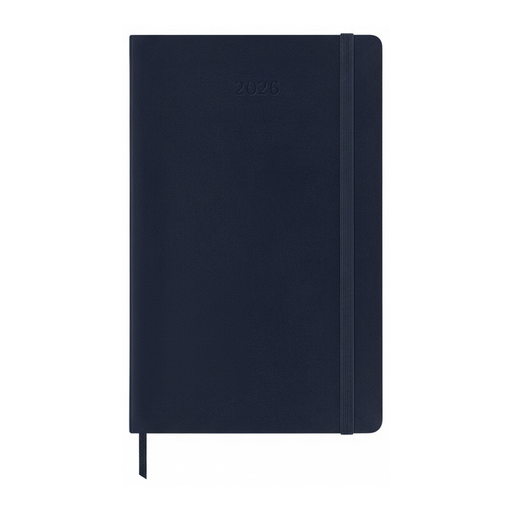
Why we chose it: For fans of **Moleskine's** minimalist design who are looking for the structure of a 2026 daily planner. It combines the brand's iconic aesthetic with the efficiency of rigorous daily planning.
Its masterstroke: the sewn binding that guarantees a perfect 180° lay-flat opening. No more planners that snap shut on their own! This is an object designed to serve you faithfully from January 1st to December 31st.
A clear daily layout, the brand's emblematic design, and FSC-certified paper from sustainably managed forests.
Explore our full selection of diaries and planners, where every product has been chosen for its quality, durability, and design.
Although the terms are often used interchangeably, the nuance is simple. A diary focuses on time management: appointments, deadlines, key dates. An organisational planner goes further, integrating dedicated sections for goal tracking, budget management, note-taking, or personal development. It's a more holistic approach to organisation.
It all depends on your lifestyle. A pocket size (A6) is ideal for those on the go who only jot down the essentials. The A5 planner size is the most versatile: it fits easily into a bag while still offering real writing comfort. The large format (A4), meanwhile, is perfect for stationary use on a desk, where it becomes a true dashboard for your week.
Not for everyone. If you're a fan of ballpoint pens and the slight show-through on the back doesn't bother you, 70 or 80 gsm paper will do the job. However, if you swear by fountain pens, fine-liners, or highlighters, investing in 100 gsm paper (or higher) will transform your experience and ensure your planner stays pristine from start to finish.