
Livraison le jour même ou le lendemain

Qualité garantie

Débloquez vos offres de bienvenue: Livraison GRATUITE | Jusqu'à -80 % | 30 jours d'essai gratuits à JoyPlus
Téléchargez l'application
A planner diary can be used to note appointments, keep track of classes, structure a creative project or plan a trip. But not all models are equally practical. Some soon prove bulky, difficult to read or restrictive. The problem may lie in a poorly designed layout, paper that’s too thin or dates printed in advance, even though the way you organise your time may change.
Before placing an order, take the time to check three things: the size, the page layout and the build quality. Here are the criteria to consider when choosing a planner that really suits your day-to-day needs.
A colourful or beautifully decorated cover catches the eye, but it tells you nothing about how easy the pages are to read. A weekly planner should leave enough room for appointments, tasks and priorities. If the layout is too busy, you may soon find the diary frustrating to use every day.
In particular, check:
A dated diary is useful for keeping track of a specific period, but some of its pages will go unused if you buy it several months after the start of term or the new year. Students, freelancers and people who regularly switch between projects will often be better off choosing an undated diary. You can start using it at any time, and it adapts to your routine.
By contrast, a dated school or work diary lets you see a set period at a glance, without having to write in the dates yourself. So the right choice depends mainly on how you organise your time, not just on the product’s appearance.
Paper that’s too thin may let ink show through on the other side, or even tear after repeated use. The cover also deserves your attention, especially if you’ll be carrying the diary in a bag every day.
A hardback planner offers better protection against scuffs and knocks. An elastic closure, a bookmark or an inside pocket can also make it easier to use every day, as long as they don’t make the diary too bulky.
The A5 diary, measuring around 14.8 × 21 cm, is a good compromise for a bag, desk or classroom table. It gives you enough room to combine planning and note-taking, while remaining relatively easy to carry.
A larger model, for example 21 × 27 cm, is better suited to anyone who writes a lot or wants to display several activities across the same week. The trade-off is that it takes up more space in a bag.
For the start of term, a school diary usually covers the academic year and features a layout suited to homework, exams and extracurricular activities. Check the page count, binding and whether it has a page per day if you need to record lots of details.
The weekly view gives you an overview. It’s ideal for appointments, changing timetables and planning tasks. A notes section on each double-page spread is particularly useful for adding a to-do list, reminders or a few ideas.
A daily layout gives you more room, but also makes the diary larger overall. It’s particularly well suited to students, busy professionals and anyone who likes to plan their day in detail.
The monthly view is mainly for keeping track of deadlines, trips and medium-term goals. To keep all your plans in one place, look for a model that combines a monthly calendar, weekly planner and notes pages.
Paper weight is measured in grams per square metre. In practice, 100 g/m² paper generally feels thicker and more pleasant to write on than 70 g/m² paper. However, this alone doesn’t guarantee that ink won’t show through: the result also depends on the ink and type of pen you use.
Remember to check:
For goal planning, choose a model with pages set aside for ideas, priorities or project tracking. A simple calendar may not be enough for anyone looking for a dedicated planning notebook.
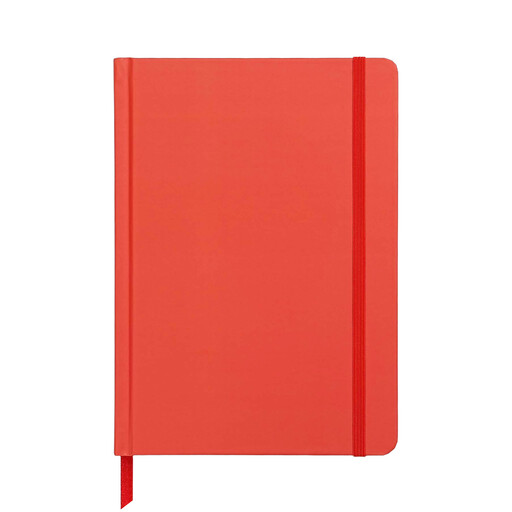
Why this model could suit you : Its A5 size and undated layout mean you can start at any time, without wasting pages if your plans change.
The undated monthly and weekly pages mean you won’t have unused sections in a diary bought part-way through the year.
224 pages listed, 100 g/m² ruled offset paper, hardback cover, elastic closure and bookmark.
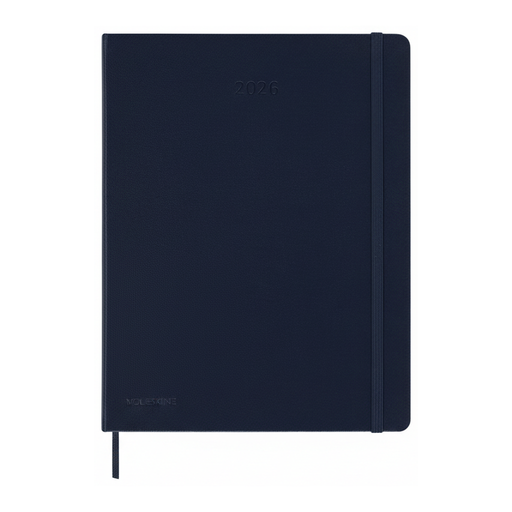
Why this model could suit you : Its large format lets you keep appointments, projects, trips and notes together in one place.
The weekly layout, with a notes section, helps you avoid choosing a diary that looks appealing but isn’t practical.
Hardback cover, elastic closure, bookmark, inside pocket and pages dedicated to trips, ideas and goals.
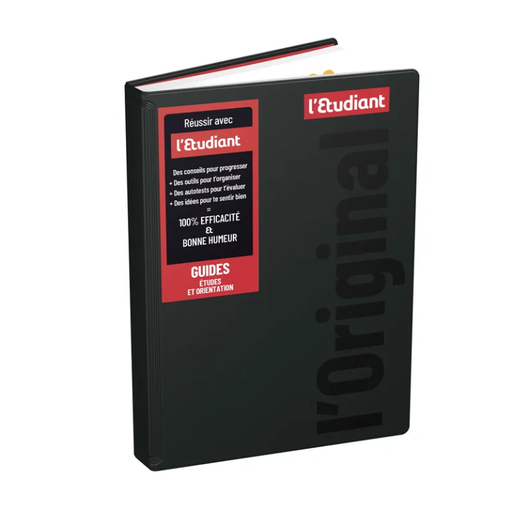
Why this model could suit you : Its one-page-per-day layout and 15 × 21 cm size meet the needs of students and anyone who regularly records lots of information.
The daily layout means you don’t have to squeeze too much information into a small weekly box.
352 pages listed, 15 × 21 cm format, semi-rigid cover and spiral binding.
We’ve brought together a comprehensive selection, updated in real time, of products that meet these exacting criteria while complying with European safety regulations.
Keep it in a dry place, away from damp, heat and direct sunlight. To clean a hardback or faux leather cover, use a soft, dry cloth. Avoid overfilling the inside pocket too, as this could distort the binding.
Its lifespan depends on how often you use it, how you carry it and the quality of the binding. A hardback cover, an elastic closure used without stretching it too far and paper that’s thick enough all help to keep your diary in good condition. Undated models can remain useful for longer because they aren’t tied to a specific period.
Choose a dated model if you need to plan a clearly defined school or work period. An undated diary is better suited to irregular schedules, one-off projects and tracking goals. To compare other sizes, colours and layouts, browse the academic diary category.