
Livraison le jour même ou le lendemain

Qualité garantie

Débloquez vos offres de bienvenue: Livraison GRATUITE | Jusqu'à -80 % | 30 jours d'essai gratuits à JoyPlus
Téléchargez l'application
July 2026. The idea of buying a traditional planner already seems... outdated. The pages from January to June, already unusable, would be a frustrating reminder of months gone by. It's a frustration well-known to professionals, students, and creatives alike: the need for a tool that adapts to our rhythm, not the other way around.
Starting a new project, resuming studies mid-year, or simply wanting to better structure your goals? Choosing a planner is a highly personal decision. This guide breaks down the best options for you, exploring the flexibility of the undated planner while not forgetting the strengths of classic models. The goal: to help you find the notebook that will perfectly match your workflow.
Before diving into our selection, let's review a few key points to help you gain clarity and find the tool that's truly right for you.
The first and most important choice often pits the total freedom of an undated planner against the reassuring framework of a traditional agenda.
For a tool you use every day, writing comfort is non-negotiable. The A5 planner format (approx. 15 x 21 cm) is an excellent balance between portability and note-taking space. Also consider the paper weight: while 80 g/m? is standard, a 100 g/m? paper (or higher) is a game-changer. It's more opaque, more pleasant to the touch, and prevents ink from bleeding through the page.
It all depends on your desired level of detail.
Absolute flexibility or a proven structure? Here are our top picks that cater to different organisational styles.
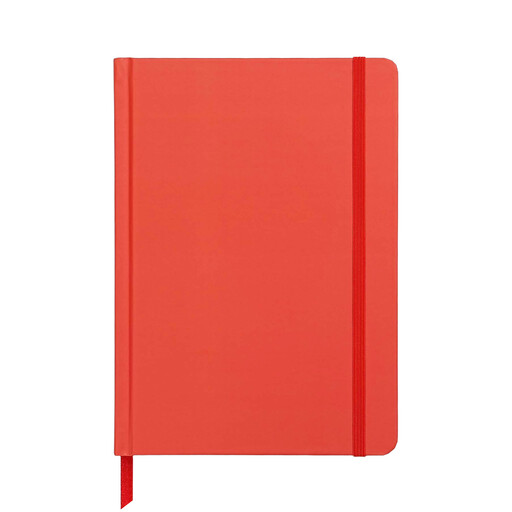
Why it stands out: This model combines great flexibility with a long-term vision. Its undated 18-month structure allows you to start at any time and plan over an extended period—a key advantage for academic or professional projects that span two calendar years.
Advantages:
Who is it for? Students, project managers, and anyone who needs a sturdy organisational notebook for long-term planning without the constraints of a fixed calendar.
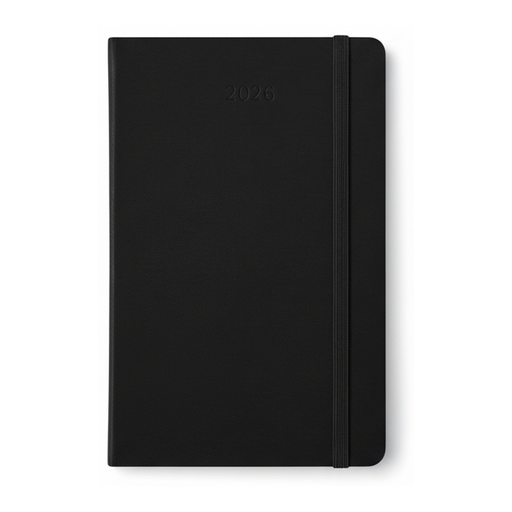
Why it stands out: The Moleskine planner, a benchmark for its minimalist design and impeccable quality, needs no introduction. This dated model, running from January to December 2026, offers a clear structure and an immediate overview of the year.
Advantages:
Who is it for? Professionals and anyone who appreciates a structured framework for their annual planning, with the touch of a renowned design and quality materials.
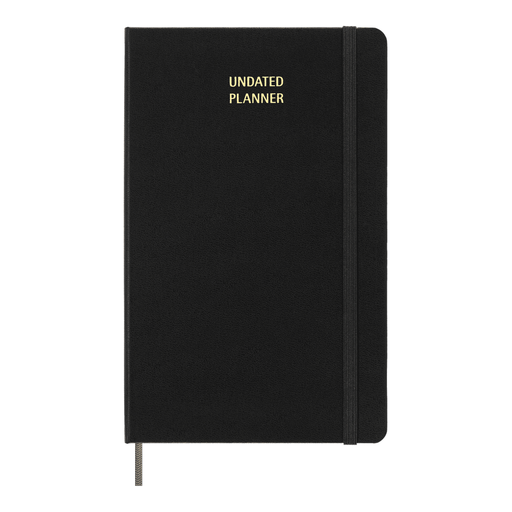
Why it stands out: This model brings together the best of both worlds: the flexibility of an undated planner and the iconic Moleskine design. It's designed for those who want a customisable tool without compromising on style.
Advantages:
Who is it for? Creatives, freelancers, and all Moleskine fans who want an organisational notebook that adapts to an unconventional schedule.
Your organisational method is unique. If the perfect notebook isn't in this selection, don't worry: dozens of other formats, designs, and layouts are waiting for you.
? Explore our full collection of Weekly Notebooks, Agendas, and Planners
An undated planner offers maximum flexibility. It allows you to start your planning at any time of the year without wasting pages. It's the ideal solution for projects with variable durations, university semesters, or if you like to take breaks from your planning.
Start by filling in the dates for the months and weeks you plan to use. Use the monthly view pages to note important events and general goals. Then, fill in your weekly planner as you go to detail your tasks and appointments. The key is to adapt it to your own system.
The terms are often used interchangeably, but the nuance is simple. An agenda traditionally focuses on time management: appointments, deadlines, all on specific dates. A planner (or organisational notebook) goes further: it often integrates sections for goal tracking, project management, habit tracking, to-do lists, and more significant note-taking spaces.