
Livraison le jour même ou le lendemain

Qualité garantie

Débloquez vos offres de bienvenue: Livraison GRATUITE | Jusqu'à -80 % | 30 jours d'essai gratuits à JoyPlus
Téléchargez l'application
As the new year approaches, the search for the perfect 2026 planner is on. Far from being a simple notebook, it's the tool that will set the pace for your projects, appointments, and goals. However, the choice can quickly become a headache. Between marketing promises and the overwhelming variety of formats, it's easy to end up with a planner that gets tossed in a drawer. To avoid this fate, let's review the common mistakes and the criteria that truly matter.
Here are the two most frequent mistakes when buying a planner:
To ensure you don't regret your purchase, a few technical points deserve your attention. They are rarely highlighted but make all the difference in daily use.
Paper weight, expressed in grams per square meter (g/m? or gsm), determines the paper's thickness and opacity. A planner with low-weight paper will allow your pen's ink to show through on the other side (a phenomenon experts call "ghosting").
The choice of layout is undoubtedly the most personal one. It must perfectly match your organizational style.
A planner is handled hundreds of times a year, so its sturdiness is paramount.
To help you see more clearly, here are a few options tailored to specific needs.
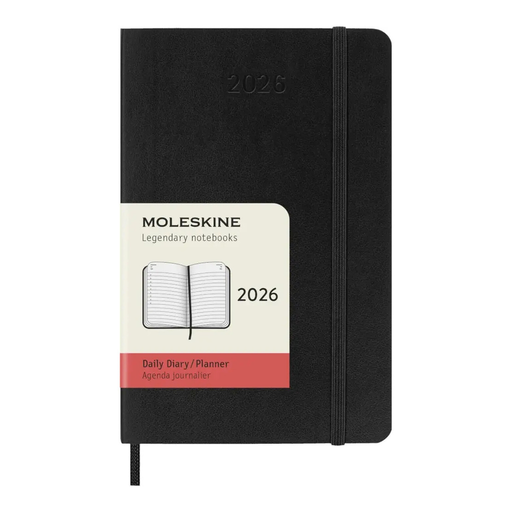
Why we chose it: The meticulous professional needs ample space to jot everything down. The full-page daily format is ideal for recording appointments, to-do lists, and meeting notes.
Its daily layout precisely meets the need for detailed planning, avoiding the frustration of a restrictive weekly view. The stitched binding ensures it lays flat and offers rock-solid durability for intensive daily use.
A full page for every day, including weekends. The 70 gsm, FSC-certified ivory-colored paper provides an excellent writing experience.
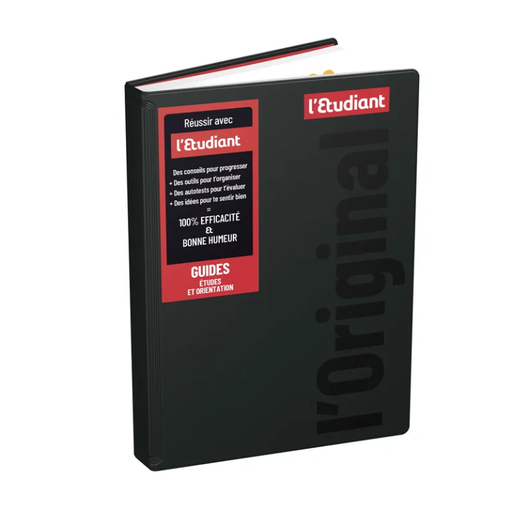
Why we chose it: A student's schedule is based on the academic year, not the calendar year. This **2026-2027 academic planner** covers the period from September to September and offers one page per day to note classes, homework, and exam dates.
It's specifically designed for the academic calendar, so you don't have to buy two planners a year or use an unsuitable model. The spiral binding is robust and practical for heavy use in a backpack.
One-day-per-page format, a durable semi-rigid cover, and French manufacturing. A tool designed by and for students.
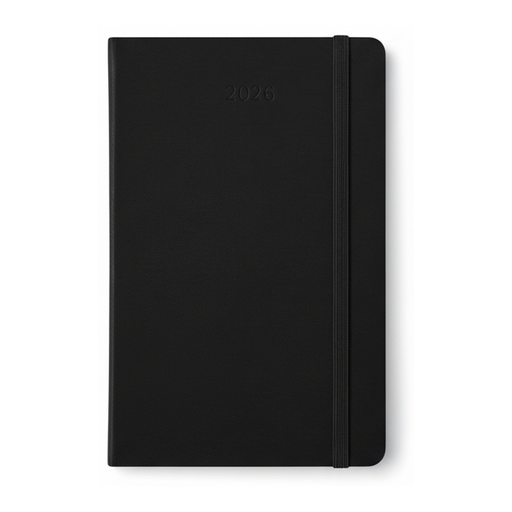
Why we chose it: Ideal for those who prioritize the big picture. The horizontal weekly format, which displays the week across a two-page spread, lets you see appointments and key deadlines at a single glance.
By offering a clear and concise structure, this weekly planner avoids the feeling of being "obligated" to fill an entire daily page. It's perfect for those whose organization is more macro than micro.
The horizontal layout provides a panoramic view of the week. It includes travel planning tools, goal-setting pages, and personalization stickers.
We have selected a full range of products that meet these quality criteria.
A daily planner dedicates an entire page to each day, offering ample space for details. A weekly planner displays the whole week on one or two pages, which is ideal for a quick overview of appointments and main tasks. The choice depends on your need for daily detail.
The format depends on your use case.
A high-quality 70 gsm paper, like the one used by Moleskine, is designed to minimize bleed-through and show-through with most inks. However, for fountain pens with very high ink flow or highly saturated inks, slight ghosting (where the writing is faintly visible on the reverse side) may occur. For a no-compromise experience with a fountain pen, paper of 90 gsm or higher is strongly recommended.