
Livraison le jour même ou le lendemain

Qualité garantie

Débloquez vos offres de bienvenue: Livraison GRATUITE | Jusqu'à -80 % | 30 jours d'essai gratuits à JoyPlus
Téléchargez l'application
As the new year or back-to-school season approaches, choosing a diary or planner becomes an essential ritual. Yet, with an overwhelming number of options, it's easy to be tempted by the wrong model and abandon it after just a few weeks. Tearing paper, a binding that gives way, an unsuitable layout—the frustrations are many.
This guide will help you understand the key criteria for making an informed choice and finding the tool that will truly fit your daily life, whether you're a professional, a student, or in charge of the family calendar.
Before falling for a pretty cover, it's wise to be aware of the hidden flaws that can quickly turn your purchase into a disappointment.
To avoid these disappointments, it's best to rely on objective technical specifications. These are the true guarantors of your future planner's quality and durability.
Paper weight, expressed in grams per square metre (gsm), defines the paper's thickness and opacity.
Also, consider looking for certifications like the FSC label, which guarantees that the paper comes from responsibly managed forests.
The choice of layout should, above all, align with your organizational style.
A planner's practicality also depends on its size and durability.
To illustrate how these criteria translate into real-world products, here are a few user profiles and the planners that suit them.
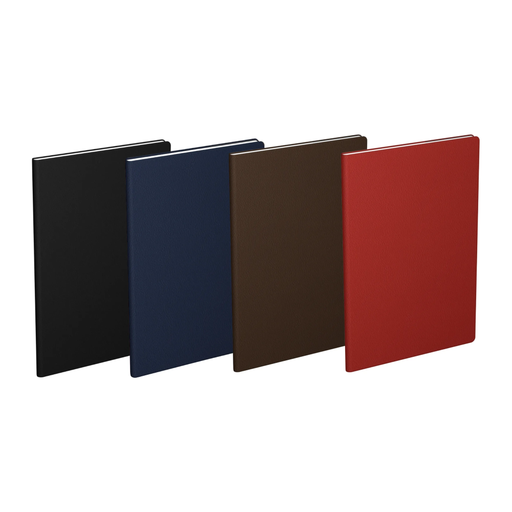
Why we chose it: This 2026-2027 academic planner is built for intensive use throughout the year. Its large format provides ample space for noting homework, classes, and appointments, while its weekly view lets you see your schedule at a glance.
Its durable PVC cover is a real shield against daily wear and tear. This eliminates the risk of a flimsy binding that falls apart in your backpack.
A generous format (21x27 cm) and a clean, functional design, built for maximum efficiency.

Why we chose it: This undated planner is synonymous with total freedom. It's perfect for those whose projects don't follow a traditional calendar, or for *bullet journal* enthusiasts who want to customise their layout. Its hardcover and colour palette make it as stylish as it is practical.
With its thick 100 gsm paper, it sidesteps the low-quality paper trap. Ink won't bleed through, leaving you free to use all your favourite pens without any restrictions.
Maximum flexibility with its 18-month undated format and a premium writing experience thanks to its high-quality paper.
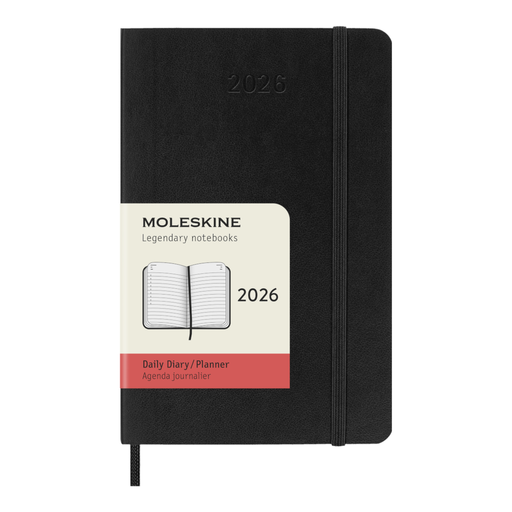
Why we chose it: The Moleskine notebook is a true institution, renowned for its quality and timeless design. This pocket-sized daily model is the perfect ally for professionals on the go who need to jot down detailed information at a moment's notice. It slips easily into a jacket pocket or a small bag.
Its stitched binding and 180° lay-flat opening are guarantees of rock-solid durability, even with heavy use. It's designed to accompany you all year long without ever failing.
A page a day for meticulous planning in a compact and sturdy format, with the details that make all the difference: an inner pocket and a ribbon bookmark.
Explore our full selection of products that meet our quality standards and current regulations.
It all depends on your habits. A paper planner aids memorisation and offers a distraction-free experience, which is ideal for focusing. A digital calendar, like the TABWEE P15 model, shines with its sharing and syncing features (perfect for a family calendar or a team) and automatic reminders. Far from being incompatible, the two complement each other perfectly.
The Forest Stewardship Council (FSC) certification ensures that the wood used to make the paper comes from sustainably managed forests from an environmental, social, and economic perspective. By choosing a product with this label, like those from the Moleskine brand, you are helping to protect the world's forests.
The main advantage of an undated planner is its flexibility. To get started, simply fill in the months and days yourself as you go. Consider creating a key on the first page (symbols for appointments, tasks, important events, etc.). And most importantly, don't hesitate to skip a week if you don't need it—that's the whole point of a format that adapts to your rhythm, not the other way around.