
Livraison le jour même ou le lendemain

Qualité garantie

Débloquez vos offres de bienvenue: Livraison GRATUITE | Jusqu'à -80 % | 30 jours d'essai gratuits à JoyPlus
Téléchargez l'application
A diary can quickly become an impractical accessory: pages that are too narrow, a cover that wears out, insufficient space for taking notes, or a layout that doesn’t suit your routine. Whether you’re a professional, a student, a creative, a traveller, or simply someone looking to stay organised, the choice goes far beyond style or brand.
A 2026 diary must first and foremost adapt to the way you organise yourself. Here are the criteria to consider, the pitfalls to avoid, and a selection of models designed for different needs.
A small diary slips easily into a bag, but it can leave too little room for noting down appointments, tasks and remarks. If your days are packed with meetings, to-do lists or travel, a large-format diary will often be more comfortable.
On the other hand, a model that is too bulky may end up staying on your desk or at home. Before ordering, check its actual dimensions, thickness and weight.
A 2026 weekly diary lets you see several days at a glance across a double-page spread. It works well for variable schedules, studies, project tracking or family organisation.
A 2026 daily diary offers more space for each day. It’s better suited to people who take lots of notes, follow detailed tasks, or keep a proper logbook.
An elegant cover doesn’t guarantee a pleasant daily experience. Check for an elastic closure, a bookmark, an inner pocket, and a binding that is flexible enough to lie flat. These details make a real difference when you consult your diary several times a day.
For a notebook carried in a bag, a hard cover offers better protection. A soft cover, however, will be lighter and often more comfortable to handle.
The A5 format, approximately 14.8 × 21 cm, is a very common compromise between portability and writing space. A larger model will be preferable on a desk, for managing projects or for keeping a professional diary.
Also examine the page layout:
The paper weight gives a first indication, but it alone isn’t enough to judge paper quality. The models featured here use 70 g/m² paper or 100 g/m² offset paper.
Thicker paper generally handles ballpoint pens, rollerballs and light felt-tips better. However, check its compatibility with your writing instruments. Ivory and acid-free paper are also appreciated for their visual comfort and better longevity. Some Moleskine models state that they use paper from FSC-certified forests and other controlled sources; this refers to the declared origin of the paper, not a general promise applicable to the entire product.
A binding that opens 180° makes note-taking easier on a desk. The elastic closure prevents pages from opening in a bag, while an expandable pocket lets you keep tickets, receipts and loose sheets.
To preserve your planning notebook, store it in a dry place, away from humidity, excessive heat and prolonged exposure to sunlight. Covers can generally be cleaned with a soft, dry cloth.

Why this choice suits this profile: Its A5 format and undated layout let you start whenever you like, without wasting pages if your routine changes along the way.
The undated monthly and weekly pages reduce the risk of ending up with a diary that is too rigid for irregular use.
Hard cover, 224 pages, 100 g/m² ivory offset paper, elastic closure and bookmark.
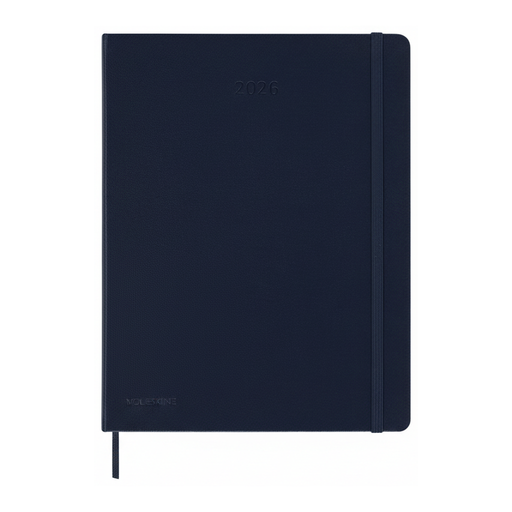
Why this choice suits this profile: This large-format weekly planner combines a hard cover, a structured layout and dedicated pages for projects, travel and goals.
The notes space alongside each week means you don’t have to transfer your tasks onto separate sheets.
70 g/m² acid-free ivory paper, lay-flat binding, expandable inner pocket, elastic closure and stickers.
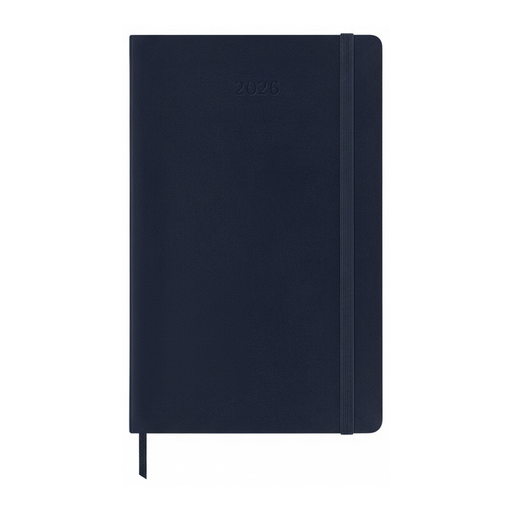
Why this choice suits this profile: One page per day is ideal for busy schedules, project tracking and users who regularly record their tasks and ideas.
The daily view prevents a lack of space, while the sections for travel, goals and ideas keep all information in one place.
Large format, soft cover, elastic closure, bookmark, expandable pocket and lay-flat opening.
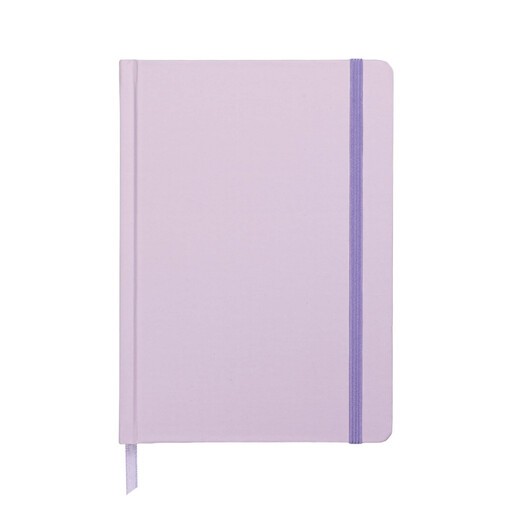
Why this choice suits this profile: Its easy-to-use structure and range of colours make it adaptable to studies, work, creative projects or journaling.
The undated system suits periods of intermittent use and avoids wasting pages when the diary isn’t filled every week.
224 pages, 100 g/m² ivory offset paper, hard cover, elastic closure and monthly and weekly sections.
We’ve put together a comprehensive, real-time updated selection of products that meet these demanding criteria as well as European safety regulations.
The A5 or Large format generally offers a good balance between portability and writing space. If you have back-to-back meetings, go for a daily view or a weekly model with a notes section.
Yes, depending on how often you use it. An 18-month undated diary doesn’t automatically follow the calendar dates – you fill in the months, weeks and days yourself. This can work well for a school schedule, occasional assignments or project planning.
Keep it away from moisture, don’t overfill the inner pocket, and use the elastic closure without pulling it too hard. Store the diary flat or upright in a dry place. If the model contains stickers or small parts, keep them out of reach of young children.