
Livraison le jour même ou le lendemain

Qualité garantie

Débloquez vos offres de bienvenue: Livraison GRATUITE | Jusqu'à -80 % | 30 jours d'essai gratuits à JoyPlus
Téléchargez l'application
Choosing a diary seems simple… until the cover starts to wear, the pages turn out to be too small or the layout does not suit your routine. Whether you are considering a 2026 weekly diary, a 2026 daily diary, an undated planner or a simple notebook, the differences have a direct impact on ease of use.
Before placing your order, it is best to avoid three common pitfalls: judging a product solely by its appearance, underestimating how much space it will take up and confusing the number of pages with the amount of space actually available. Here are the key criteria to consider when choosing a model suited to your habits, whether you are a student, professional, creative, frequent traveller or keen journal writer.
A hardback diary protects its pages better in a bag, but it can also take up more room. A soft cover is lighter, but may crease or show marks more easily. The material also matters: faux leather, PVC, card and synthetic coatings do not offer the same feel or level of durability.
It is therefore better to check the product’s exact specifications rather than be persuaded by phrases such as ‘luxurious look’ or ‘superior quality’. Included accessories — such as an elastic fastening, bookmark or inner pocket — are generally easier to assess in practical terms.
A 160-page lined notebook may be perfect for taking notes, without offering the right organisation for keeping track of appointments. Conversely, a planner built around monthly and weekly views may contain fewer pages while making it easier to manage tasks.
Look closely at how the pages are divided: calendar, weeks, days, notes, goals and any pages dedicated to travel. This structure, much more than the number printed on the cover, determines how much space you will have to write.
An A5 planner measures approximately 14,8 × 21 cm. It provides a comfortable writing area for detailing a week, but is bulkier than an A6 notebook. The latter measures approximately 10,5 × 14,8 cm and slips easily into a small pouch, but leaves less room for long lists or several appointments on the same day.
Remember to measure the space available in your bag and check the weight if you plan to carry the diary every day.
A 2026 weekly diary is ideal for anyone who wants to see their appointments and tasks at a glance. With a horizontal layout, the week generally spans two pages. A vertical layout, on the other hand, can be more practical for keeping track of specific times.
A 2026 daily diary provides more space for each date. It is well suited to busy days, writing reports or keeping detailed track of projects. The trade-off is that it is often bulkier and heavier.
An undated planner follows a different approach: you can start it at any time, without wasting pages during the holidays, and use it at your own pace. An 18-month undated model can therefore support a career change, an academic year or a personal project.
Paper weight gives you an initial indication of the paper’s thickness, but it is not enough to guarantee compatibility with every writing instrument. 100 g/m² offset paper is thicker than 70 g/m² paper, while acid-free ivory paper is designed to support long-term preservation, in line with the specifications stated by the manufacturer.
If you use a fountain pen, felt-tip pens or highlighters, look for the available information about the paper and, if possible, test it on a less visible page. An elastic fastening keeps the notebook closed, a ribbon helps you find a page quickly and a pen loop means you do not have to carry your pen separately.
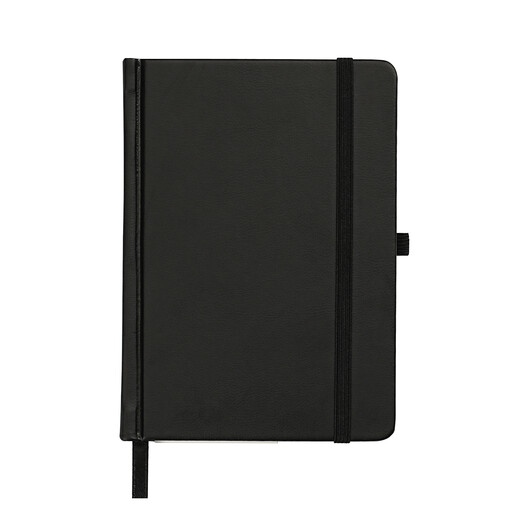
Why this choice suits this profile : Its compact format is ideal for students and anyone looking for a versatile notebook for lists, ideas or everyday tasks.
Its 160 lined pages and 100 g/m² offset paper make its capacity clear, so it is not mistaken for a structured diary.
A6 format, PU cover, ribbon bookmark, elastic fastening and pen loop.
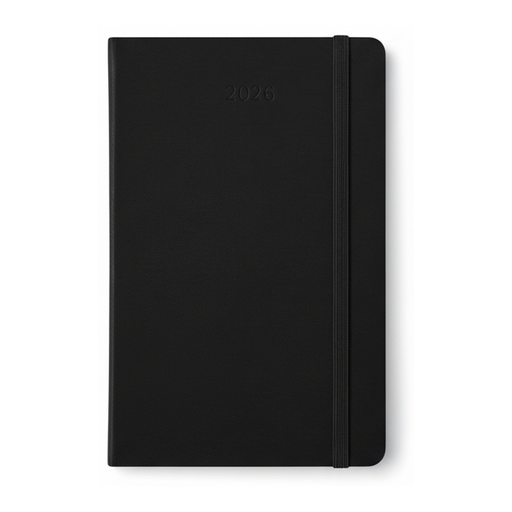
Why this choice suits this profile : Professionals, creatives and travellers benefit from a structured weekly view, with dedicated spaces for goals, ideas and travel plans.
The product details specify the horizontal layout, 21 × 13 cm format, 70 g/m² paper and included accessories.
180° lay-flat opening, expandable inner pocket, elastic fastening and paper from FSC-certified sources, according to the product details.
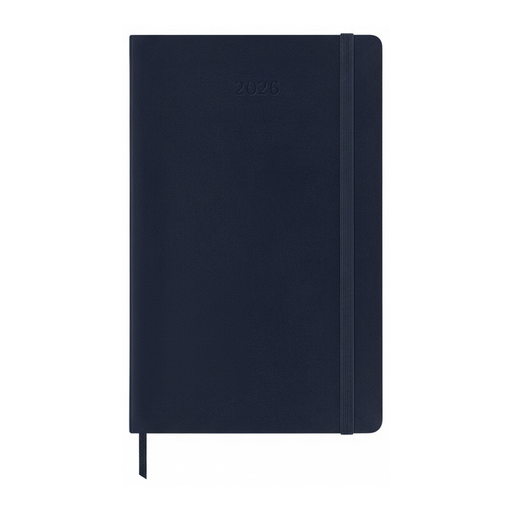
Why this choice suits this profile : A page per day is ideal for busy schedules, project tracking or detailed daily writing.
The daily page prevents several appointments from being crammed into a weekly space that is too narrow.
Blue soft cover, elastic fastening, ribbon bookmark, inner pocket and sections dedicated to goals and travel.
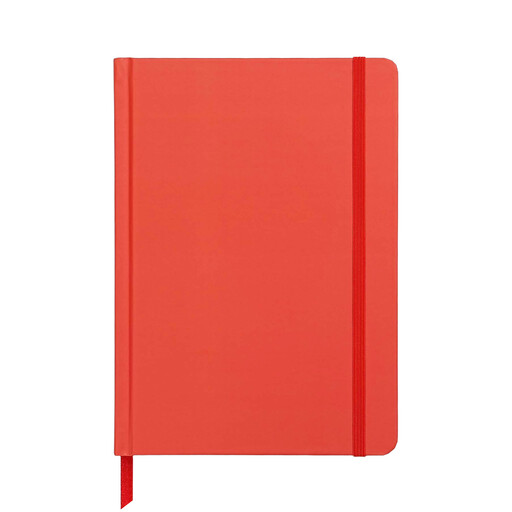
Why this choice suits this profile : Anyone starting a project part-way through the year can benefit from a monthly and weekly structure without fixed dates.
The ‘undated’ format and 18-month design prevent numerous pages from going unused when you start your diary later in the year.
A5 format, 224 pages, 100 g/m² offset paper, monthly and weekly views, hard cover and several colours.
We have put together a complete, regularly updated selection of products that meet these demanding criteria, while also taking European safety regulations into account.
The A5 format suits most professional and school timetables. Choose A6 if lightness and quick notes are your priorities. An XL or 21 × 27 cm model offers more room for meetings, lessons and detailed projects.
Its lifespan depends on the binding, cover, frequency of use and transport conditions. A hard cover and elastic fastening can provide better protection for the contents, provided you keep the diary away from moisture, excessive heat and direct sunlight. With an undated planner, how long you use it also depends on how quickly you fill the pages.
A dated diary is suitable when your appointments follow a fixed calendar. An undated planner offers greater flexibility for journalling, tracking goals, returning to education or starting a project on a variable date. Before ordering, focus on comparing the layout, format and space set aside for notes.