
Livraison le jour même ou le lendemain

Qualité garantie

Débloquez vos offres de bienvenue: Livraison GRATUITE | Jusqu'à -80 % | 30 jours d'essai gratuits à JoyPlus
Téléchargez l'application
The new school year is just around the corner, and with it comes the annual quest for the perfect organizational tool to see you through the year. Choosing a 2026-2027 academic planner might seem trivial, but numerous pitfalls can turn this purchase into a real disappointment. A binding that falls apart mid-semester, paper so thin that ink bleeds through, or a layout that doesn't fit your needs—these setbacks are surprisingly easy to avoid.
This guide is here to help you make an informed decision. We'll break down the key technical specs and point you toward the best options, whether you're looking for a student planner or a weekly organizer for your professional life.
To avoid making a mistake, focus on a few often-overlooked technical aspects. These are the details that make all the difference between a planner that's abandoned by October and a reliable companion that lasts until final exams.
Paper weight, expressed in grams per square meter (gsm or g/m?), determines the paper's thickness and opacity. It's a crucial factor for your writing experience.
The durability of your planner largely depends on its binding.
The choice of layout should primarily match your workflow and organizational needs.
To put theory into practice, here are a few models that cater to different needs and profiles.
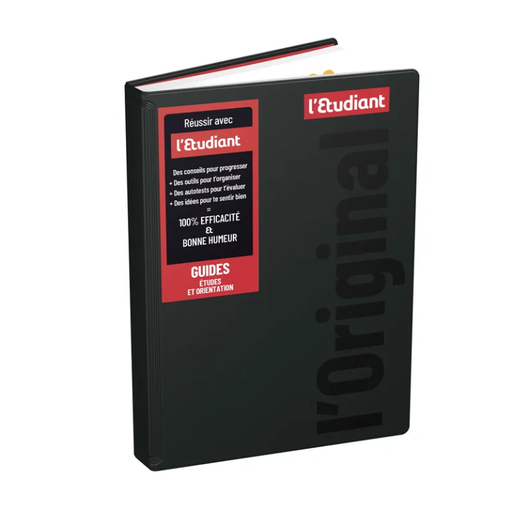
Why it's a great choice: Specifically designed for the French academic calendar, this student planner offers one page per day, perfect for detailing homework, lessons, and appointments. Its classic format and sturdy cover are built to survive a full year in a school bag.
It avoids the trap of an unsuitable layout by offering a daily planner format perfectly calibrated for a student's needs, with all the necessary space for each day.
Durable semi-rigid cover, practical spiral binding for daily use, and made in France.

Why it's a great choice: This undated planner is perfect for those with a fluctuating schedule or who manage long-term projects. Its A5 notebook format is an excellent compromise between portability and writing space, and its colorful hardcover adds a touch of elegance.
With its 100 gsm paper, the problem of ink bleed-through is a thing of the past! You can use your favorite pens without fear of ruining the reverse side, a far too common flaw in standard planners.
Total flexibility thanks to its 18-month undated format. Superior paper quality for an optimal writing experience.
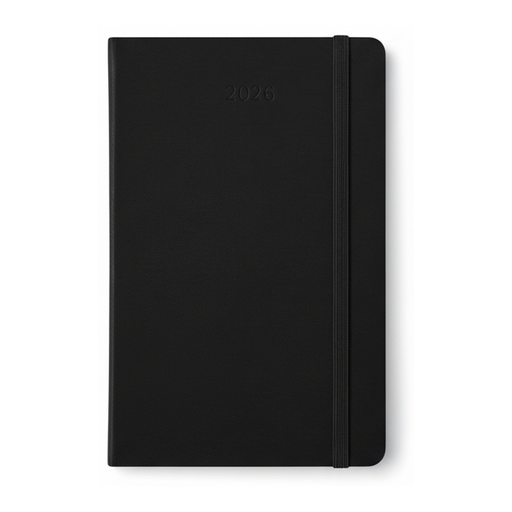
Why it's a great choice: For those who appreciate objects that are as functional as they are elegant, the Moleskine planner is an undisputed benchmark. This weekly model offers a clear view of the week on a two-page spread, ideal for both professional and personal planning.
Its sewn binding is built to last. Unlike cheap planners whose bindings fall apart during the year, this one ensures your planner will remain intact, even with rough daily handling.
Iconic and durable design, 180° lay-flat opening, and FSC-certified paper from sustainably managed forests.
Explore our complete, up-to-date selection of products that meet our strictest quality criteria.
An academic planner runs from September to August to align with the school or university year. A standard (or calendar year) planner covers the calendar year, from January to December. The choice simply depends on your own schedule.
For standard use with a ballpoint pen, 70 or 80 gsm paper is sufficient. If you're a fan of fountain pens, markers, or highlighters, aim for at least 90 gsm, or even 100 gsm, for optimal comfort and pristine pages.
An undated planner is an excellent option if your schedule is irregular, if you want to start your planner mid-year, or if you manage projects with variable deadlines. It offers complete freedom but requires a bit of discipline to fill in the dates yourself.