
Livraison le jour même ou le lendemain

Qualité garantie

Débloquez vos offres de bienvenue: Livraison GRATUITE | Jusqu'à -80 % | 30 jours d'essai gratuits à JoyPlus
Téléchargez l'application
Looking for a 20-bar espresso machine to make coffee, cappuccinos or lattes at home? The pressure shown on the product page may catch your eye, but it is not enough to judge the quality of an espresso machine. Some models highlight a high figure while overlooking what really matters: temperature stability, ease of cleaning and the effectiveness of the steam wand.
To avoid disappointment, here are the key points to check before choosing an espresso machine for home, along with a selection suited to different needs.
The term 20-bar Italian pump generally refers to the maximum pressure the pump can deliver. It does not mean that coffee is extracted continuously at 20 bars. The grind size, coffee dose, tamping and consistency of the flow also play a decisive role in the result in the cup.
High pressure will not compensate for an awkward portafilter or poorly controlled temperature. Think of 20 bars as one technical feature among many, not a guarantee of better coffee.
A machine can produce a perfectly decent espresso yet prove cumbersome when it comes to making a milk-based drink. A wand that is too short, poorly articulated or difficult to clean will quickly make preparing a cappuccino or latte more complicated.
If you enjoy milky coffee, check that the machine is an espresso machine with a steam wand, but also consider where the wand is positioned in relation to the portafilter and drip tray. Adequate clearance makes it easier to position and handle a milk jug.
Coffee and milk residue builds up quickly. A fixed water tank or drip tray that is difficult to remove can turn a routine that should take a few minutes into a real chore. For regular use, look for an espresso maker with a removable water tank and a coffee machine with a removable drip tray.
After preparing any milk-based drink, wipe the steam wand and purge it. The group head, portafilter and drip tray should also be rinsed regularly, following the manufacturer’s recommendations.
For a 20-bar espresso machine, examine the pump description and the contents of the box. Pressure alone is not enough to distinguish between two models. Also look at:
At home, a compact model can be perfectly suitable, provided you leave enough clearance around the steam wand and can refill the tank easily.
A removable water tank is easier to fill under the tap and simple to clean. Its capacity should match your habits: one person living alone will have different requirements from a household making several coffees every morning.
A removable drip tray is just as useful. It allows you to empty the water quickly and reach the corners where coffee splashes can dry. However, check how it is removed and how much space is available beneath the dispensing spouts.
To achieve good-quality milk foam, the wand should be purged before and after every use. The texture depends on the milk temperature, the position of the tip and, if we are being honest, a little practice. A cappuccino and latte machine with a manual wand gives you more control, but does require a short learning curve.
No machine can work miracles with poor coffee. A grind suitable for espresso, a consistent dose and even tamping are still essential for a consistent extraction.
The products below do not all meet the same need. The first is an espresso machine. The other two are organisational accessories designed to create a clean, practical coffee corner, particularly when space around the sink or machine is limited.
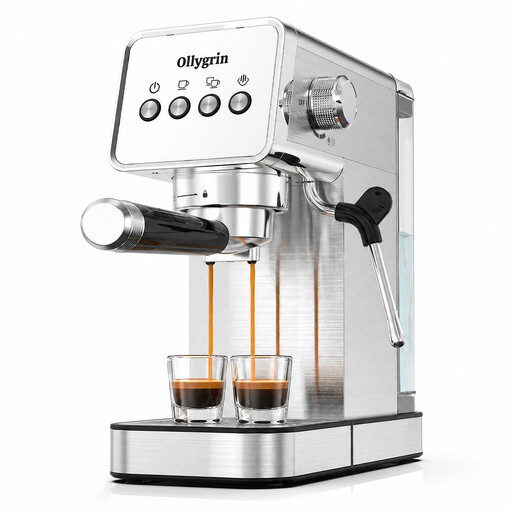
Why this choice suits this profile : this machine brings together the useful features you need to get started at home: a pump rated at 20 bars, a steam wand, and removable water tank and drip tray.
The removable components make everyday filling and cleaning easier. The stated pressure is presented as a pump specification, rather than a promise of results on its own.
Pump rated at 20 bars, steam wand, removable water tank and removable drip tray. Its design is described as compact for a domestic worktop.
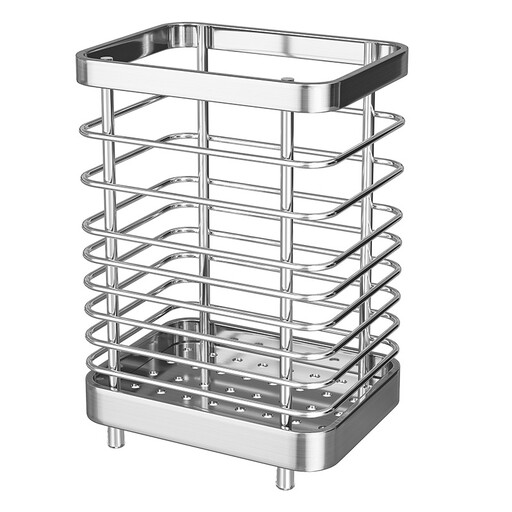
Why this choice suits this profile : to keep your coffee corner immaculate, this 304 stainless steel utensil holder can accommodate spoons, dosing accessories and small tools close to the machine.
Its open design and removable lower tray make draining and cleaning easier. This prevents accessories from being left soaking on the worktop.
304 stainless steel, dimensions of 10 × 7.5 × 15 cm, ventilation on four sides and raised rubber feet.
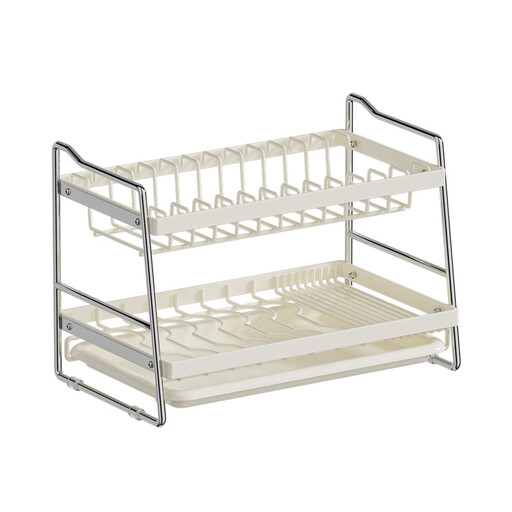
Why this choice suits this profile : users who prepare espresso and milk-based drinks one after another will appreciate a separate drying area for cups, jugs and accessories washed several times a day.
Its two levels and integrated drainboards prevent wet dishes from piling up around the machine. This helps keep your coffee corner tidy, even when it is used several times a day.
Stated dimensions of 40 × 23.6 × 28.7 cm, two-tier storage, integrated drainboards and a freestanding design with no attachment to the sink.
We have brought together a complete, real-time updated selection of products that meet these strict selection criteria and European safety requirements.
Before using the machine for the first time, rinse the tank, then run water through it without coffee, as instructed in the manual. Place the machine on a flat surface near a suitable socket, leaving enough room to handle the steam wand.
To keep it working properly every day:
Running costs mainly depend on the coffee, milk, water and cleaning products. A manual espresso machine can sometimes reduce the need for specialist consumables, but it requires more hands-on operation than a fully automatic appliance.
Yes, provided you are prepared to make a few manual adjustments. The stated pressure relates to the pump; the result in the cup also depends on the grind, dose, tamping and extraction time. To get started properly, it is best to use a consistent grind and follow the instructions supplied with the machine.
It depends on how often it is used, the quality of the water, whether cleaning cycles are followed and whether spare parts or accessories are available. Before buying, check the manual, warranty terms and information provided by the seller.
A steam wand is useful if you want to texture the milk yourself. It gives you precise control, but requires some practice and must be cleaned after every use. If simplicity is your priority, compare models with an automatic system, provided this feature is clearly stated on the product page.