
Livraison le jour même ou le lendemain

Qualité garantie

Débloquez vos offres de bienvenue: Livraison GRATUITE | Jusqu'à -80 % | 30 jours d'essai gratuits à JoyPlus
Téléchargez l'application
From summer sun to the first autumn snows, tackling all four seasons requires a shelter that is both reliable and versatile. For hiking and bivouacking enthusiasts, choosing a 2-person 4-season tent is a serious decision. It's what will protect you from the elements, all while maintaining the smallest possible footprint in your backpack.
In this guide, we break down the essential criteria and present a selection of field-tested models. Our goal: to help you find the perfect companion for your next adventures, all without the unnecessary marketing jargon.
Before jumping into specific models, let's review the technical features that define a great all-around tent.
A waterproof and UV-resistant tent is the cornerstone of any successful trip. A fabric's waterproof rating is measured in Schmerber (or mm of water column). For 4-season use, aim for a minimum of 2000?mm for the rainfly and 3000?mm for the groundsheet: this is the threshold required to withstand heavy downpours without any unpleasant surprises. Materials like polyurethane (PU) coated polyester offer an excellent balance of durability and protection. As for UV protection (UPF rating), it's crucial for preventing premature wear and tear from the sun and, of course, for protecting your skin.
For a 2-person hiking tent or a trekking tent, every gram counts. An ultralight tent generally weighs less than 2?kg. This feather-light weight is achieved by using technical materials, such as aluminium poles and low-denier polyester or nylon fabrics. Be aware, however, that a minimalist weight can sometimes mean less robustness. The challenge is to find the right balance based on the intensity of your adventures.
A 4-season backpacking tent must be able to withstand wind and, if possible, a light snow load. Dome or geodesic structures, with their multiple intersecting poles, are renowned for their stability. Livability is another key point: a vestibule (the storage space between the inner tent and the rainfly) quickly proves indispensable for stowing backpacks and wet gear. Finally, good ventilation is crucial for minimising condensation, the sworn enemy of cold nights.
Now, let's move on to our selection of models that caught our eye. Whether you're a seasoned hiker or a casual camper looking for comfort, you're sure to find what you're looking for.
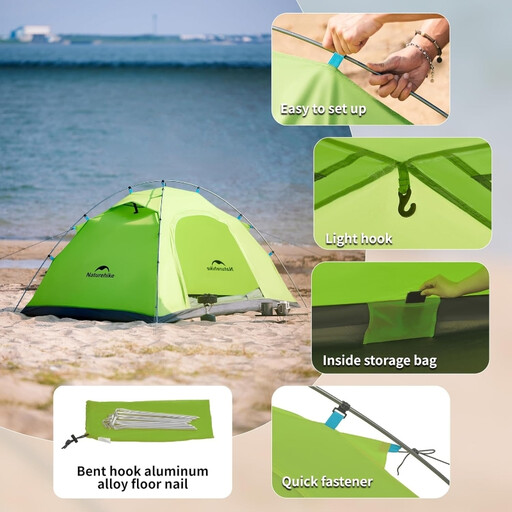
Why It Stands Out
The NatureHike P-Series tent is a top-tier choice for hikers who count every gram. Weighing in at just 1.65?kg, it borders on the ultralight tent category while remaining ready for 4-season use. Its polyester construction with specialised coatings ensures an excellent barrier against rain and UV rays.
Advantages
Who is it for?
For solo or duo hikers and trekkers seeking the best weight-to-performance ratio for their mountain expeditions and long-distance journeys.
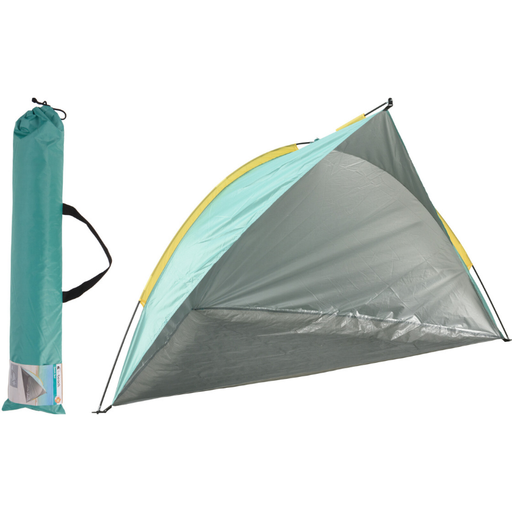
Why It Stands Out
Note: this is a complete change of pace. This model is not a 4-season tent, but a highly specific and relevant solution. Its killer feature? UPF 50+ sun protection from a silver-coated lining, designed to create a cool oasis in direct sunlight.
Advantages
Who is it for?
For anyone needing a temporary shelter for the beach, festivals, or naps in the park during the warmer months. To be clear: this is not a backpacking tent, but an excellent shield against the sun and a light breeze.
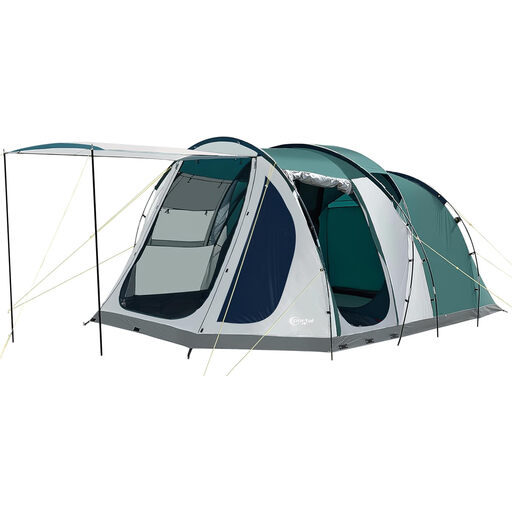
Why It Stands Out
Yes, it's a 5-person tent, but imagine it as a luxury suite for a duo who refuses to choose between adventure and comfort. Its tunnel structure offers a sleeping area of over 7?m? and a genuine living area of nearly 6?m?. That's enough room to store all your gear, cook, or simply take shelter without feeling cramped when the weather acts up.
Advantages
Who is it for?
For couples who go car camping or set up a base camp for several days, and for whom comfort is more important than weight. It's also an excellent choice for young families.
Are dome or tunnel tents not your style? If you're looking to go off the beaten path, other formats exist. Tipi tents, for example, combine impressive headroom with an unmistakable look.
For a different kind of camping experience, discover our selection of adult tipi camping tents and find a shelter that blends style with functionality.
A 3-season tent is optimised for spring, summer, and autumn, prioritising ventilation with large mesh panels. A 4-season, or "all-season," tent focuses on robustness: thicker materials, reinforced poles, and less mesh to better insulate against the cold, withstand strong winds, and support a light snow load.
Weight is a very personal criterion. Here are a few benchmarks:
To extend your tent's lifespan, a few simple habits can make all the difference. After each trip, let it dry completely before storing it to prevent mould and mildew. For stains, a sponge, warm water, and mild soap are sufficient. Never use a washing machine or dryer, as they would be fatal to the fabric. Finally, store it in a dry place, away from direct sunlight.