People who cook a very large quantity in one go
You’re looking for around 1 kg of pre-made sauce in a single container. Before planning your menu around this size, check the ordering options, packaging and storage requirements.


If you need a single pack containing exactly 1 kg of ready-to-use pasta sauce, first check that the product is available to the public and that its storage requirements suit your plans. For several meals, combining jars of cooked sauce saves you from having to find this exact size. Starting with a tomato base gives you more scope to tailor the recipe, but requires extra ingredients and preparation.
You’re looking for around 1 kg of pre-made sauce in a single container. Before planning your menu around this size, check the ordering options, packaging and storage requirements.
You’d rather use ready-made sauce and don’t mind combining several jars in standard sizes. This lets you plan the amount you need for your dishes without requiring a 1 kg container.
You start with a tomato base, then choose herbs, vegetables and other ingredients to suit the meals you’re preparing in advance. You’ll also need to allow time to finish the recipe.
First decide whether you need a ready-made sauce or a base to build on, then check the net weight and storage requirements. Carrefour and E.Leclerc, for example, list sauces in sizes under 1 kg, while MFS France and Coup de Pates list 1 kg bolognese sauces through suppliers whose ordering terms you should check before buying.
| Criteria | What to check | Who is it for? |
|---|---|---|
| A 1 kg container | Confirm the net weight is 1,000 g, that the sauce is ready to use, and check the ordering and storage requirements. | If I’m cooking a large quantity in one go, I want to avoid combining several containers, as long as I can use and store the product as instructed. Around 38% of consumers might put this exact size at the top of their list. |
| Ready-to-use sauce in several jars | Check the recipe, the net weight of each jar and the total amount you need for your dishes. | If my aim is to prepare several meals without cooking the sauce myself, standard-sized jars work for me even if they don’t add up to exactly 1 kg. Saving time would be the priority for around 31% of consumers. |
| A tomato base to customise | Check whether you’re buying passata, purée or tomato paste rather than a cooked sauce, and allow for the ingredients your recipe needs. | If I want to make a range of dishes using a tomato base, I’m happy to add the seasoning and other ingredients myself. Customisation would come first for around 31% of consumers. |
MFS France and Coup de Pates list 1 kg bolognese sauces, but that doesn’t mean you can buy them through your usual grocery shopping channels. Their sales and storage requirements could affect your plans.
Before planning your cooking session, check whether they sell to the public, the net weight, delivery conditions and whether the product is frozen. If these requirements don’t suit you, work out how much you need using several jars.
Passata, tomato purée or tomato paste can be used to make pasta sauce, but they aren’t necessarily the finished recipe you plan to serve. Panzani, for example, describes Tomacouli Nature as a cooking base.
Read the product description and ingredients list, then allow for the extra ingredients and preparation time your menu requires.
A large quantity only makes preparation easier if you can use the product as instructed after opening. Chilling slows the growth of micro-organisms, as Anses points out, but it doesn’t replace the product’s own storage instructions.
Check the packaging before planning your portions and follow the manufacturer’s storage instructions.
Panzani describes Tomacouli Nature as a cooking base and lists sizes including 500 g and 700 g.
Barilla offers ready-to-use tomato sauces, including Sauce Tomates Cuisinées and Basilico in a 400 g size.
Carrefour search results include a 420 g tomato and basil sauce and a 680 g bolognese sauce under this brand.
E.Leclerc lists, among other products, a 420 g Turini Arrabbiata sauce and a 680 g Turini tomato purée.
A Lidl France offer dated 30 September 2026 lists a 560 g Baresa tomato sauce.
These products suit two different uses: a large-format tomato sauce for pasta, and tomato products to use in your own recipe. Their containers range from 700 g to 950 g, so check how much you need before preparing your portions.
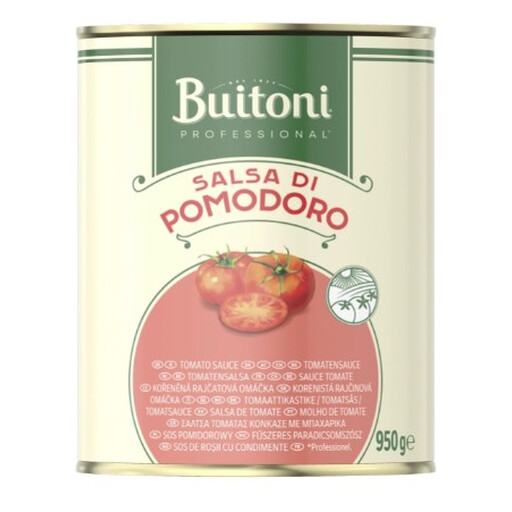 Image unavailable
Worth considering if you need tomato sauce for a large batch of pasta rather than a base to build on.
The container holds 950 g, which is less than the exact 1 kg size you’re considering. Check the storage instructions before planning portions for after opening.
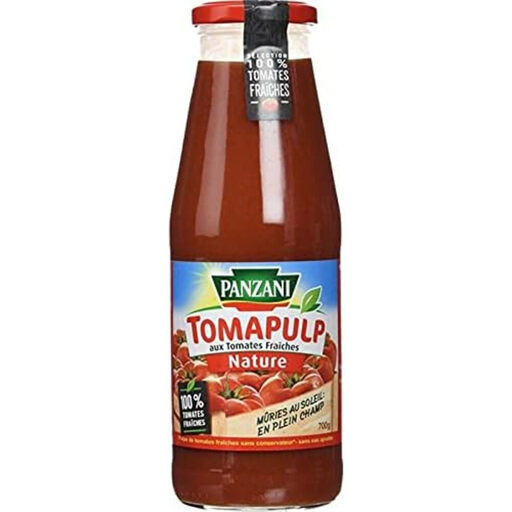 Image unavailable
Choose this tomato base if you want to season your dish to taste, rather than simply pouring in a cooked sauce.
This 700 g size is still less than 1 kg. Allow for the extra ingredients your recipe needs.
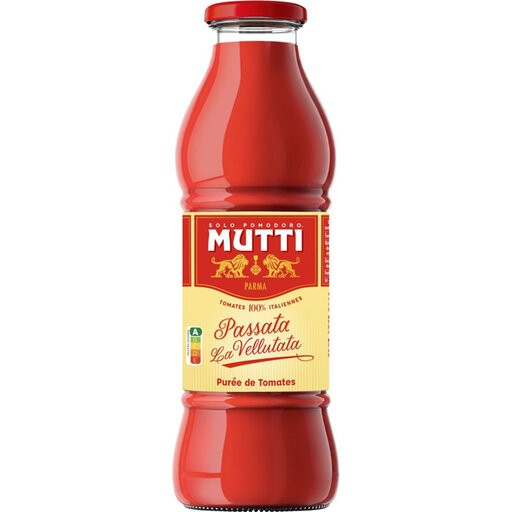 Image unavailable
This passata is suitable for making your own pasta sauce. Don’t choose it on the assumption that it’s a complete cooked sauce.
The container holds 700 g. Check what else your recipe needs and the storage instructions for after opening.
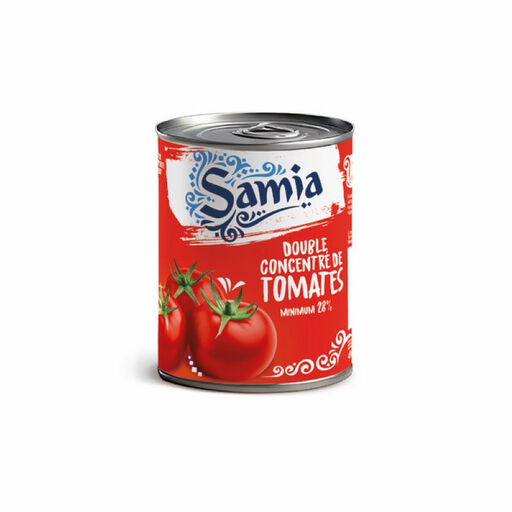 Image unavailable
This paste is for recipes where you plan to cook the sauce yourself, not for a meal that needs a ready-to-serve sauce.
The container holds 880 g, but that isn’t 1 kg of prepared sauce. Check the packaging for instructions on use and storage after opening.
Yes, MFS France and Coup de Pates list 1 kg bolognese sauces, but their availability through these suppliers doesn’t guarantee they’ll suit your usual grocery shopping. Check whether they sell to the public, as well as the packaging and storage requirements, before planning your cooking around a single container.
Not without taking the recipe into account: a tomato base is used to make a sauce, while a cooked sauce is a quicker option. Panzani, for example, describes Tomacouli as a cooking base. Check the product description to see how it’s intended to be used.
Check the product description, net quantity, ingredients, allergens and storage instructions for the exact product. The DGCCRF notes that prepacked food labels include information such as nutritional details and a relevant date. Compare the recipes rather than assuming that two tomato sauces have the same ingredients.
Always follow the instructions on the packaging first and prepare portions that suit those requirements. Anses says that chilling slows the growth of micro-organisms and recommends a temperature of 0 to +4 °C in the coldest part of the fridge. This guidance doesn’t replace the storage instructions for the sauce you’ve chosen.