
Livraison le jour même ou le lendemain

Qualité garantie

Débloquez vos offres de bienvenue: Livraison GRATUITE | Jusqu'à -80 % | 30 jours d'essai gratuits à JoyPlus
Téléchargez l'application
Looking for a 160 × 230 cm rug to define a living room, visually separate a dining area or add warmth to a bedroom? This versatile size suits many French homes, but choosing the right rug involves more than colour alone. Thickness, material, care requirements and grip underfoot all contribute to everyday comfort.
Some marketing claims also deserve closer scrutiny. Here are the most common pitfalls to avoid before ordering, along with a selection of models suited to different needs.
Colours can vary from one screen to another and depending on the room’s lighting. A steel-grey rug, for example, may appear cooler or more metallic in person. Similarly, a natural beige rug can show different nuances depending on its weave.
The material deserves just as much attention. Recycled polyester offers a soft feel and relatively straightforward everyday care, but it remains a synthetic fibre that may melt when exposed to intense heat. Jute brings a natural texture, while polypropylene is often chosen for its ability to withstand everyday use. These fibres do not feel the same, nor do they react identically to stains.
A 160 × 230 cm rug measures 1.60 m wide by 2.30 m long. In a living room, it can sit beneath the front section of a sofa and armchairs. In a dining room, it should ideally extend far enough beyond each side of the table for the chairs to remain on the rug when pulled out.
Before placing your order, measure the available area while accounting for skirting boards, doors and furniture. A rug that is too large may prevent a door from opening properly; one that is too small can look disconnected in the middle of the room without truly defining the space.
Even a non-slip rug may require a suitable underlay depending on the flooring. On varnished wood, tile or laminate, a rug placed directly on the floor may slide or develop creases.
Check the corners after unpacking and allow the rug to regain its shape while lying flat. Special rug tape or a non-slip underlay can improve stability. Also make sure the edges remain clearly visible to help minimise the risk of tripping.
For a busy living room or dining area, examine the composition and weave structure carefully. Polypropylene is valued for everyday use and good resistance to wear. Recycled polyester, when used as the main fibre, can combine a soft feel with a more circular approach to fibre reuse.
A deep-pile rug provides extra softness, but it also traps dust and crumbs more readily. Beneath a dining table, a more even surface generally makes it easier to move chairs and clean up small spills.
A rug described as washable and durable cannot necessarily be put in a washing machine. Always consult the manufacturer’s care instructions: some models should be spot-cleaned with a damp cloth and mild detergent, while deep cleaning may need to be handled by a professional.
In all cases, plan to vacuum regularly. If a stain occurs, treat it promptly, avoiding bleach or harsh products unless recommended by the manufacturer. You should also keep the rug away from an iron and direct heat sources.
An interior décor rug should complement the walls, curtains and furniture without matching them exactly. Steel grey works well in contemporary or industrial interiors. Natural shades sit particularly comfortably within Scandinavian, bohemian, coastal or Moroccan-style schemes.
For a bedroom, you can also browse our selection of neutral-toned bedroom rugs, especially if you are looking to create a soft, low-contrast atmosphere.
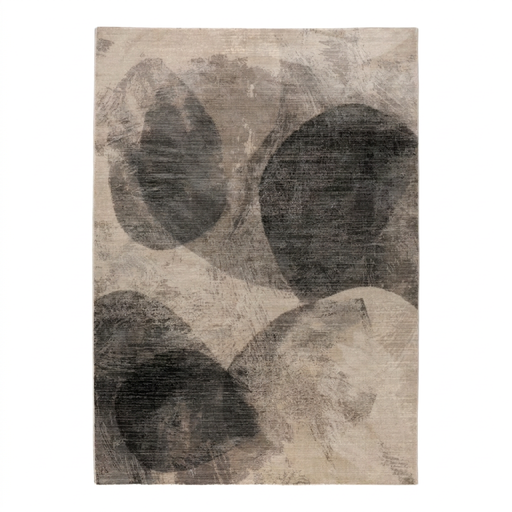
Why this model may suit you: Its size works well in a living room or dining area, while the steel-grey shade blends effortlessly into a modern interior.
The composition is clearly stated: 100% recycled polyester. The care instructions also recommend using a non-slip protector on smooth floors.
160 × 230 cm format, a weave described as wear-resistant, and straightforward care with a vacuum cleaner or damp cloth.
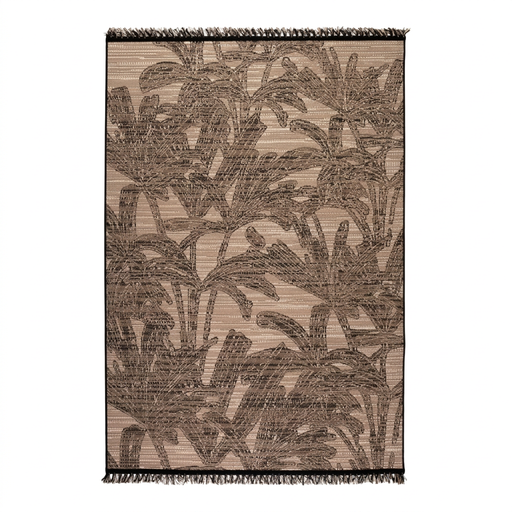
Why this model may suit you: Its natural colourway, papyrus-leaf-inspired pattern and fringed edges complement warm, bohemian interiors.
Its detailed composition makes the fibres easy to distinguish: 71% polypropylene, 22% jute and 7% polyester. This is useful when comparing its feel and care requirements with other rugs.
160 × 230 cm format, a contrasting black border, and suitability for indoor use or a sheltered, dry terrace.
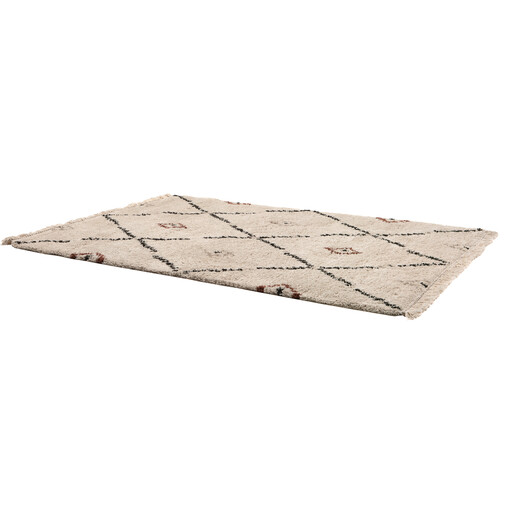
Why this model may suit you: Its compact size works well in a bedroom, reading nook or small living room, with a pattern inspired by traditional Berber rugs.
Its dimensions are clearly different from the 160 × 230 cm format, helping you avoid ordering a rug that overwhelms the room.
Polypropylene, long fibres and a natural colourway. Regular vacuuming and spot cleaning are recommended for everyday care.
We have curated an up-to-date selection of rugs suited to different styles, sizes and care requirements.
An outdoor rug should be used only in the conditions specified on its product page. A covered terrace is not exposed to the same demands as a balcony exposed to rain and sunlight.
This size generally works well in a living room or large bedroom, provided you leave a clear walkway around the rug. In a dining room, measure the area occupied by the table and pulled-out chairs to prevent their legs from catching on the edge.
Place a non-slip underlay suited to the type of flooring. It can also reduce creasing and protect the surface beneath. Check regularly that the corners remain flat, especially after unpacking or moving furniture.
Its lifespan depends on foot traffic, material, sun exposure and the quality of care. Regular vacuuming, treating stains promptly and avoiding direct heat all help preserve its appearance. In high-traffic areas, signs of wear will naturally appear sooner.