
Livraison le jour même ou le lendemain

Qualité garantie

Débloquez vos offres de bienvenue: Livraison GRATUITE | Jusqu'à -80 % | 30 jours d'essai gratuits à JoyPlus
Téléchargez l'application
Tying a stem to a stake, guiding a climbing plant along a trellis or supporting a shoot in a greenhouse may seem straightforward. But the wrong tie can mark the bark, loosen in the rain or become impossible to remove as the plant grows. Whether you’re a keen amateur gardener or grow plants regularly, 15 cm plant ties are a practical choice, as long as you check a few things before buying.
Nylon cable ties are designed to hold cables or pipes firmly in place. Their self-locking mechanism applies considerable tension, and you generally can’t loosen them without cutting them. They can therefore damage a stem or restrict its growth.
Plant support ties, on the other hand, should allow a little movement. A tie that’s too tight can pinch the stem as it thickens.
A 15 cm tie doesn’t necessarily fit around something with a diameter of 15 cm. Some of its length is needed to go around the stem and support — such as a stake, wire, hoop or trellis. So be sure to consider the combined diameter of the plant and its support.
Whether you can reuse a tie depends on its material, how much tension it’s been under and its condition after a season’s use. A flexible tie can be repositioned several times, but you should check it before each use. If it’s cracked, misshapen or brittle, it’s best to replace it.
For young plants, tomato stems, rose bushes and climbing plants, choose a tie that supports the plant without constricting it. Green plant ties blend discreetly into the foliage and work just as well in the garden as they do for houseplants.
When fitting a tie, loop it around the support and stem without pulling it tight. Leave enough room for the plant to grow, then check the tie regularly.
The 15 cm size is a practical option for small and medium-sized stems. A pack of 26 ties may be enough for a few potted plants, a row of seedlings or a small greenhouse. If you’re growing more, compare the number of support points you’ll need with the quantity in the pack.
Support ties should also be easy to reposition. That way, you can move a stem to a new support point without restricting it.
The product description should say whether the tie can withstand moisture, temperature changes and outdoor use. For permanent installations, check the ties regularly, especially after strong winds or frost.
Greenhouse ties, ties for stems and climbing plants, and plant supports don’t all serve the same purpose. A flexible tie is suitable for guiding a plant; a long length of cord is better for made-to-measure installations; and a self-locking cable tie is more suited to permanently securing non-living materials.
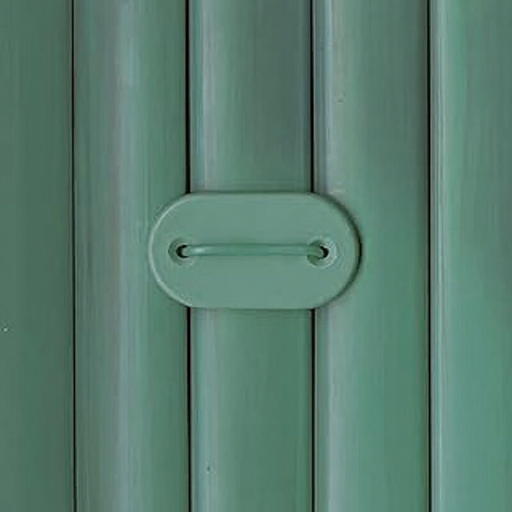
Why this is a good fit: This pack of 26 green ties is easy to use with potted plants, small vegetable gardens and your first staking projects.
The product is described as flexible and adjustable, unlike a self-locking cable tie designed to stay in place. You should still avoid tying it too tightly around the stem.
15 cm long, discreet green colour, 26 ties per pack and the option to reposition them, depending on their condition.
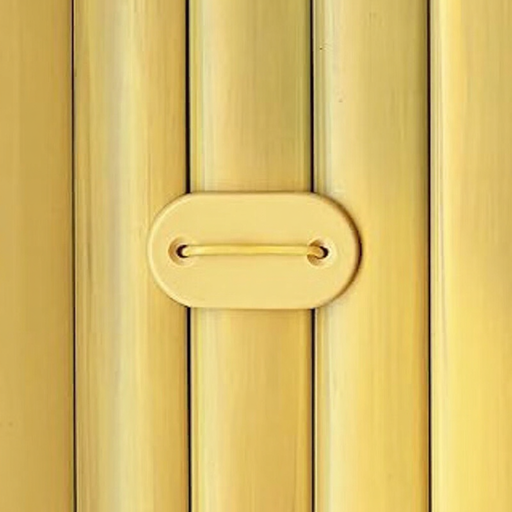
Why this is a good fit: Their natural colour blends in with stakes, shrubs and trellises, making them a good choice when the look of your setup matters as much as the support it provides.
The synthetic material, designed to look like bamboo, won’t rot like some natural ties, while still offering a degree of flexibility.
15 cm long, natural colour, 26 ties per pack and designed to support vines, shrubs and young plants.
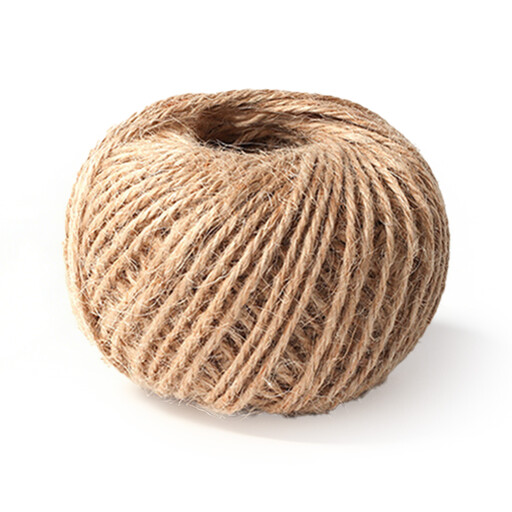
Why this is a good fit: This roll is suitable for larger setups and made-to-measure trellises, and for anyone who prefers to cut each tie to the length they need.
The 50 m length means you won’t need to buy lots of smaller packs. However, this natural fibre should be kept dry and may not always be a substitute for a ready-made plant tie.
A 50 m roll, 2 mm diameter, easy to cut to your preferred length and plenty of uses for climbing plants, weaving or trellises.
We’ve put together a comprehensive, regularly updated selection of products that meet these strict selection criteria and European safety requirements.
Loop it around the stem and stake, leaving a little space. The tie should support the plant without holding it completely rigid. Check the stem’s diameter regularly and loosen or reposition the tie as soon as it becomes too tight.
It depends on the material, exposure to rain and how quickly the plant is growing. A flexible tie can stay in place for several weeks or longer, but regular checks are still essential. Replace any tie that’s cracked or has lost its flexibility.
Some can be reused if they’re clean, flexible and undamaged. However, this doesn’t apply to every type. After removing a tie, check its condition and don’t reuse one that’s been stretched significantly.