
当日/次日达

品质保障

开启新人专享福利: 全场免邮 | 低至 2 折 | 免费试用 30 天 JoyPlus 会员
下载 Joybuy
15 cm plant ties might seem simple to choose. Yet a few small details can turn a practical purchase into an unusable accessory. A tie that is too rigid can mark the stem, while a tie that is too short or poorly sized can come loose as soon as the plant gains volume.
Whether for a vegetable patch, a greenhouse, a trellis or a few shrubs in the garden, here are the criteria to consider before buying plant ties for staking.
A tie should hold the stem against its support without strangling it. A plant continues to grow and its diameter changes over the weeks. A tie placed too close to the stem can create localised pressure and hinder its development.
Choose flexible garden ties that are easy to adjust and reposition. When applying, leave a slight gap between the tie and the stem, especially with young plants, roses and climbing plants.
A highly visible tie can spoil the look of a flower bed. Conversely, a material that seems strong but lacks flexibility risks damaging the bark or snapping a fragile stem.
Green generally blends well with foliage and garden canes. A natural colour will be more discreet on a cane, a wooden trellis or around young shrubs. However, the stated strength should not make you forget the flexibility of the material.
A small pack may be enough for a potted plant, but can quickly become insufficient for a row of tomatoes, a green wall or several climbing plants. Before ordering, count the fixing points you need: one tie at the base, another in the middle and, if necessary, a third near the tip to guide.
A pack of 26 ties of 15 cm is a practical size for occasional jobs as well as regular maintenance of a small garden.
A length of 15 cm is suitable for fixing stems, shoots and small climbing plants to canes, wires or trellises. It is usually enough to go around the stem and its support without forming a bulky loop.
For thick branches or two stems tied together, first measure the total diameter to be held. A tie that is too short risks applying excessive tension or not closing properly.
For reusable plant ties, look for a flexible material that can withstand repeated handling and outdoor moisture. Product descriptions sometimes mention a synthetic material without specifying its exact composition. In that case, focus mainly on the intended uses, the flexibility of the tie and the manufacturer's instructions.
Garden ties should not behave like rigid fasteners. Their role is to guide the plant, not to compress it.
Staking ties should be able to be installed by hand, without any specialist tools. This simplicity makes adjustments easier after a period of growth, especially in a greenhouse or on a balcony where plants are regularly checked.
Inspect the fixing points after a spell of wind, rain or rapid growth. Replace any tie that is deformed or damaged, and avoid leaving a tie tight for a long period without checking it.
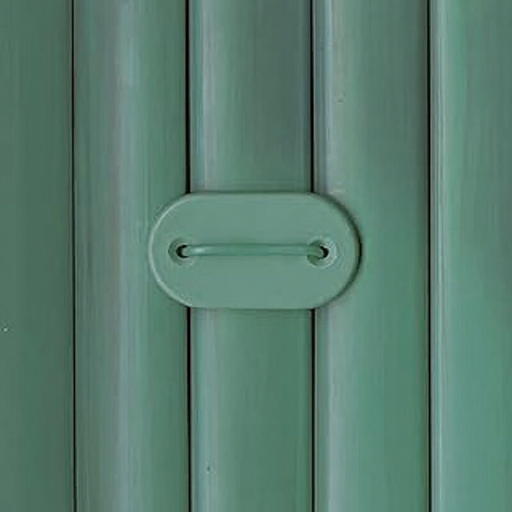
Why this choice suits this profile: this pack of 26 pieces is ideal for first staking jobs in a vegetable patch, on a balcony or in a small greenhouse.
The 15 cm format limits bulk and the green colour blends more easily among leaves and supports.
26 ties; flexible material suitable for stems, vines and climbing plants; can be repositioned depending on the condition of the tie.
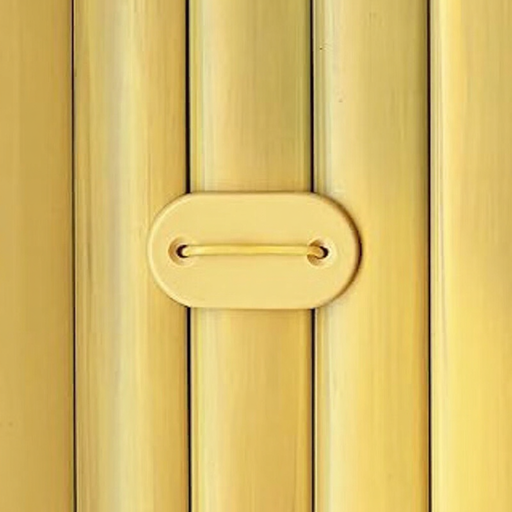
Why this choice suits this profile: the natural shade is ideal for decorative gardens, canes and wooden structures where visual discretion is a priority.
The synthetic material mimics the look of cane while avoiding the rotting of a plant-based material exposed to moisture.
26 pieces of 15 cm; natural colour; intended for use on canes, trellises and frames; hold described as sufficiently flexible for stems.
Why this choice suits this profile: gardeners who often move their plants or maintain several canes can adjust the ties as growth progresses.
The stated ability to adjust or reposition the ties prevents a tie from remaining too tight during growth.
15 cm format; pack of 26; use in the garden, greenhouse or for indoor arrangements; hand-fitted, no professional installation required.
For ties intended for climbing plants, spread out the support points instead of concentrating all the weight on a single tie. This way, the plant can progress better along the trellis, with less tension after a windy spell.
This size is particularly suitable for young plants, thin stems, climbing plants and small shrubs. However, measure the stem and the support before buying to make sure the loop will not be too tight.
The models shown are described as adjustable and reusable, provided they are still in good condition. Clean them if necessary, inspect them before each new installation and set aside any piece that is cracked, hardened or deformed.
During a period of active growth, a check every one to two weeks is generally sufficient. After heavy rain or a windy spell, also check that the cane is secure and that the tie is not compressing the stem.