
Livraison le jour même ou le lendemain

Qualité garantie

Débloquez vos offres de bienvenue: Livraison GRATUITE | Jusqu'à -80 % | 30 jours d'essai gratuits à JoyPlus
Téléchargez l'application
A quality mattress is a valuable investment in your sleep. Protecting it from everyday spills, perspiration, allergens, and premature wear and tear is therefore essential. This is where the 135x200 waterproof mattress protector comes in: a simple and remarkably effective solution to ensure the hygiene and longevity of your bedding, whether for a child's bed, to combat allergies, or simply to maintain impeccable cleanliness.
This guide breaks down the essential criteria and presents a selection of reliable products, without the unnecessary marketing jargon.
To find the perfect one, a few technical points should be examined closely. Here are the key criteria to check before you buy.
Its primary mission: to create a barrier against liquids. The most effective models rely on a thin polyurethane (TPU) membrane, which is both 100% waterproof and silent. However, a good waterproof sheet shouldn't turn your bed into a sauna. Opt for a breathable mattress protector that allows air to circulate, wicking away body moisture. Say goodbye to overheating and hello to comfortable sleep. Surface materials, like cotton or soft microfibres, also play a key role in this comfort.
The fastening system is crucial for your night-time comfort. There are two main formats:
Hygiene is non-negotiable. Make sure your model is machine washable, ideally at 40°C or 60°C to effectively eliminate bacteria and dust mites. Some models offer specific anti-dust mite and stain-resistant treatments, a real bonus for allergy sufferers or families with young children. Durability is also a factor: a good product must withstand repeated washing without losing its waterproof properties.
To put theory into practice, here is our selection of three models that stood out to us in the 135x200 cm size.

Why it stands out: This model successfully combines flawless waterproof protection with the comfort of a quilted surface. Its deep-pocket fitted sheet design guarantees an impeccable hold.
Benefits:
Who is it for? Ideal for those who demand reliable protection without compromising on comfort, and who prefer the stability of a perfectly adjusted fitted sheet.
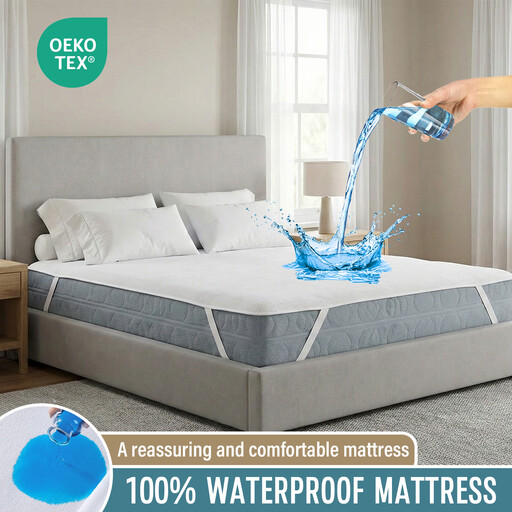
Why it stands out: This flat-style model focuses on simple installation and discretion. Its soft microfibre surface and breathable membrane guarantee a peaceful night's sleep.
Benefits:
Who is it for? The perfect solution for those who want a mattress protection cover that is ultra-quick to install, ideal for occasional use (guest bed, holiday rental) or for fans of simplicity.
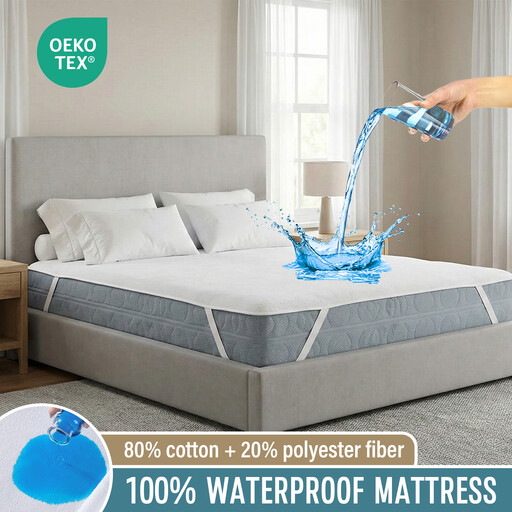
Why it stands out: This model blends the natural softness of cotton with the technical performance of a waterproof and breathable membrane. The ideal compromise for those who swear by the feel of natural materials.
Benefits:
Who is it for? Recommended for cotton lovers looking for stain-resistant and waterproof protection without sacrificing breathability.
If these models don't check all your boxes, or if you want to explore other sizes and materials, feel free to browse our complete collection. You're sure to find the ideal protection for your bedding.
Discover our full range of bedding accessories
1. What is the difference between a mattress protector and a mattress pad? In common usage, these two terms are often interchangeable. Historically, a waterproof pad was a simple flat sheet placed on the mattress, whereas a mattress protector could already have a fitted-sheet design. Today, the distinction has blurred. The key is to focus on the format (flat vs. fitted) and the technical features (waterproof, breathable) that meet your needs.
2. Is a waterproof mattress protector noisy or hot? This is a legitimate concern, a holdover from older generations of noisy, plasticised protectors. Rest assured, current models use polyurethane (TPU) membranes that are flexible, silent, and designed to let air circulate. A good breathable mattress protector is completely unnoticeable: it makes no noise and helps regulate temperature to prevent night-time overheating.
3. How do I care for my mattress protector to ensure its longevity? To preserve all its qualities, a first wash before use is recommended. Afterwards, a machine wash every one to two months is sufficient for regular use. Always refer to the care label. Opt for air-drying or tumble-drying on a low heat setting. Bleach and ironing should be avoided, as they could irreversibly damage the waterproof membrane.