
Livraison le jour même ou le lendemain

Qualité garantie

Débloquez vos offres de bienvenue: Livraison GRATUITE | Jusqu'à -80 % | 30 jours d'essai gratuits à JoyPlus
Téléchargez l'application
In film photography, every roll is a treasure. Whether it captures a once-in-a-lifetime trip, a meticulously planned photoshoot, or precious family memories, protecting your 135mm film is non-negotiable. However, the market is flooded with solutions that seem practical but often prove disappointing in use. Choosing the right 135mm film storage case isn't just about organization; it's an investment in the longevity of your images.
Before you decide, let's review the common mistakes that can be costly and, worse, could ruin your precious shots.
Looks can be deceiving: attractive packaging can hide a mediocre product. Many photographers end up with an unsuitable accessory by trusting exaggerated marketing claims. Here are the two most common traps:
To make the right choice, focus on the features that truly matter. These few points will help you objectively evaluate the quality of a 35mm film case.
This is the crucial element for durability and protection level.
The internal layout is just as crucial as the outer shell. A good analog photographer's accessory must be functional.
Different photographers have different needs. We have selected products that meet specific user profiles, based on the quality and functionality criteria we've just discussed.
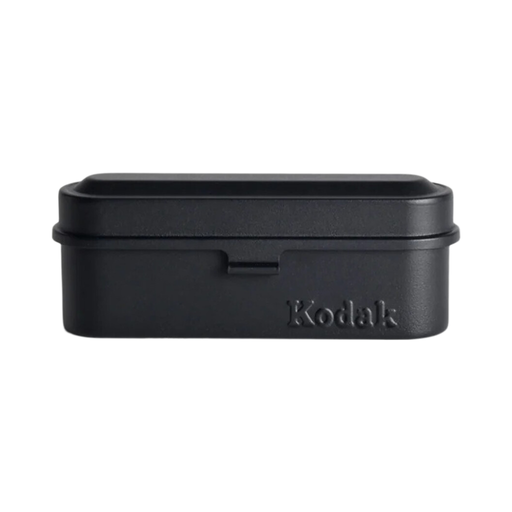
Why we chose it: Perfect for the adventurer. Its compact, lightweight design slides into any camera bag without adding bulk, while securely protecting five 35mm film rolls. The ideal capacity for a day of shooting.
Its steel shell absorbs impacts and resists crushing, where low-grade plastics would crack. Inside, each roll is held snugly in place, preventing them from knocking against each other.
Robust metal protection in a featherlight design, perfect for daily transport.
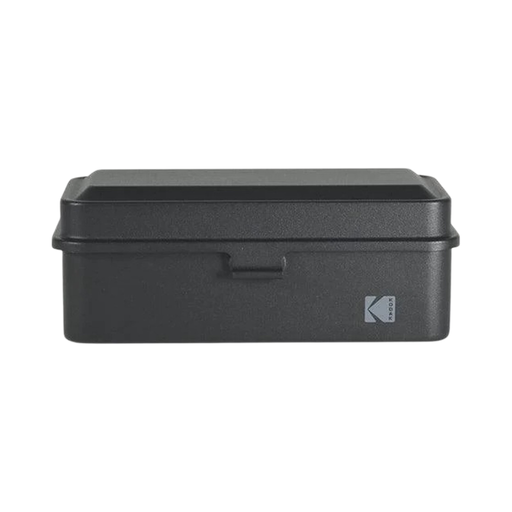
Why we chose it: The perfect companion for photographers who juggle medium format (120) and 35mm (135). This case offers an all-in-one solution for safely storing or transporting different film formats.
Its modular internal layout accommodates both formats without any movement, solving the problem of poorly designed interiors. The metal construction guarantees bombproof physical protection.
The versatility to store both 120 and 135mm film in a single, armored case.
Why we chose it: For those who love to combine function with style and want a visual organization system. The different colors (red, yellow, blue...) allow you to assign a case to a specific film type (e.g., B&W, color, high ISO).
It offers the same metal protection as the black model but with the added benefit of organization. No more opening every case to check its contents.
Color-coding for instant visual organization of your different film stocks.
We have curated a complete selection of products that meet our standards for quality and protection.
1. How can I best store my film, even inside a case? Even with a good case, storage conditions are crucial. Keep it in a cool, dry place away from direct sunlight. For long-term storage, the refrigerator is an excellent option, provided the case is sealed tightly to prevent condensation.
2. Is a metal case really necessary? For storage at home in a controlled environment, a good plastic case may suffice. However, for travel, commuting, or if your film lives at the bottom of your bag, a metal case offers far superior protection against impacts, crushing, and even airport X-rays (though a hand check is still recommended for high-ISO films).
3. Can I take my film through airport security? Yes. Always keep your film and its case in your carry-on luggage, never in checked baggage where the scanners are much more powerful. For film up to 800 ISO, modern cabin scanners are generally safe. However, you are entitled to request a manual inspection to eliminate any risk, especially with professional or highly sensitive films. A dedicated case also makes this request simpler and faster for security agents.