
Livraison le jour même ou le lendemain

Qualité garantie

Débloquez vos offres de bienvenue: Livraison GRATUITE | Jusqu'à -80 % | 30 jours d'essai gratuits à JoyPlus
Téléchargez l'application
Whether you're in a motorhome, a converted van, or at an off-grid location, a reliable 220V power source is simply essential. But be warned: not all inverters are created equal, especially when it comes to powering delicate electronics. In this case, a 12V to 220V pure sine wave inverter is the safest and most reliable solution.
This guide will walk you through the key criteria and present our selection of the best models to help you find the perfect unit, without getting lost in technical jargon.
Before you dive in, here are a few key points to understand to make an informed decision.
This is THE number one criterion. You need to distinguish between two values:
For example, a 2000W nominal power inverter can easily run a laptop, a small coffee maker, and a phone charger, all while keeping a power reserve for starting up a small fridge.
A pure sine wave inverter produces an alternating current (AC) that is as clean and stable as the power from your wall outlet at home. This "pure" wave is vital for:
Trying to use a cheaper modified sine wave inverter with this type of equipment means you risk malfunctions, electrical noise, or even permanently damaging your gear. For a motorhome inverter or professional mobile use, pure sine wave isn't an option—it's a lifeline for your devices.
A good 12V to 220V transformer must include multiple safety features to protect not only your devices but also your battery. Make sure it includes protection against:
These safety features guarantee hassle-free operation, whether you need 220V power in your car or are using a truck inverter.
Here are a few models that caught our eye, selected for their technical specs and relevance for modern nomads.
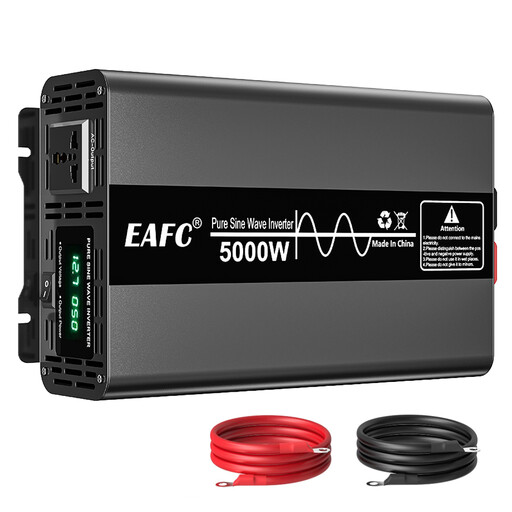
Why It Stands Out With 2500W of nominal power and a 5000W peak, this powerhouse is built for the most demanding setups. It can handle the startup of powerful motors (refrigerators, air conditioners, construction tools) while simultaneously powering multiple sensitive devices.
Pros
Who Is It For? Owners of large motorhomes, tradespeople who need power on job sites, and anyone looking for a no-compromise off-grid inverter solution.
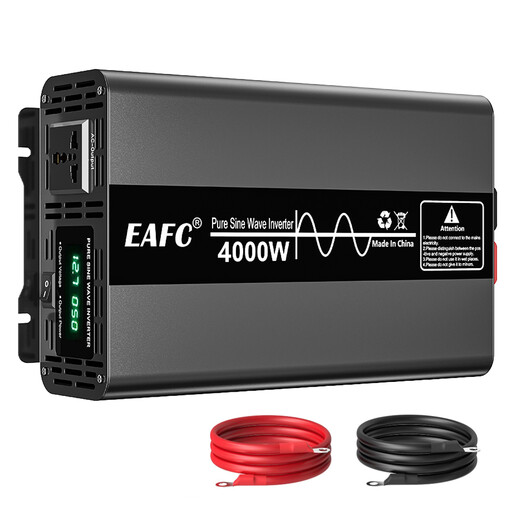
Why It Stands Out This model is the perfect balance of power and versatility. Its 2000W nominal output makes it a highly sought-after standard, capable of covering the vast majority of needs in a motorhome or van.
Pros
Who Is It For? Van-lifers, motorhome owners, and truck drivers looking for a reliable and versatile 2000W power inverter for daily use.
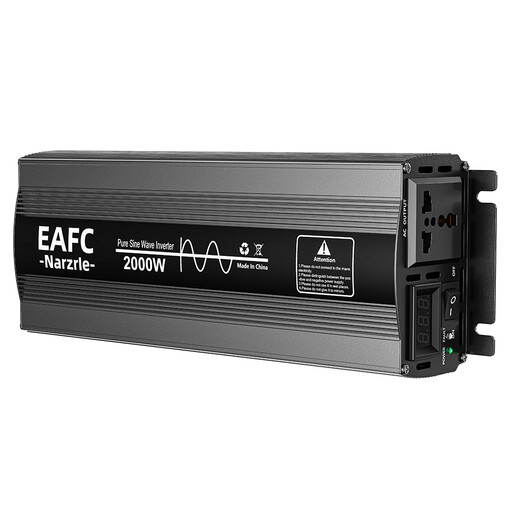
Why It Stands Out Compact and efficient, this 1000W nominal inverter is the ideal solution for moderate power needs. It's perfect for powering the essentials without oversizing your setup.
Pros
Who Is It For? Van travellers, weekend adventurers, and anyone who needs 220V power in their car to charge a laptop, a drone, or use a small kitchen appliance.
Does your setup have specific requirements, or do you simply want to explore more options? Take a look at our full range of equipment for off-grid power.
Discover All Our Motorhome Accessories
A pure sine wave inverter is compatible with almost all 220V appliances, as long as you respect its nominal power rating. This includes: laptops, TVs, consoles, camera and drone chargers, small fridges, pod coffee makers, power tools, and even some medical devices (always remember to verify compatibility).
It all comes down to the quality of the generated current. Pure sine wave generates a perfect waveform, identical to the one from your home outlet, making it safe for all devices. A quasi-sine (or modified sine) wave inverter generates a "stepped" wave, which is much harsher on electronic circuits. It's cheaper but strongly discouraged for sensitive devices, motors, and certain chargers, as it can damage them or drastically reduce their lifespan.
It's simple: add up the wattage (found on each device's label) of everything you want to run at the same time. Give yourself some headroom: choose an inverter with a nominal power rating that is at least 20% higher than this total. This is your safety margin. For motor-driven appliances, also check that the inverter's peak power is high enough to handle their startup surge.